

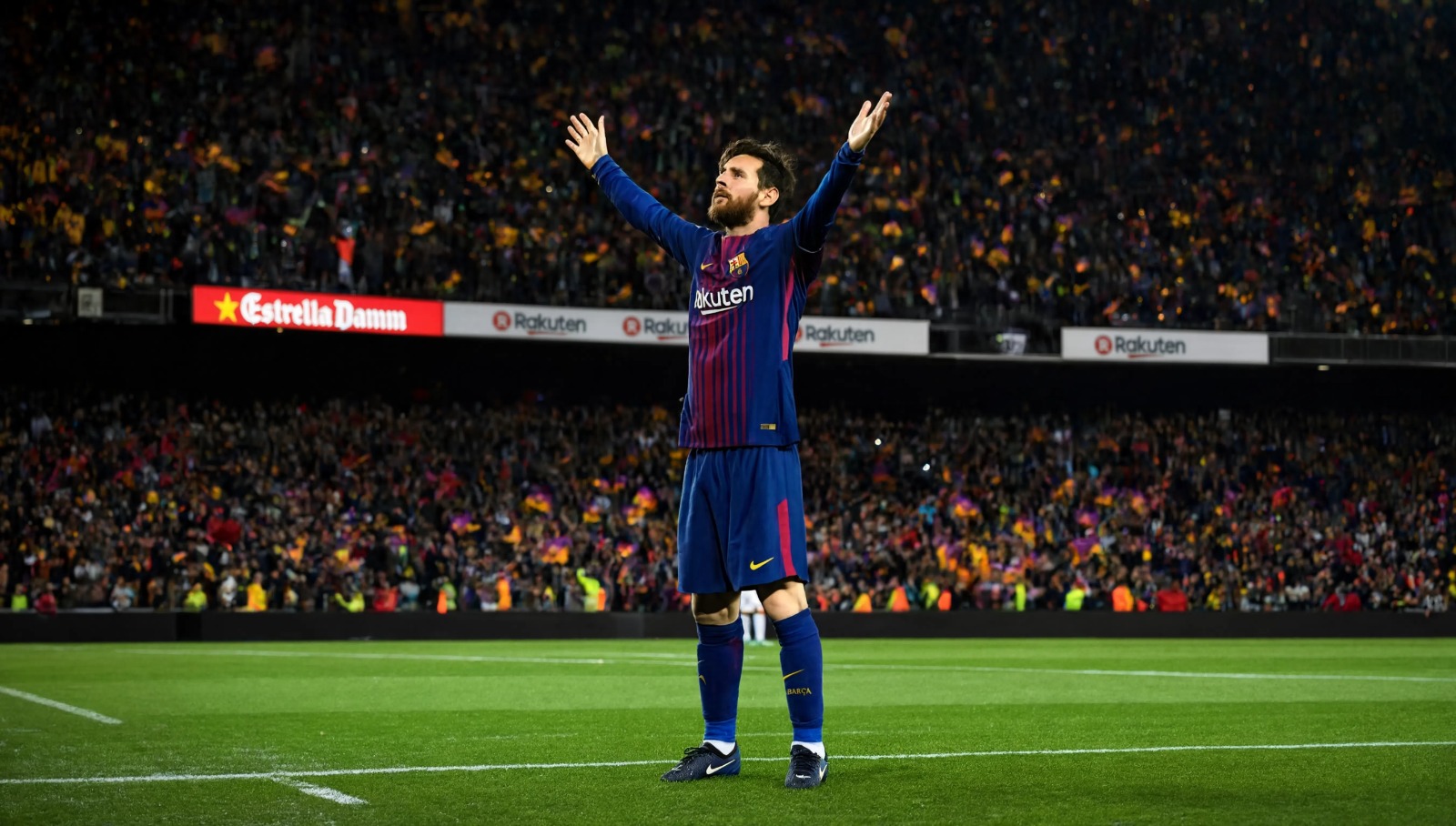
Some of the athletes also retire in a graceful manner. They retire just when they are supposed to, and when they do so, the world cheers. Then there is Lionel Messi, a fellow with it all, with everything proved, and with still something to go. The only player to have attended 6 world cups. Still hungry in his stomach, still something to pursue, something we can scarcely imagine. He enters into a sixth World Cup at the age of 38. Not that he needs to. Since he desires to. And there is nothing like that to tell you all about him, better than any trophy or record.
The Burden of a Sixth World Cup
A majority of the footballers do not even attend one World Cup. Messi will have lunch at six. He is not only the first man to ever play in half a dozen World Cups when he, playing as an Argentine, takes the field at Arrowhead Stadium on June 16 versus Algeria. Twenty years. Six tournaments. One man. The size of it is almost unbelievable.
His first appearance was at the age of 18 in 2006. At this point, he is 38 and is 39 when the tournament occurs itself and remains top of the list of names on the team sheet. The history of World Cup football does not tell the story of another player who has been as relevant in twenty years of the sport’s history. Not Pelé. Not Ronaldo. Nobody.
The Records Are Within Touching Distance
Messi has 13 goals in the World Cup – the fourth highest in the list of all time. The record, which was set by a German, Miroslav Klose, is 16. Messi is three short of the most historic personal milestone in football history. Unless Argentina fail miserably in this tournament, which they are not among the five hundred favourites to do of all things, it is not just possible, but likely, that they will score three goals. They are likely.
With already 26 appearances in the World Cup, he has broken the record of the most appearances in the World Cup. Most minutes played. The only player who has been scoring in all the rounds of the tournament. The records are no longer the thing, however– but they put into perspective the extent to which the canvas of this tournament might be extraordinary to him.
The May to the Graspers: Two in One
None of the World Cup champions since Brazil in 1958 and 1962 has won consecutive World Cups. Argentina come to North America with a winning streak. In 2021, they were the winners of the Copa América. They were the World Cup champions in Qatar 2022. In 2024, they will become champions of the Copa América once again. Three back-to-back world championships. The type of run which is discussed with the same words as the great Brazilian teams of the 1950s and 1960s. They would like a fourth now. The two World Cups back-to-back is what they desire at this point; something not accomplished by any country within sixty years.
The mainstay of the Qatar team is restored. On goal Emiliano Martínez. In the middle, Enzo Fernández. Julián Alvarez and Lautaro Martinez with an attack. And Messi, who has to lead it all, and is the one pulling the strings, and yet can, in moments, make the entire world stop and stare.
One Last Dance

In December 2022, the legacy was acquired in Lusail Stadium. When Messi picked up that trophy and cried upon the field and had the one thing he never had in his life to take home, the debate was over. The greatest ever of all time. No asterisk. No qualification needed.
But the best players do not cease to be desirous of winning when they are recognised. They continue, continue to insist more of themselves, continue to appear. Messi capping off a South American qualification of the World Cup as the leading goal scorer at the age of 38, as half the age of his contemporaries, is not the workings of someone taking it easy to his retirement. It is the mode of one whose business is not done.
The last scene is this. The stage is never larger than before. And Lionel Messi has never been better prepared to get hold of it once again.



Leave a Reply