

Manchester City’s way of attacking recruitment has changed alongside the economics of top-flight football. The club will not be relying on any one type of the forward to win them, but instead has also developed a forward with other profiles giving Guardiola one as well as more selections from the front of the line-ups.
The most obvious one is Finnish megastar Erling Haaland who came to City in 2022 as part of their package on the back of the activation of his €60 million release clause by Borussia Dortmund. This was to replace Sergio Agüero’s departure and the need for the club for a traditional goalscoring opener.
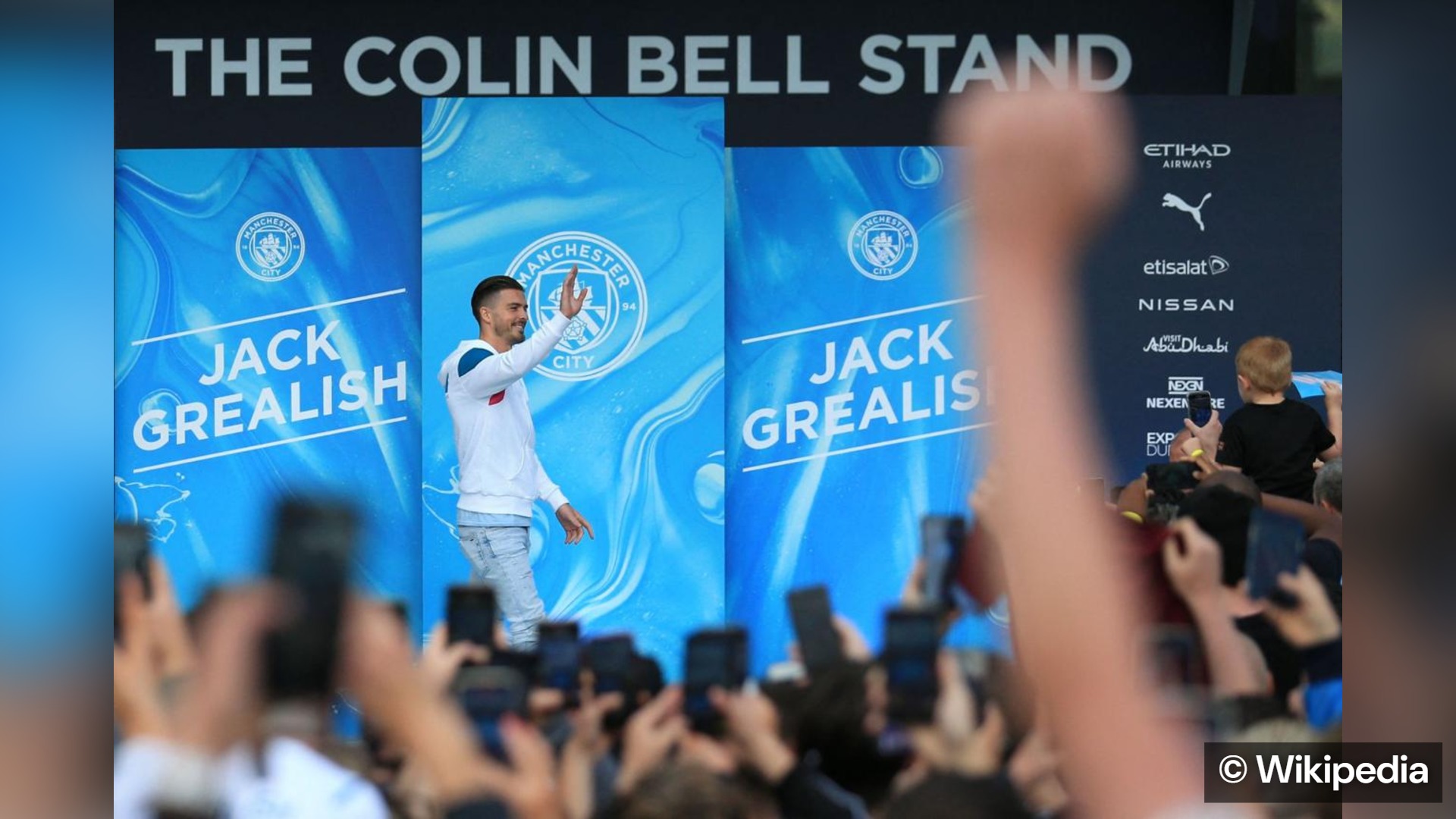
In the past, the City have been able to afford a significant investment in Jack Grealish, offering the England international a reported £100m for a move from Aston Villa in 2021. The change was an indication of the club’s willingness to go all out to acquire a known Premier League attacker with a touch of creativity and ball movement.
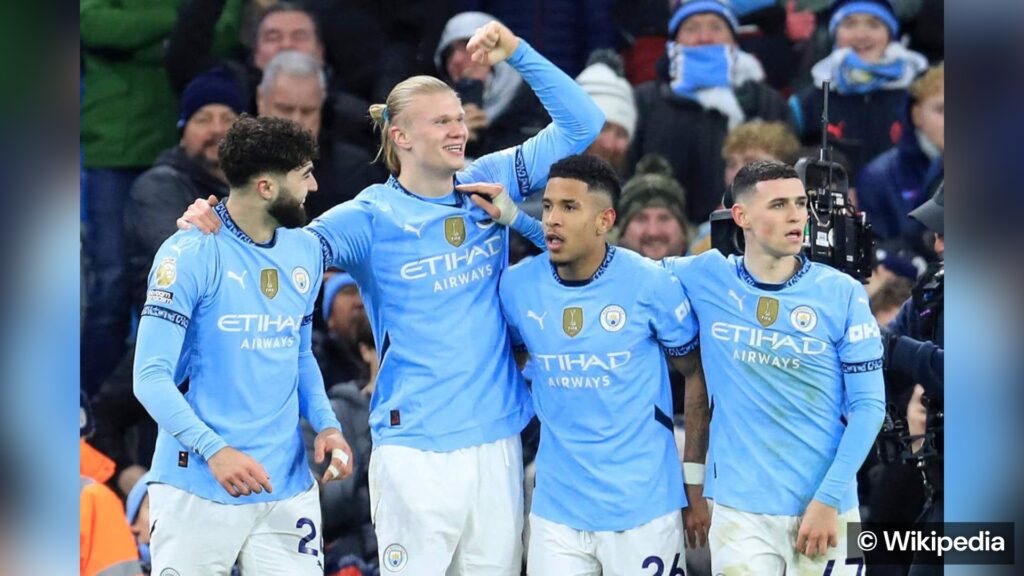
Meanwhile, City have considered some younger and more flexible forwards. Marmoush brothers Savinho and Omar are players who were brought in for their attacking ability and wither squad value. Both were reportedly on the road to exits in 2026, raising another dimension of the modern transfer strategy: recruitment doesn’t always lead to retention.
The main idea in the lesson is that high-yielding attacks on recruiting isn’t a problem of just feathers in his face. Clubs should take into account tactical utility, if the squad is to compete against other squads, player development, the resale value of the signing and how he fits in with the existing team. The Manchester City example shows how responsive the top clubs will be when the transfer market churns out assets once more in a bid to compete with the likes of Barcelona and Liverpool.











Leave a Reply