

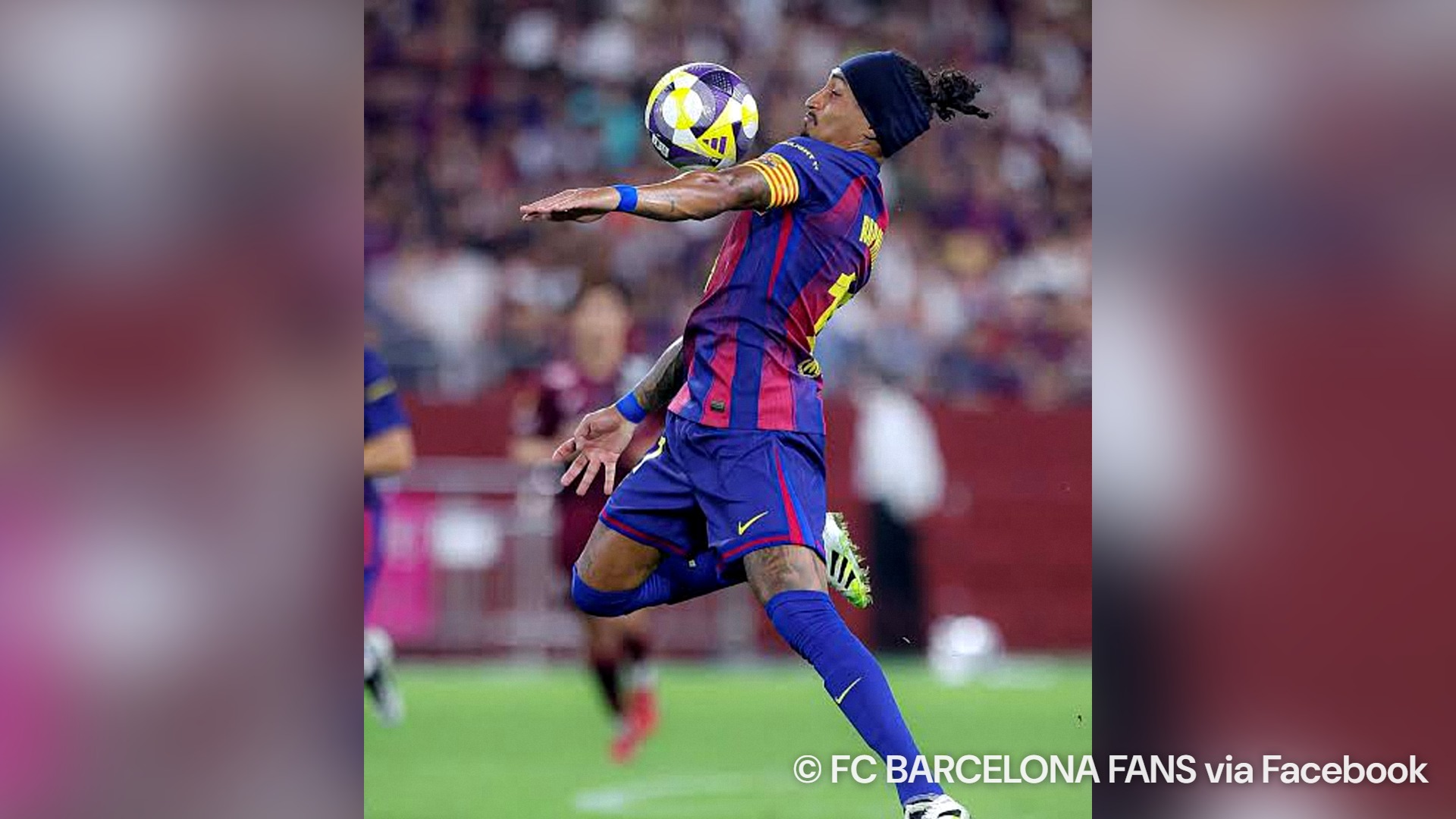
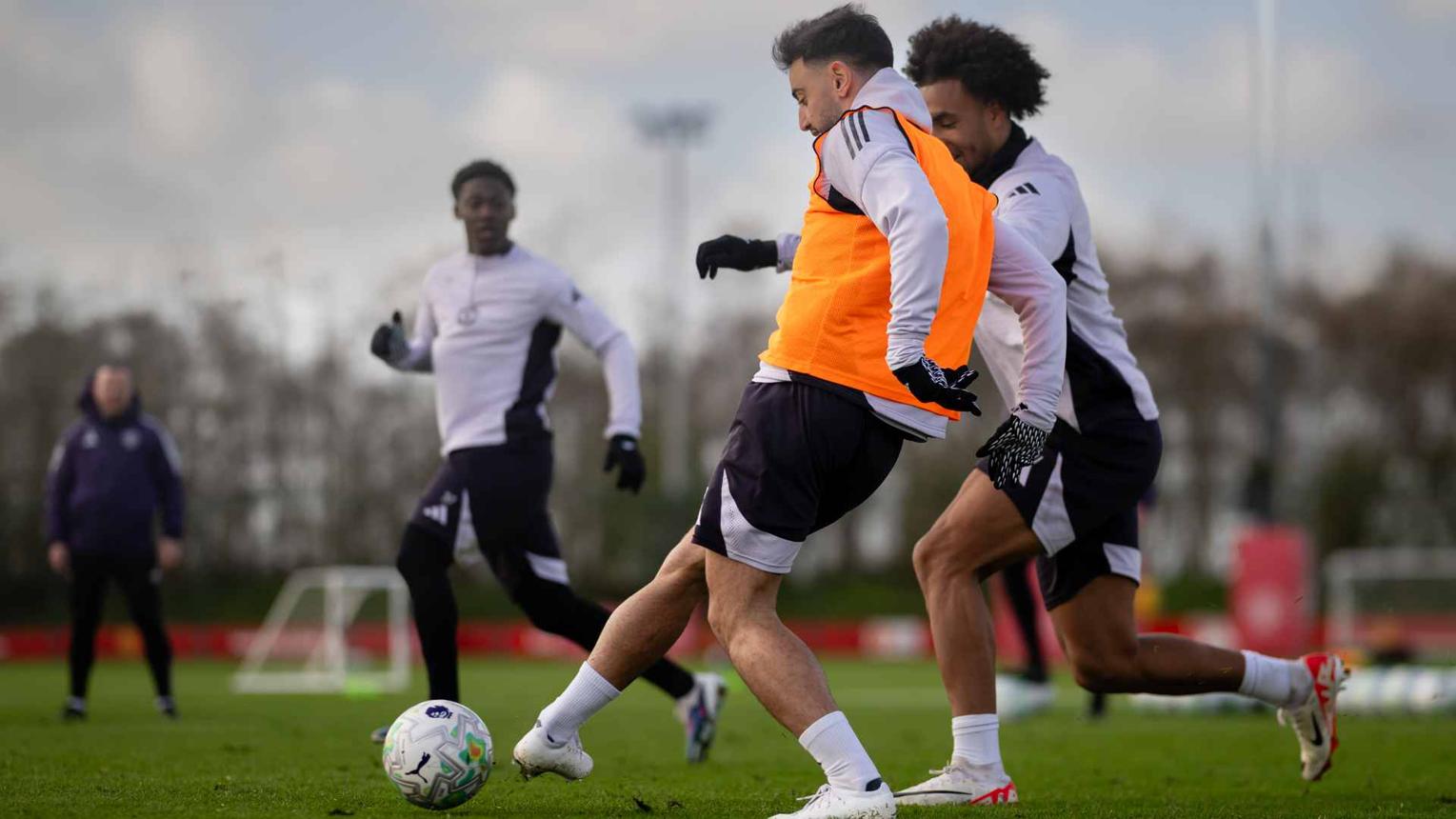
Ahead of the season, Barcelona’s attack looked a lot different, and Hansi Flick has been making a wise decision to deploy Raphinha as a central striker this season. The Brazilian is officially toe of the ball, playing as a winger, but appears to have moved and positioned himself more into the classic No. 9 role.
The decision has already yielded impressive results. It does not take long to see the fruits of Raphinha’s spell; he has a flurry of goals and adds a different style of player in the middle game for Barcelona. He isn’t usually in between the centre-backs; he is often spread out playing in the channels and running behind the blitz.
But Flick explained that Raphinha is a natural inside player who does it well. Combined with his pace, intensity and pressing, he was a perfect fit. He is also Barcelona’s top choice for the No.9 going in at this time, as described by the manager.
This inevitably leads to a discussion of Ousmane Dembele’s metamorphosis at Paris Saint-Germain. As Luis Enrique played him, Dembele gradually broadened his range from a typical wide player to playing more in the center and moving more. How he would press, drop and run into areas making it hard for a defender to monitor the ball.
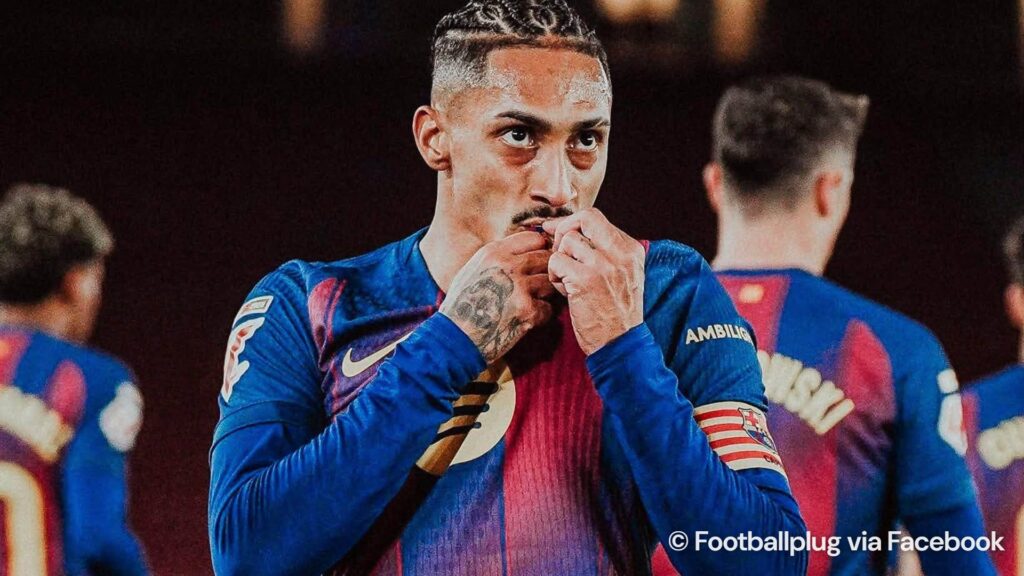
Flick might be searching for something similar at Raphinha. Don’t have to be a traditional centre-forward for the Brazilian. On the contrary, they can exploit his ability to move to create space for the likes of Lamine Yamal at the back of the defense and his pressure provides the opportunity for them to pull it back to higher levels up the field.
So far, it’s unclear whether or not the experiment maintains its effectiveness across various types of opposition. A traditional striker can give ground ball and holding up which Raphinha will certainly lack.
But at this moment, looking back at it, I think that Flick is happy about the experiment. Barcelona are at the forefront of considering how Raphinha can change the definition of play.

Leave a Reply