

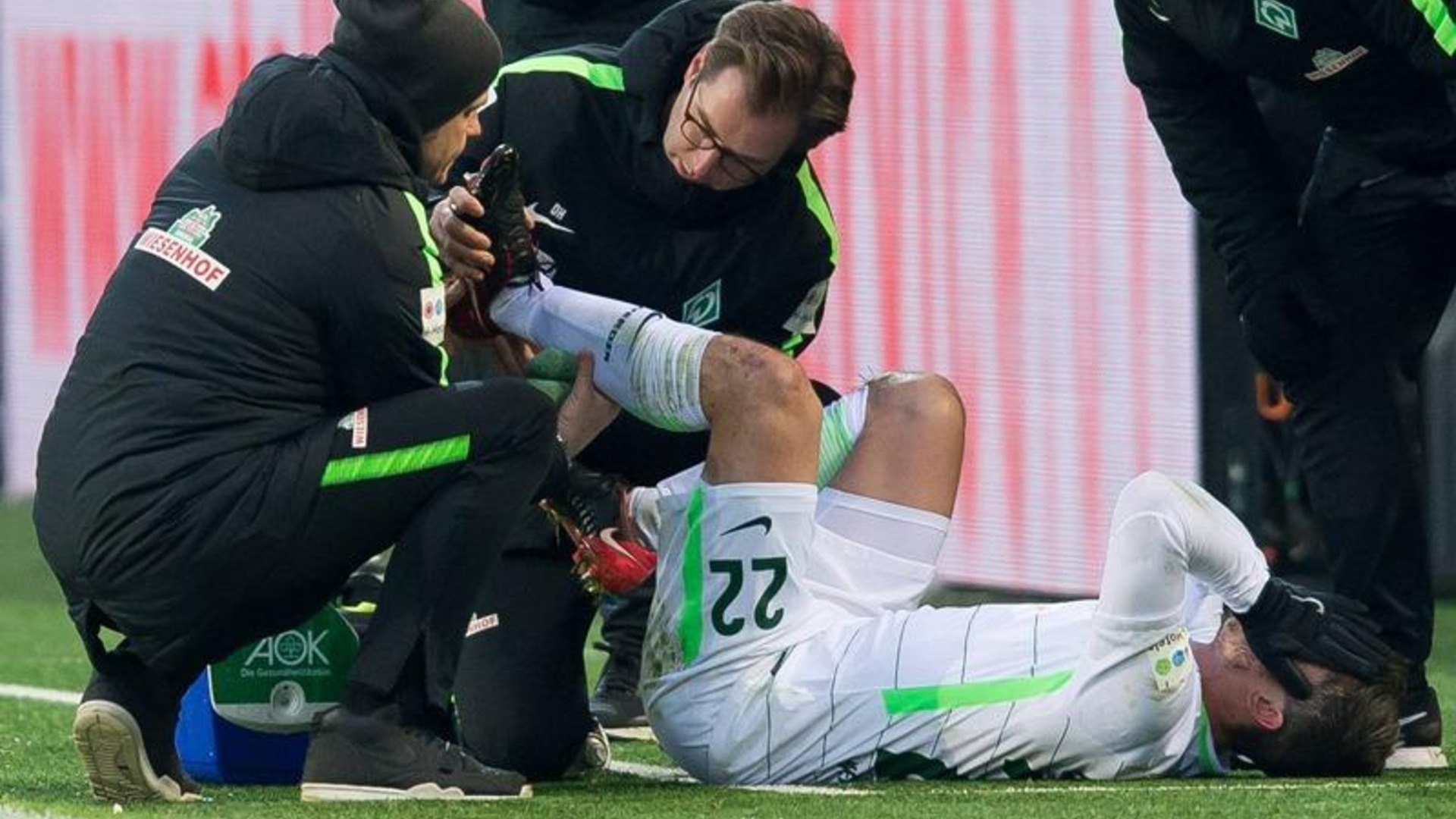
Injuries have always been part of football, but the frequency and nature of them appear to be changing. Longer recovery times, muscle strains, and soft-tissue issues are more widely talked about than ever. The pressures cited by players, coaches and medical staff all seem the same: an almost unrelenting schedule, a game that’s clocked up, bodies asked to perform at a high level week after week.
A Calendar Without Enough Pause
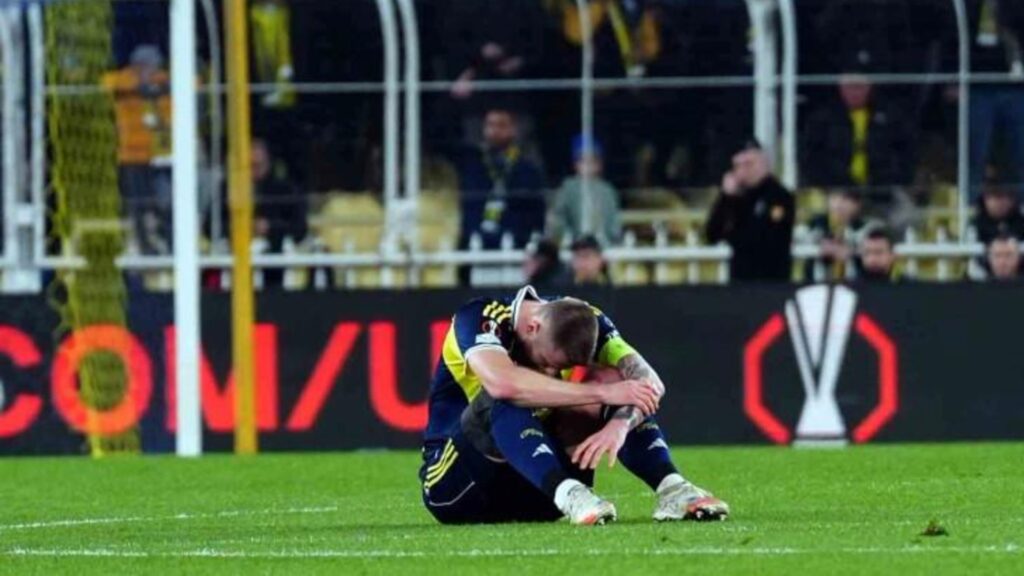
This season is really full though. There’s very little opportunity to recover with domestic league fixtures, cup tournaments, European nights and international windows. When there are too many players on the fixture list, players begin training again before the previous work has been completed.
Even the most effective conditioning regimes have a hard time fitting in with shortened game schedules. With time, the accumulation increases the possibility of damage to soft tissues. The physical requirements have also increased.
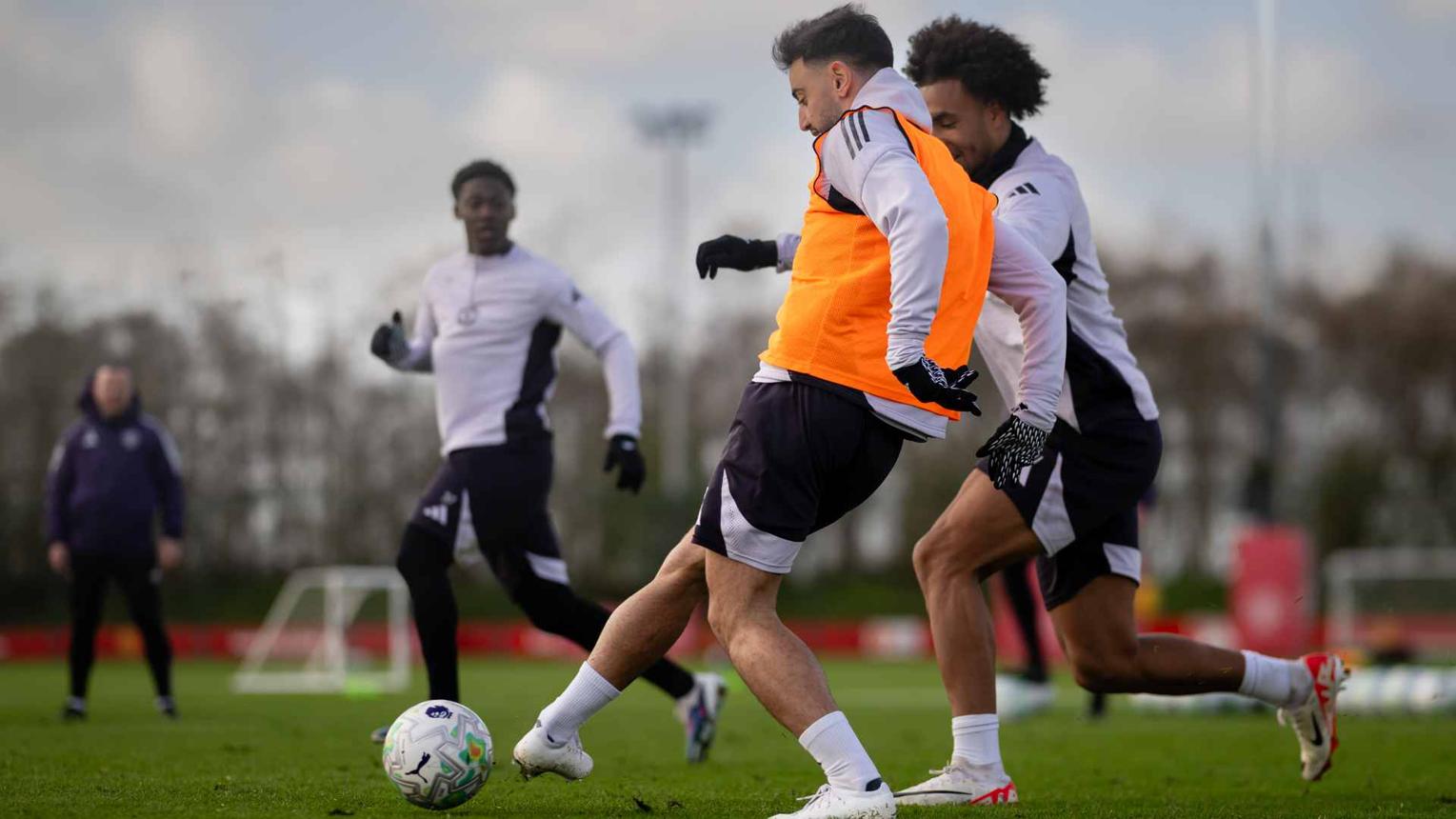
The pressure of the game is greater, sprinting is more frequent, and there’s more need to move quickly to cover ground. While players now are fitter and more explosive than ever before, the athleticism comes with more strain on muscles, tendons, and joints.
Human Cost of Constant Demand
There’s a human element which statistics can’t really convey. Players are under pressure to be on duty. Managers require their top crews. National teams are looking for optimum performances. This can create an environment in which playing through discomfort is imperative.
The medical departments strive more than ever but often have to deal with a treatment programme that lacks flexibility. The trend likely will continue until the calendar becomes kinder, or until care is taken to better address the physical demands.
The modern game is demanding more than almost any other era of the game, and the injury list is an obvious indicator of this.








Leave a Reply