

Rarely does a season go as one expects in a football game. Gateshead must be way of bulletproofing their preparations or they can quickly be struck a serious jolt by injury, poor form, managerial shake ups, fixture congestion or transfer prospects. Sometimes, it is the teams that change the least that are the best.
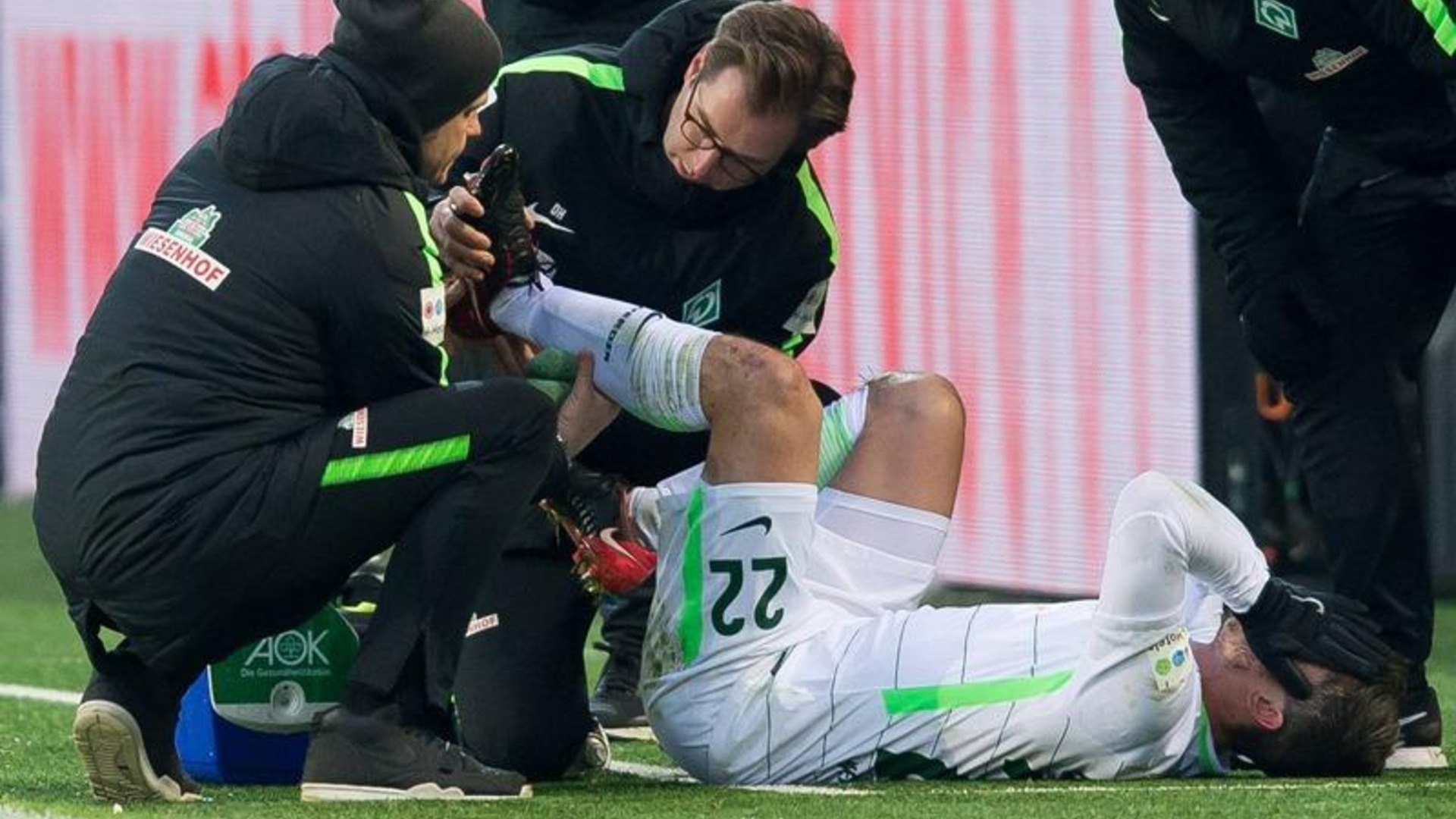
One of the most difficult challenges is injuries. Teams can adjust their formations, rotate players or move certain players to new roles in the team when a key player is excluded. Having depth ahead in a squad is therefore important, especially when a boy gets back home from Saturday night’s match or a match in Europe the following day. UEFA also offers the clubs specific solutions for dealing with certain long-term injuries, if possible under the requirements for entering an overt event.
Another chance for a come-from-behind victory as it’s the transfer window. January offers not only a challenge for clubs who found themselves lacking in areas in the first half of the campaign, but also a mission! Coaches have the opportunity to take on a striker with finishing ability, a defender to take on injuries, or a midfielder with a new dynamic. Clubs’ ability to assess their greatest needs on the pitch before they move occurs throughout the season but in particular is highlighted in the analysis of Premier League games.
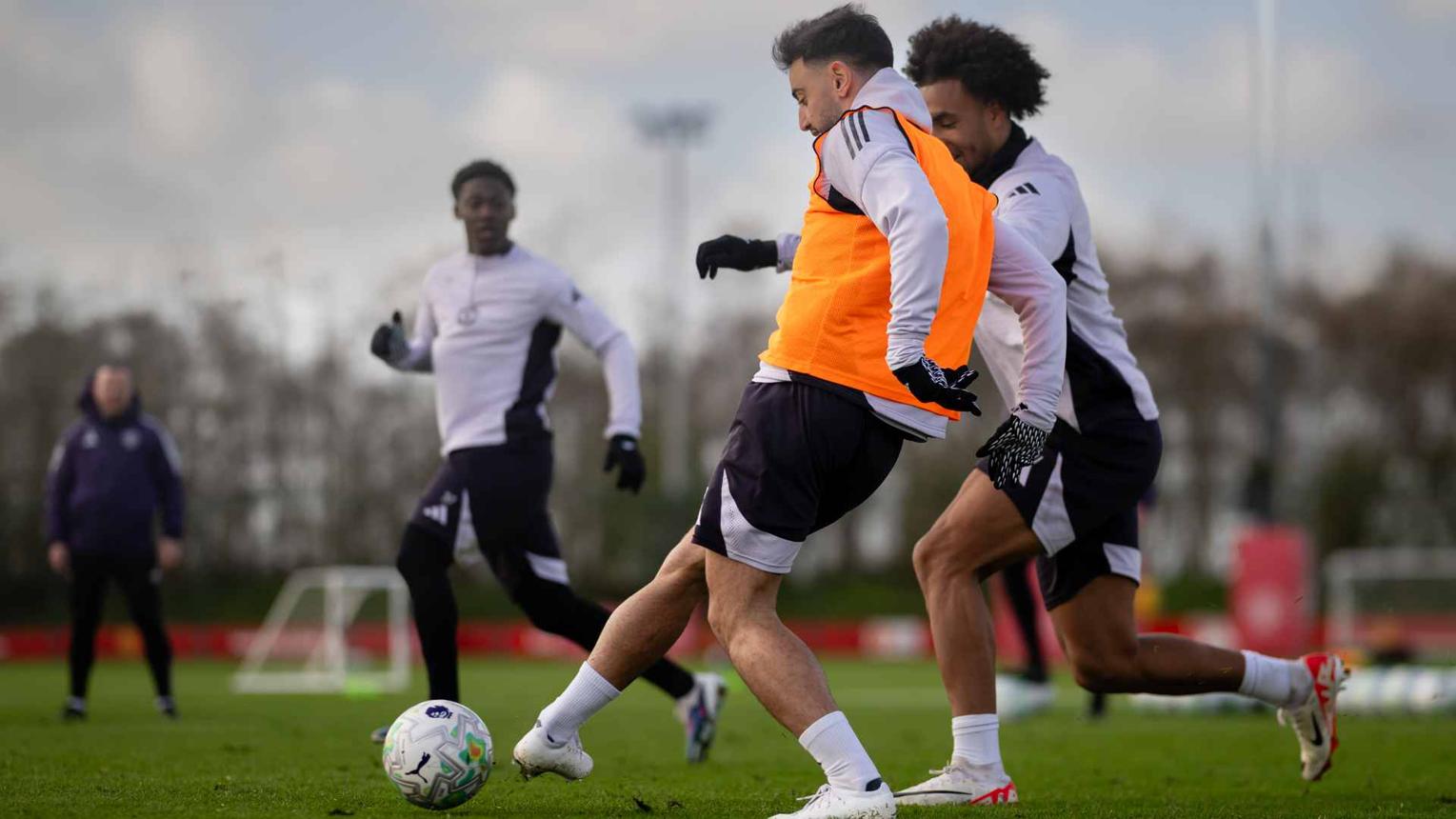
Tactics can change just as quickly. In the event that a team is having difficulty generating opportunities, they could change the way they form, change how they press or change the way they build-up. Coaches are increasingly employing data, opposition analysis and player fitness data to make these decisions. They could make a tactical shift in strategy without having to invest a great deal into the game.

Changes in management has a greater effect. A new coach is likely to bring in new coaching techniques, team concepts and aims. Those looking to win games will need to adjust rapidly as club officials work on short and long-term planning.
Finally, successful clubs view change as an issue that is a normal feature of the season, not a crisis. They watch out for issues, they manage their team’s depth, select on both the transfer market and adjust their tactics as needed. In today’s game, there’s nothing more important than being adaptable and sometimes the difference between a good and bad campaign can lie in it.






Leave a Reply