

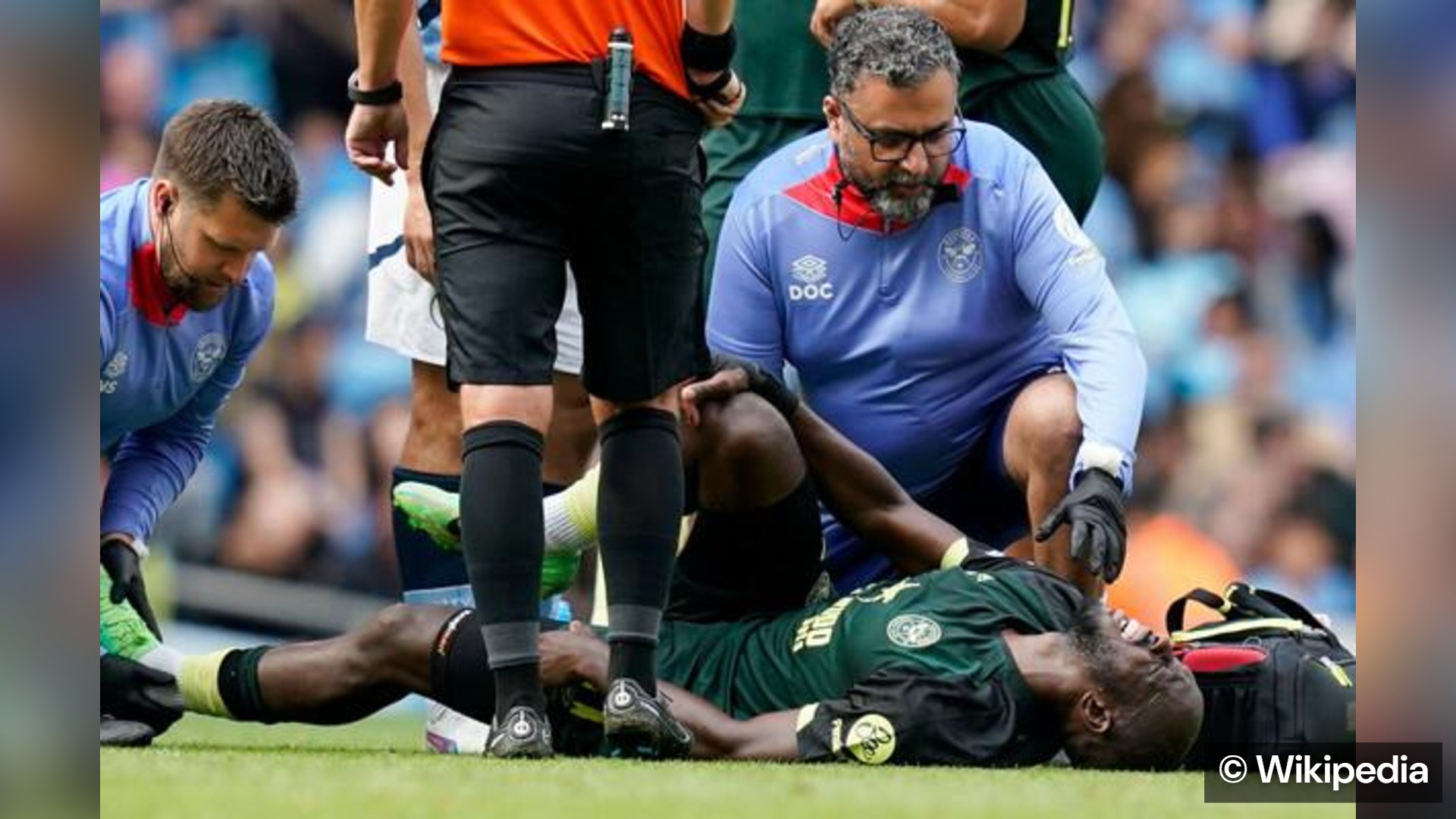
Football has always had a risk of playing the game, but in more recent times, defined by the integration of modern technology, football places new pressures that can make recovery from injury more challenging. At the professional level, players are dealing with intense schedules, schedule travel and competition mounting of growing intensity to weigh workout on long-term fitness and availability.
The foremost one is the congestion of the fixtures. Elite players who compete within a club or domestic league may find that they have little recovery time in between their games.Schedules can be very busy in club competitions or for international tournaments, leaving elite players with little recovery time between matches. The report of FIFPRO showed an excessive / high workload demand for 54% of all monitored football players in 2023/24.
After intense or tough games, it is crucial that you recover. If played out on a regular basis with only a few days between games, a player can easily feel tired when going into the next game. Additionally, given the link between the risk of injury and greater match workloads found in elite players, the international travel undertaken by FIFPRO members has also been shown to be associated with a higher incidence of injuries.
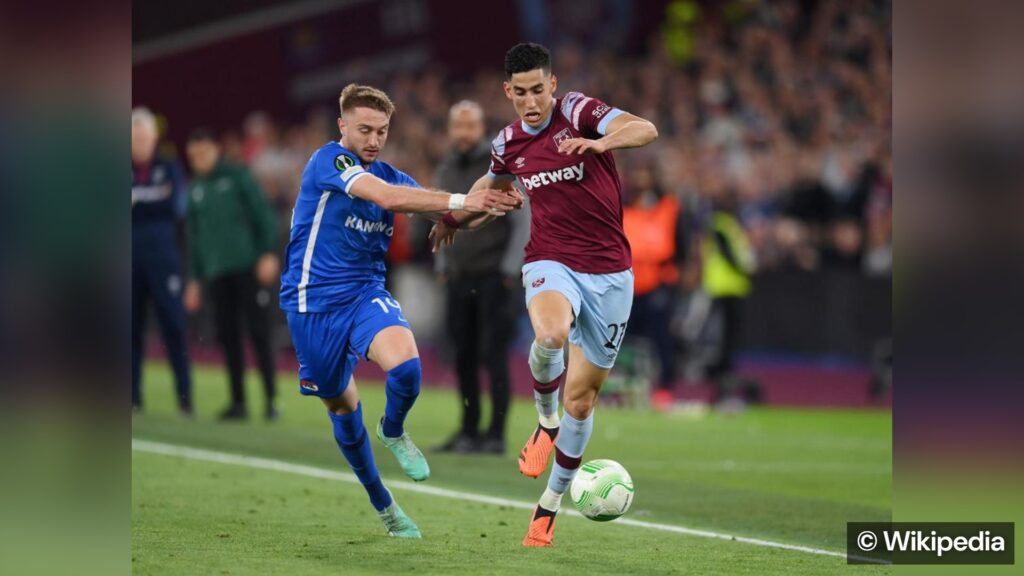
But, there is an added difficulty in international football. Players might be able to move across time zones prior to any return to club duties, which means minimal practical recovery. Travel plus the stress of form and depth of competition plus the loss of sleep can add up to a higher overall physical load.
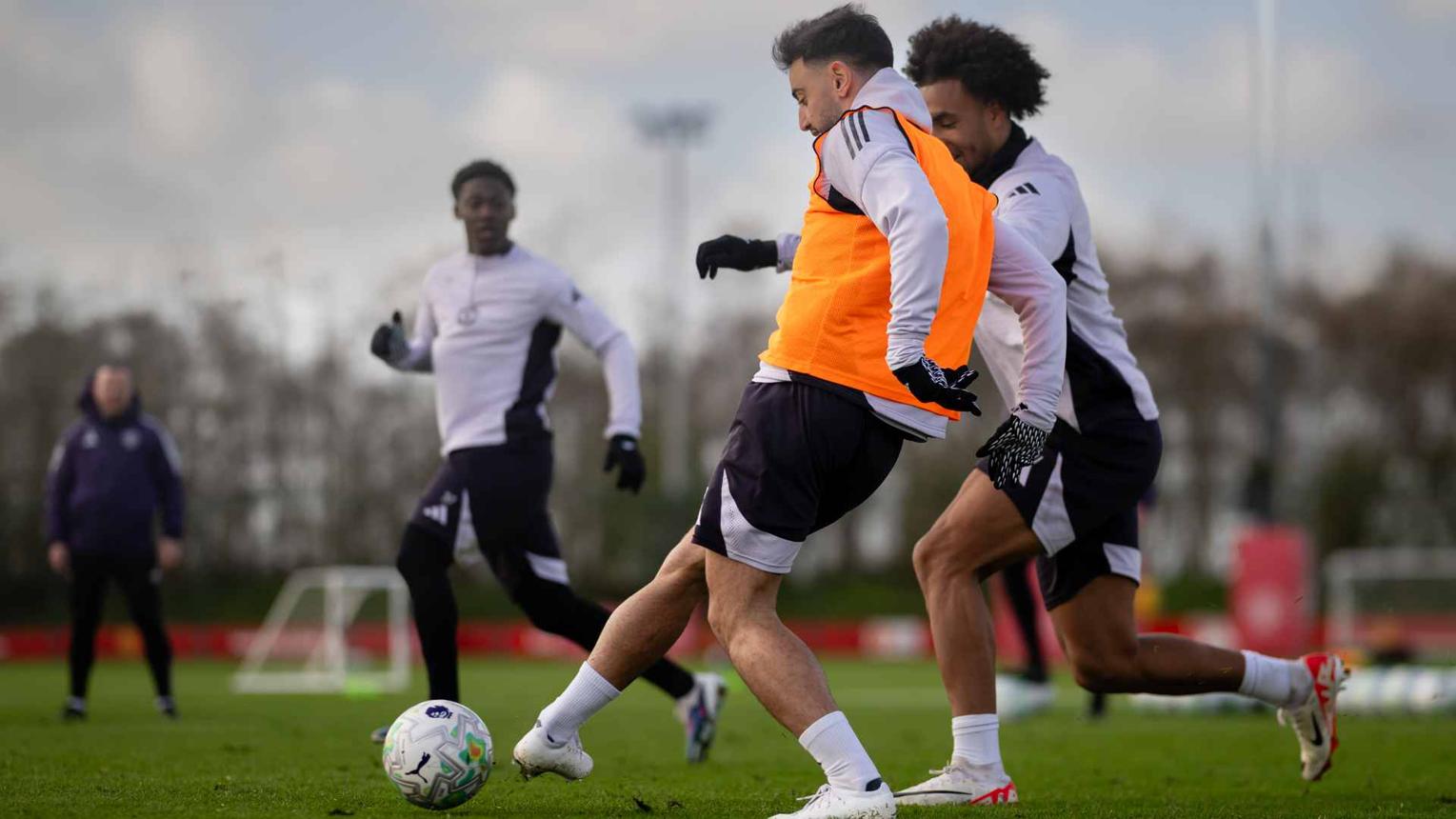
Football today is quick, active and intense. Players are required to sprint for long distances and with a high velocity, and tactical systems frequently involve repetitive sprinting and pressing. With these demands and the lack of recovery, muscles and joints can be subjected to higher levels of strain.
Workload monitoring/Planning for recovery, nutrition, sleep and individual training have become increasingly important for injury prevention. Clubs and national teams can also benefit from greater coordination between them in order to manage demands of players with better medical and/or training and performance management.
There is not any single cause for the increase in injuries. Work load, fixture congestion and travel/recovery time have been a concern though as football’s competitive programme continues to grow.







Leave a Reply