

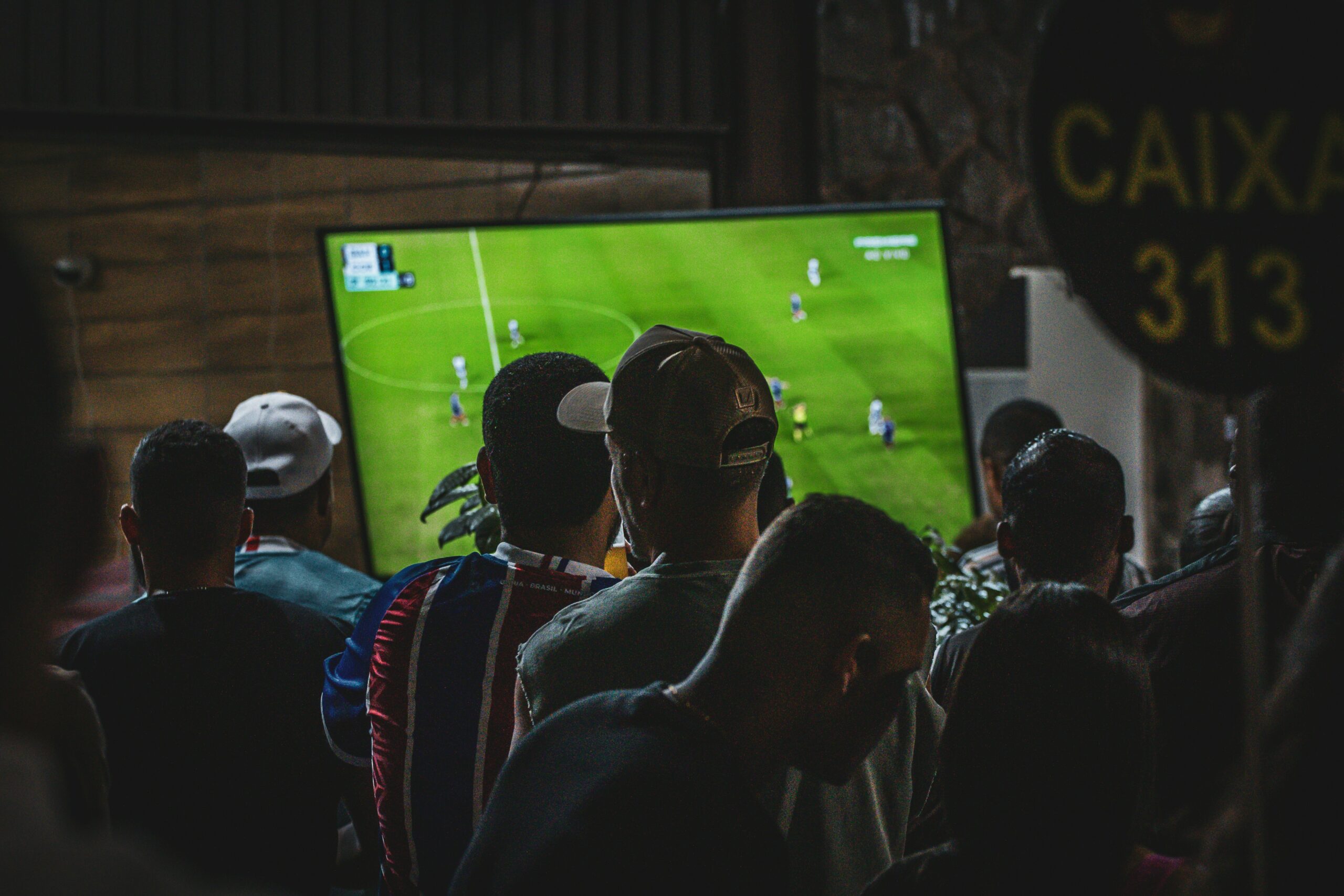
Networks used to bid high to acquire rights, even with record-breaking bids. But the prospects for 2026 are showing some unusual signs of lethargy. The talks in different regions have stalled, and broadcasters are becoming more conservative. That’s not because people don’t like football but because of a change in the economy, audience habits and media tactics. This is the latest example of a shift in the way sports rights are perceived and perceived as.
When The Money Math Stops Working
The price of broadcasting rights for major tournaments has now been steadily rising over the years. FIFA has high hopes for 2026, and is looking to make the biggest event generate the most money. Now, however, broadcasters are beginning to ask themselves if these expenses are worth it. Struggling to see a return on investment, networks are not risking big buys without guarantees of profitability. The difference in the expectations of the sellers and the buyers has been a big problem in closing deals.
Traditionally, the money needed to break even at the broadcaster came from advertising and sponsorships. Predicting returns in today’s environment is more challenging. Revenue projections are less predictable due to wildly varying viewership, changing audience preferences, and multiple platforms. Networks will now put financial discipline first, opting out of high-risk, high-return transactions.
The global economy is shaping corporate investments in various sectors. Media companies are concerned with cost cuts, profitability. Sports rights are subject to a more careful analysis for big investments than ever before. Even experienced broadcasters are opting to engage in tougher bargaining or wait for better conditions.
The Audience Has Moved On
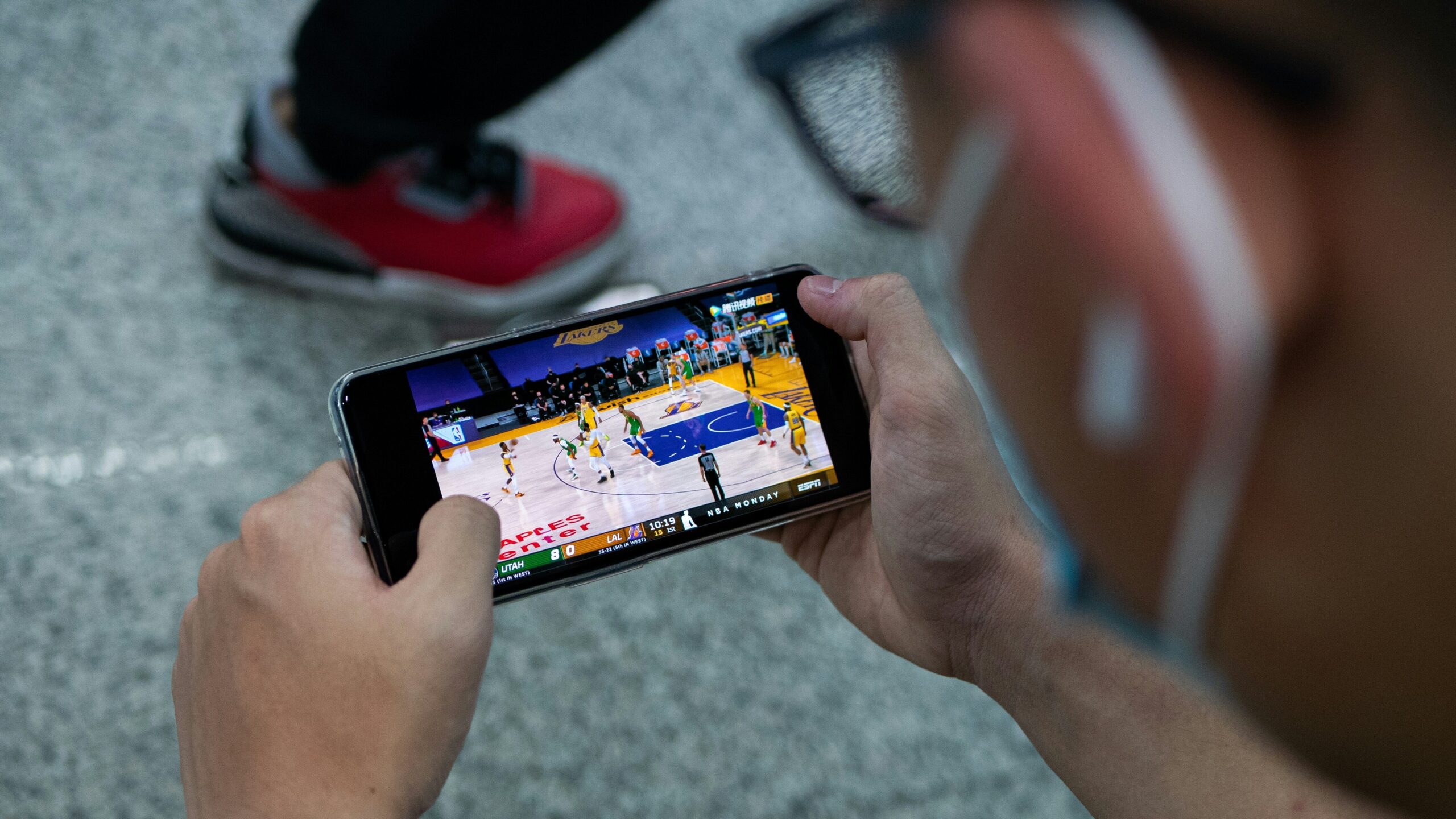
The landscape of sports broadcasting has been changed by streaming platforms. The digital players usually prefer to be flexible and play with data, as opposed to playing long term for long-term cost. This has lessened the need to rush to obtain exclusive rights for any reason. However, traditional broadcasters are also under pressure to compete with streaming services, and have to deal with their costs. This results in a lack of confidence in making a significant initial commitment.
Live sports are no longer viewed from a single platform. Television, streaming apps and social media are now competing for viewers’ attention. It is a fragmentation that diminishes the effect of exclusive broadcasting deals. Even with rights secured, a network may not be the definitive one to reach all viewers. That makes such deals less attractive because they come at a lower value proposition.
Advertisers’ media budgets are getting more focused. Many are shifting away from the traditional TV slot to more targeted digital campaigns that can be measured for results. This change helps to lower the need for big scale event advertising. Therefore, it is impossible for broadcasters to support high rights fees based on advertising fees.
Organizing the 2026 World Cup poses some difficulties for a variety of regions, particularly in Asia. Late-night or early-morning games may result in reduced viewing figures. This is something which broadcasters consider when bidding for a channel and, of course, has an influence on ratings and advertising revenues. This is yet another hazard to an already costly investment.
Where The Deal Gets Stuck
This expansion from 48 teams will bring in a lot of games. This is great for the amount of content but it is also a dilution of audience interest. Not every match will have an impressive audience, particularly the lesser known teams. Broadcasters need to evaluate if there is proportional revenue available for the extra content. This uncertainty leads to a more conservative bidding strategy.
Digital platforms have complicated broadcasting deals. Rights are not just reserved for TV, they are now available for mobile streaming, highlights and social media clips. Broadcasters may want to bundle all formats, FIFA may want to split them up to get the most out of television rights. This is a difference of approach that can cause friction in the negotiating process. Networks need clarity and control on the platforms; however, the lack of rights packages makes it difficult for networks to offer a consistent viewing experience.
Every market is different in terms of regulations, audience preferences and competitiveness. A solution that is successful in one area might not be successful in another. Before entering into a deal, broadcasters have to assess the local demand, the extent of language coverage and the pricing sensitivity. Tough licensing requirements or market constraints in certain areas may hamper negotiations. This is an additional delay because FIFA and broadcasters must ensure world expectations are met with local realities.
This is indeed a typical negotiation gap. FIFA wants to keep the value of the product unchanged, or even go up. Broadcasters, on the other hand, want to get a better deal, in line with the market. The two parties are not quick to compromise, thus causing delays in reaching agreements. This impasse is rare for an event this big and indicates changing power dynamics in media rights deals.
What Comes Next
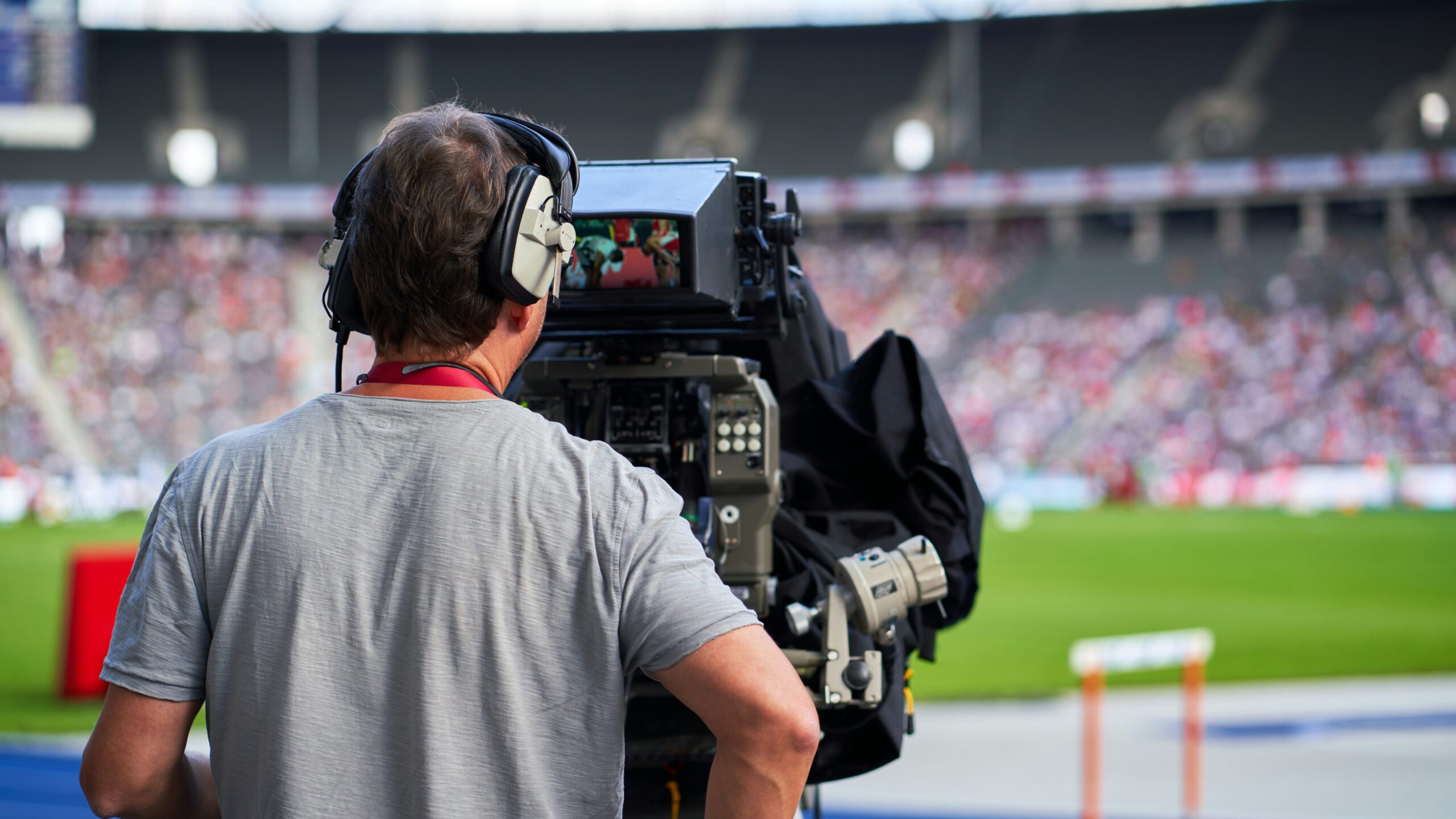
The impasse could make both FIFA and the broadcasters re-evaluate their strategies. FIFA may consider other distribution options, such as direct to consumer or flexible regional contracts. Selective investment and digital integration are more likely to be the interest of broadcasters than big exclusive deals. Such a change would mark a future paradigm shift in how big sporting events are distributed.



Leave a Reply