

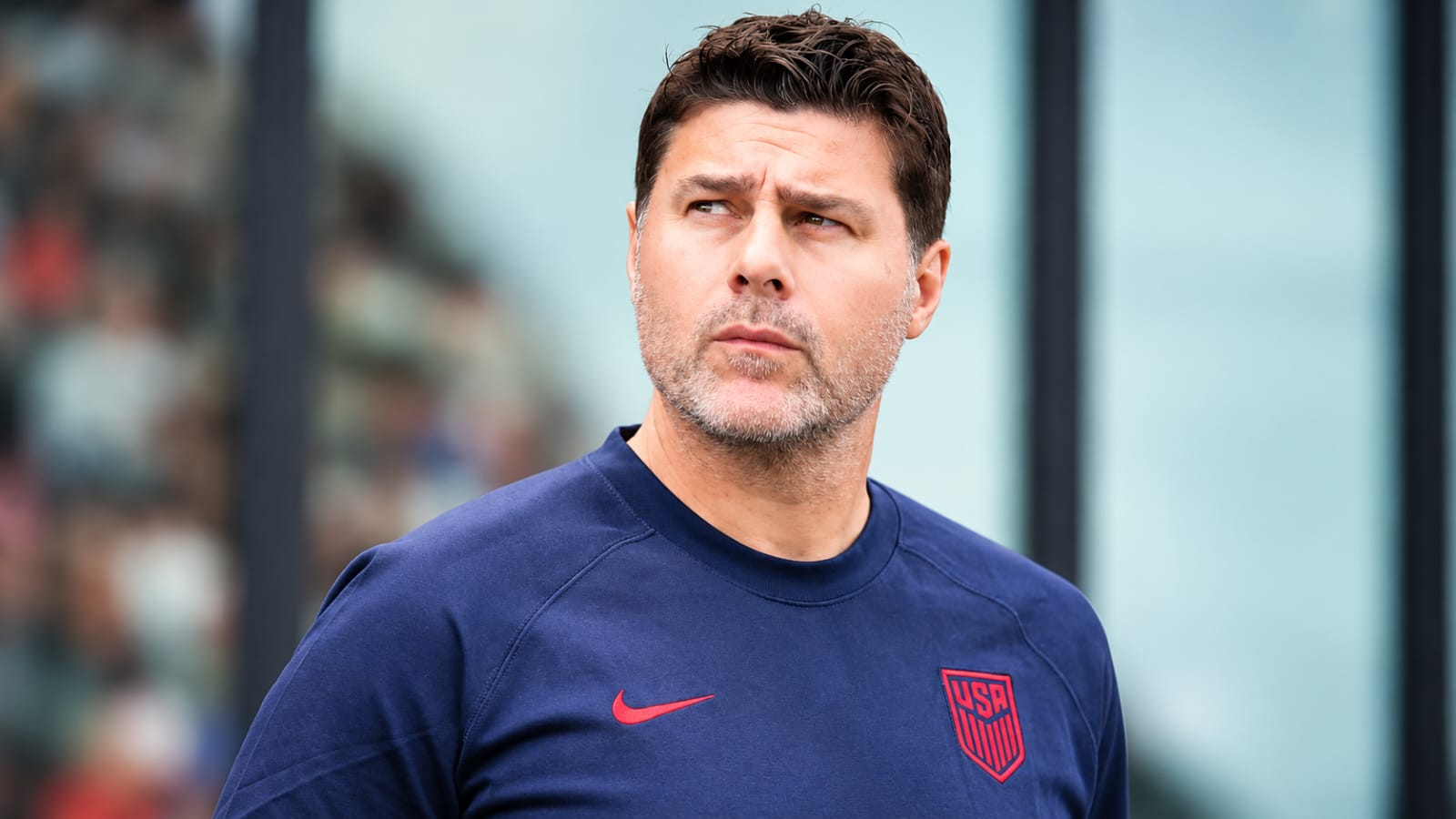
If you follow the headline clickbait circling this one, you are trained on a fantasy about Mauricio Pochettino’s long-awaited international window with the United States Men’s National Team this involves an Australian side. In place of it, the autumn international window would actually provide a first opportunity for what is effectively his successor to see how his squad holds up under pressure with key test matches against regional rivals Panama and Mexico. Instead of looking at a made-up friendly, what happens on these real fixtures gives you unambiguous proof of just where he tactically took this American group in his first games in charge and also demonstrates that building both roster depth and structural consistency are still his biggest immediate obstacles.
Tactical Fluidity and Structural Adaptations
Where others see a rigidly designed formation and increasingly expansive attacking fluidity, what Pochettino tried to instill in a group that has never before been exposed this kind of tactical pragmatism. The USMNT played a base 4-2-3-1 in their opening match vs Panama in Austin, Texas However, when they moved forward into higher buildup phases, it turned into a very fluid 1-3-2-5 in possession. This allowed more forward-thinking to be demanded of wide wingers and fullbacks, taking positions that would create numbers up games in the middle third of midfield.
The immediate reward for that strategy came when a neat passing exchange all but ripped Panama’s rear guard apart. A speedy combination left wing saw Pulisic cut to the endline and feed a low cross to a sprinting Musah, who finished it with his volley for his first goal in an international jersey. This chain of events displayed the essence of Pochettino using yellow shirts to create overloads by rotating the ball quickly and exposing empty areas in the pitch. Despite Ricardo Pepi’s insurance goal late in stoppage time to make it 2-0 and a win, the subsequent 2-0 loss to Mexico in Guadalajara showed the cracks inherent in this system and that player muscle memory for a precise model remains very much a work-in-progress.
Roster Depth and Midfield Conundrums
That window also served to illustrate the yawning gap between the ideal starting eleven and the rest of the player pool. And Pochettino immediately had to grapple with major constraints from injuries affecting key, anchoring veterans Tyler Adams, Folarin Balogun and Giovanni Reyna. He started depth pieces like Gianluca Busio and Aidan Morris in the engine room of the pitch, and simultaneously handed opportunities to fringe talent and emerging players alike.
The team could not handle Mexico’s extreme press without a totally on tiptoe spinal column. The midfield had lost all sense of managing the tempo of a match, continuously yielding possession in dangerously advanced positions and collectively abandoning their center backs to over aggressive defensive transitions. The opponent had been looking to hunt down the spaces left out wide whenever possession broke down in the final third. This camp was for Pochettino undoubtedly the clearest indication yet that navigating through a congested tournament calendar leading into the World Cup will call for finding fit, tactically astute solutions who can execute the system in instances when top-ring talent is unavailable.
Resolving the Attacking Identity
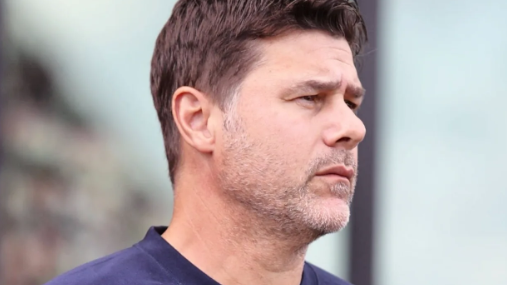
The final third, especially when it comes to breaking down a low block which has been the clearest marker of the developmental curve for this United States National Team (USMNT), was at times worrisome. The USMNT showed the technical ability to produce above-average possession and accurately link passes through the first two thirds of the field, but struggled to make that control mean much in regards to producing scoring chances. Wingers were often left isolated and the predictability of attacking patterns enabled oppositions to effectively deny passes into their centre forward.
He stated immediately that there could be no excuse for passive football in possession and that the ball must always move faster, and with more impetus vertically. But there is no point in saying what they lacked this was the debut window it proved nothing and gave every indication that while a technical backbone exists, there remain aspects needed to dismember stationed defensive systems. Building an attacking identity, improving positional detail in the front third and acquiring a clinical nature once inside the box are all high:high on Pochettino’s agenda as he continues to reshape the force of this national team.








Leave a Reply