


Tactical perfection is always needed at the semifinal stage of any Champions League, where the smallest of tweaks lead to a place in the final and greater glory over another bitter trip home empty-handed. Individual brilliance regularly makes the headlines in this line of work, but, much like a game of chess, it is often moves from the dugout that determine wider outcomes in ties such as this. The victors always shut down the opposition’s main weapons while exposing structural deficiencies that only emerged when under a heavy barrage. A high-pressing masterclass, control of space, adapting mid-game at the right time; it had everything in modern football strategy.
Neutralizing the Half-Spaces and Flanks
A cornerstone of the successful strategy was total defensive strangulation of the foe’s hubs of creativity. The opposition had spent their domestic campaign shredding teams at will by overloading the half-spaces zones traveling between the wings and the center of the pitch, then releasing their pacy wide forwards. The winning side, in contrast, set up with an asymmetric defensive shape when hit by spell of sustained presses having the ability to modulate quickly between a compact mid-block and back-five.
Rather than risking his full-backs being isolated in duels one-on-one, the manager asked the defensive midfielders to drop deep and provide a protection shield. The laterally shifting effectively doubled up many times on the opponents’ wingers, forcing them back or inside into crowded central areas where they were quickly dispossessed. Suffocating the space in these key areas, the winning team denied the opposition’s strikers any service at all turning what is normally a free-scoring five-man attacking unit into a stagnant sideways passing possession machine.
Targeted Pressing and Midfield Turnovers
The win was a product of an efficient early warning system, built on the foundations laid by defensive resilience which had to then be augmented through this highly orchestrated pressing scheme: designed to pull out and expose deep build-up play from their opponent. Neither side wasted energy on a ceaseless, frantic high press from the winning side. Instead you had particular tactical triggers whereby, from the moment that the opposition’s deepest central midfielder received with his back to field, an aggressive trap was initiated.
The forwards prevented the ball from reaching the full-backs and mostly made them play low risk vertical passes on a cluster of central players. Upon the trap sprung, the winning midfield could then rely on its physical dominance. They kept winning the second balls and immediately counter attacking before they could reorganise their defensive line. This incessant pressure in the middle third left the opposition in a type of structural chaos, allowing for that turnover that broke the tie.
Exploiting the Weak-Side Defensive Transition
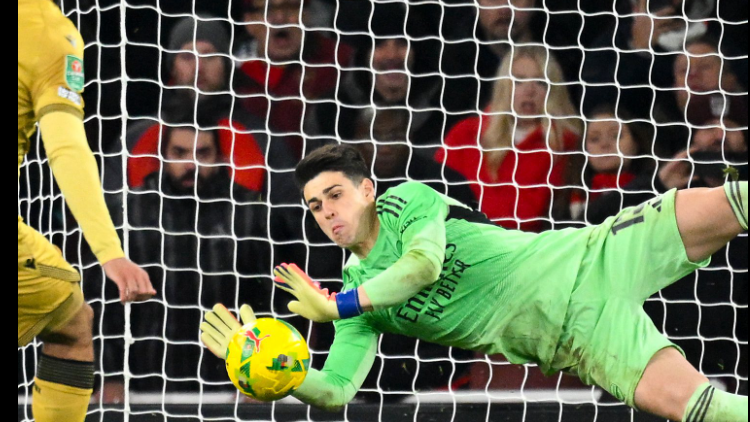
The tactical breakthrough was, though inevitable, a result from a sloppy plan and then repeatedly pumping opponents into an over-forward position. By constantly pushing their full-backs extremely high to help their own attacks, the opposition regularly left their two centre-halves alone in gargantuan expanses of open space. The winning side predicted this weakness and prepared their players to carry out immediate, straight diagonal switches of play right after regaining possession.
Once the ball was retrieved, it was immediately traversed across the field towards the “weak side” the flank left vacant by an opposing full-back, making a forward run. When the winning side loses possession, their wide forwards intentionally remain high and wide so they can be in position to chase these long diagonal balls. This forced the opposition centre-backs out of their comfy central domains into footraces they well cannot win. This side was able to stretch the defense out to either flank multiple times forcing gaps in the middle allowing them to isolate penetrations into penalty box and gain those scoring shots that made up their decisive goals that won them a spot in the final.










Leave a Reply