

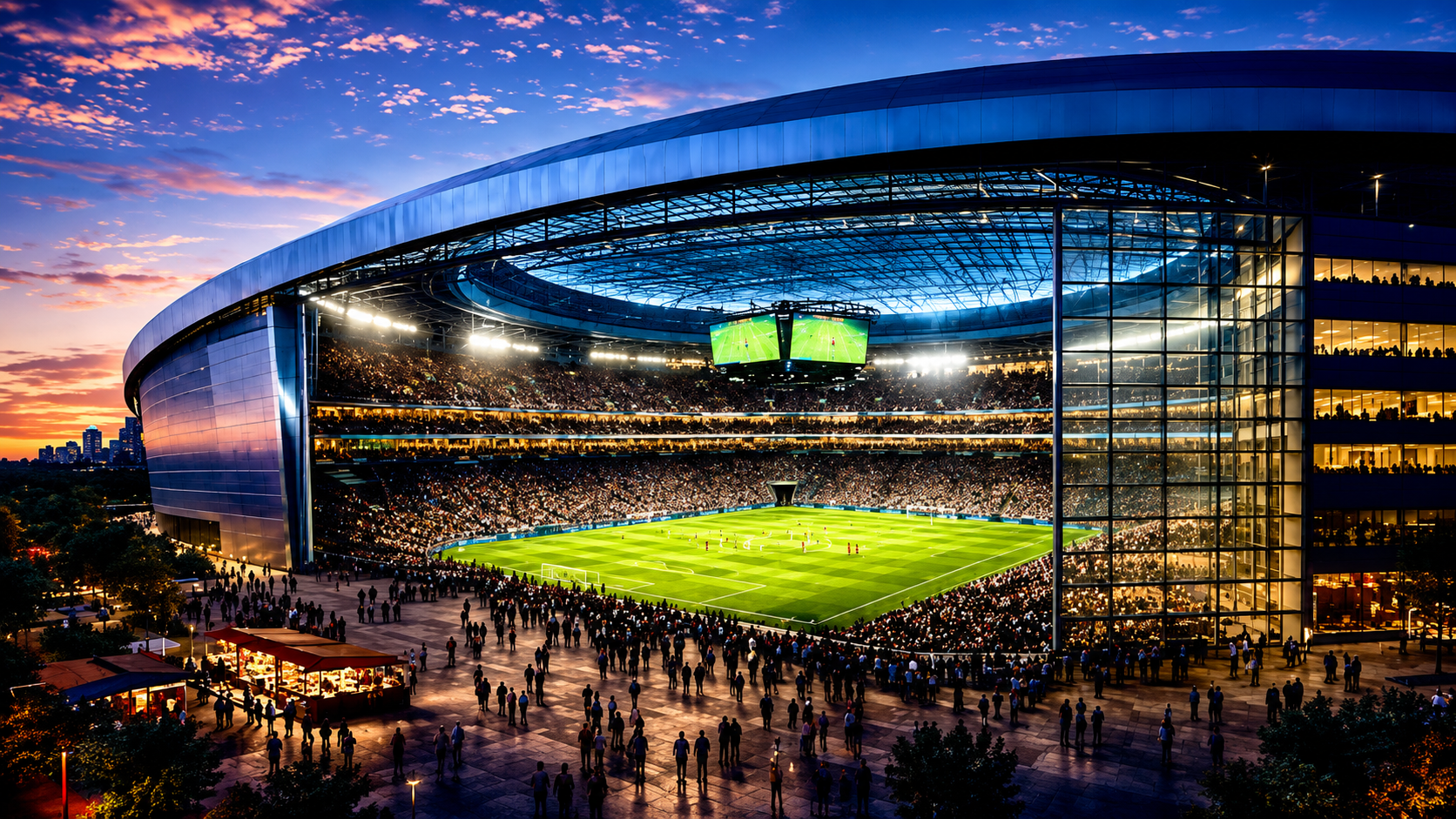
Major League Soccer has been preaching to those who listen that it is not in a hurry. The target was thirty teams; thirty teams were reached with the arrival of San Diego FC in 2025, and commissioner Don Garber has been steadfast that he would rather pause before adding any more. In his 2023 State of the League speech, Garber even indicated that expansion would not be discussed again until the 2026 World Cup. The league was on its job. It desired to consolidate as opposed to continuing to expand.
And then the situation with Vancouver happened. And, all of a sudden, the issue of the location of the next MLS franchise was much more pressing than anyone anticipated.
The League That Said Its Done Growing
Overall, growth has been the narrative that MLS prefers to share about itself over the past ten years. Each new franchise was evidence that the sport had come to another city, a new fan base made out of nothing. But it seemed like an instinct to stop at thirty teams. By the time San Diego joined the league, expansion fees had already topped over 500million dollars, which was indicative of the growth of the league, but also made the cost of joining so high that all other would-be entrants would have to pay that much. Garber desired to allow things to rest. That which he could not have completely controlled was the state of affairs slowly steaming up on the western coast of Canada.
The City That Cannot Afford to Remain
The Vancouver Whitecaps have had the past 18 months being one of the most entertaining teams in the league, and secretly struggling to survive in the city that they call home. The stadium is not owned by the club. It is leasing BC Place, which is owned by the government, and reaps very few benefits on matchdays – it is the last of the 30 teams in the MLS in terms of revenues and has decent attendance figures. Success on the pitch cannot correct it, as it is a structural issue.
Since December 2024, the Whitecaps have been available for sale. They have their lease run out at BC Place until the end of 2026. As the stadium is hosting seven matches in the summer of the World Cup, the scheduling problems have put an extra strain on an already tenuous situation. The club began talks with the city regarding a new stadium at Hastings Park, but these discussions dragged on, and nerves became frayed.
In late April, reports came out that MLS had informed owners around the league that they were considering relocating the Whitecaps, with Las Vegas being their preferred location. This was followed by a Montreal radio host who said that MLS clubs were told to expect the move as early as next year. The fans reacted with a Save the Caps movement, which attracted thousands of fans. The British Columbia Premier talked of retaining the team in Canada. The economics, however, have not changed merely because people are not happy with them.
Las Vegas: Long waited for This Moment
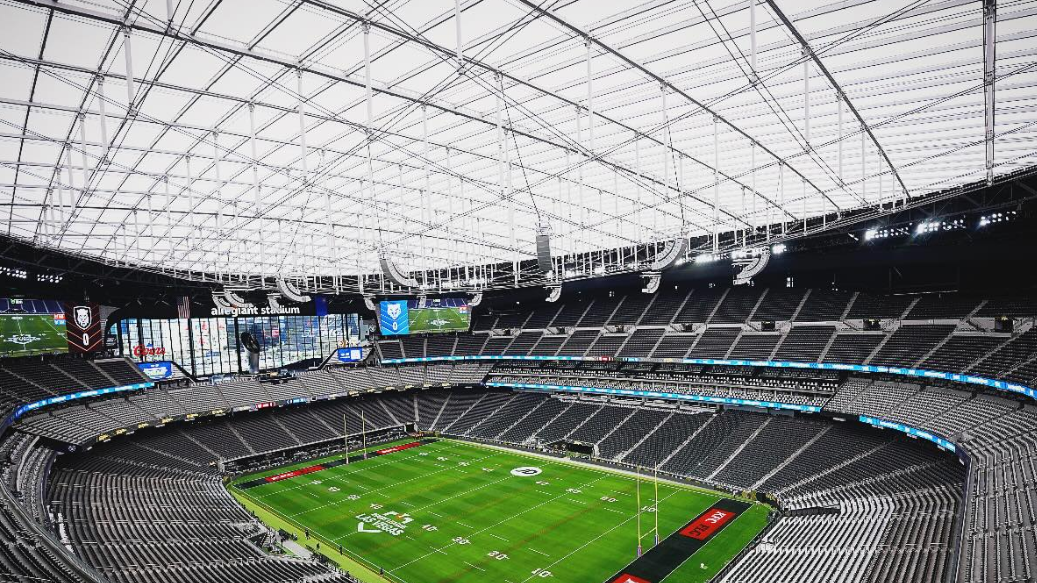
Las Vegas has circled this debate, year-round, a few times it has been asked to buy, and year-round, numerous ownership teams, numerous close calls. It possesses the sporting facilities, the population increase, the business support and the appetite. They are reportedly being monitored by six groups, with representatives of Detroit, Phoenix, Sacramento, Indianapolis and Las Vegas reportedly present at the semifinal of the Western Conference in Vancouver between the Whitecaps and LAFC.
It has been 10 years, and Sin City has demonstrated its ability to make any franchise successful. The Golden Knights proved that a brand-new team could be embraced overnight. The Raiders went on to demonstrate that it was capable of maintaining one. Soccer would not be coming into enemy country – it would be coming into a city that needed just this.
The City That Waited Long Enough
In the shadow of the headline story of Vancouver, Indianapolis has been engaging in a smaller but not much less commendable endeavour: constructing a serious, organised case of an expansion franchise on its own terms, squarely and in a more disciplined manner.
Mayor Joe Hogsett travelled to New York to sit down with Garber in person and made a formal proposal with a downtown stadium location and an ownership group headed by a veteran sports executive experienced in MLS and international soccer. The expansion fee, which San Diego paid a reported $500 million, would be a titanic obligation – but the ownership group has not flinched. The city boasts of good corporate infrastructure, real political will, and a plan to build a comprehensive stadium that is already underway.
The World Cup Effect
It is a question of timing rather than time. The 2026 World Cup is the largest commercial promotion of professional soccer that North America has ever witnessed. Millions of fans will be spending a month with the world’s best players in their respective cities. The league is cognizant of this. The halt which Garber was talking of had a natural limit–and that limit is now.
Las Vegas and Indianapolis are not such a story. One is a migration, caused by economic need; the other is a growth that is spurred by civic desire. But both are closer to a franchise than to any other part of the country. The following book on American soccer geography is on the way. The two cities are struggling most to be there.






Leave a Reply