

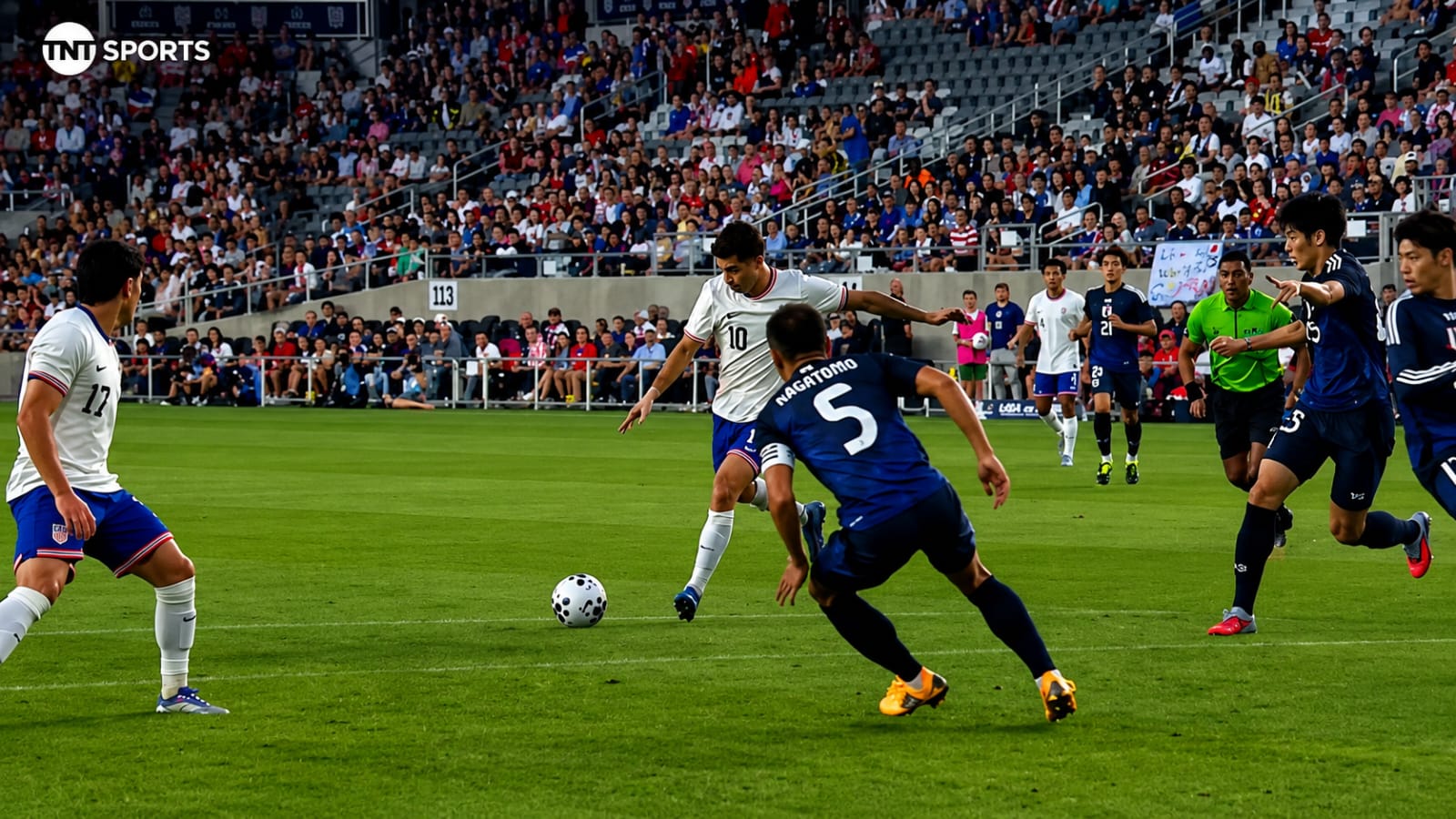
The latest friendly between the United States Men’s National Team and Japan offered an incredible opportunity to understand how the squad is beginning to evolve tactically under manager Mauricio Pochettino. After being assigned the mission of making his side more versatile in time for tournament play, Pochettino used an experimental three-man defense. A back-three system was always going to be about defensive stability and pushing dynamic wing-backs into open spaces, but the contrast of theory over practice against a high-pressing, organized Japanese side was a harsh reality on modern tactics. This tactical recap breaks down the system’s on pitch performance and what it shows about the team’s continued evolution.
The Structural Mechanics of the Three-Man Build Up
The salient objective of changing to a three-man back line is first and foremost that it creates an advantage in the initial phase of build-up play as the goalkeeper and centre-backs can easily bypass the demands put on them by an opponent’s forward press. The USMNT center backs diligently staggered against Japan, avoiding a predictable flat line. The wide center-backs were played wide, thus stretching Japan’s front-line press and creating passing opportunities into the midfield.
Instead of the defence being repetitively flat and parked across the face, in a pattern that would suck energy from the ball, American finished defenders enjoyed an emphasis on moving it towards each other. The USMNT used quick, combinations in the midfield to change point of attack when Japan tried to shut down angles. The distance between backline and the central midfielders was never too much facilitating Japan to move into spaces rather than getting trapped with at touch line highly likely making them populate behind a very high defensive block consequently not having enough space to develop attacking plays whilst being forced to play low percentage long balls.
Midfield Connectivity and Transitional Security
Your whole structure around a working back three depends on the positioning of the central midfield pivot to act like a bridge between defence and attack. Unlike Pochettino’s American midfielders, they did not make the classic mistake of dropping too deep towards their own penalty area. They stood with a shared stance on the field two members of an equally-defensive midfield duo no enormous gap would open up at their backs.
The structural discipline they showed was invaluable over defensive transitions. The USA’s trademark mindset for counter-pressing when possession was lost in advanced areas saw them exposed once, but neither of Japan’s trademark rapid counter-attacks resulted in an immediate crash of USMNT players into their half. As did the midfield screen, which meant individual center-backs were not being forced to break rank from defensive lines in a frenzied bid to confront attackers. That defensive recognition as a collective unit created the space for Japan to not get their intelligent runners in behind the ball and to limit high-danger scoring opportunities throughout the match.
Maximizing the Wing Backs and Attacking Width
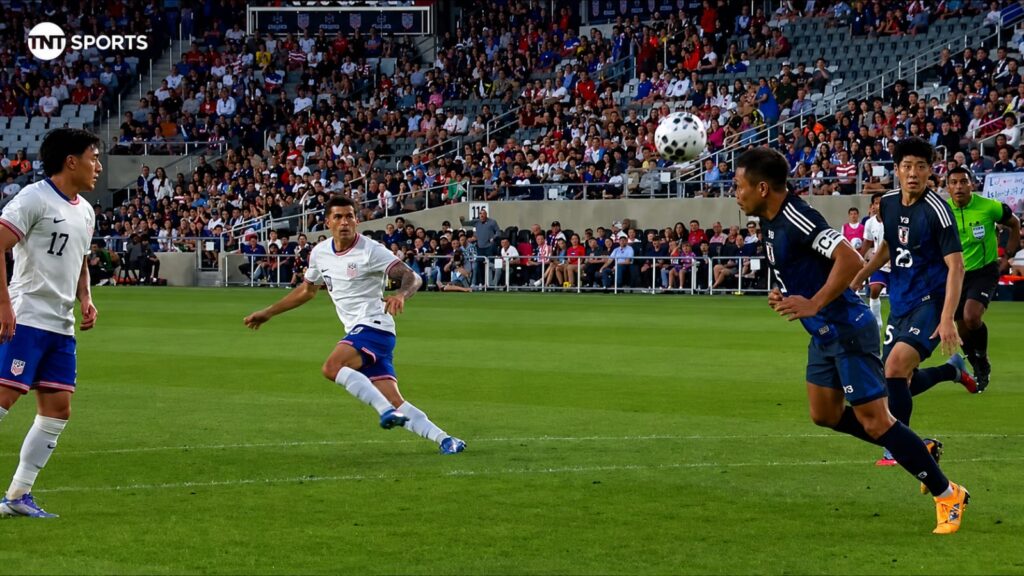
How well a three-man defense can free the wing-backs up as significant, auxiliary wingers who stretch the opposition’s defensive block is what lies behind this most grizzled of quinella. And in this match, the USMNT did well to stave off being pushed into a passive five-man low-block defense. The wing-backs burst into the attacking third with aggression, making wide positions an important part of most of the teams dangerous and unpredictable offensive sequences.
Utilising high starting positions on the flanks, the wing-backs pushed Japan to defend wider spaces and opened up internal space for the central attacking players. The constant threat of overlapping runs provided the USMNT with sustained offensive pressure and created excellent service into the box. The tactical switch completely paid off, resulting in a comfortable 2-0 clean-sheet victory, proving that this team can be both resolute at the back and fluid going forward when a back-three is executed correctly.









Leave a Reply