

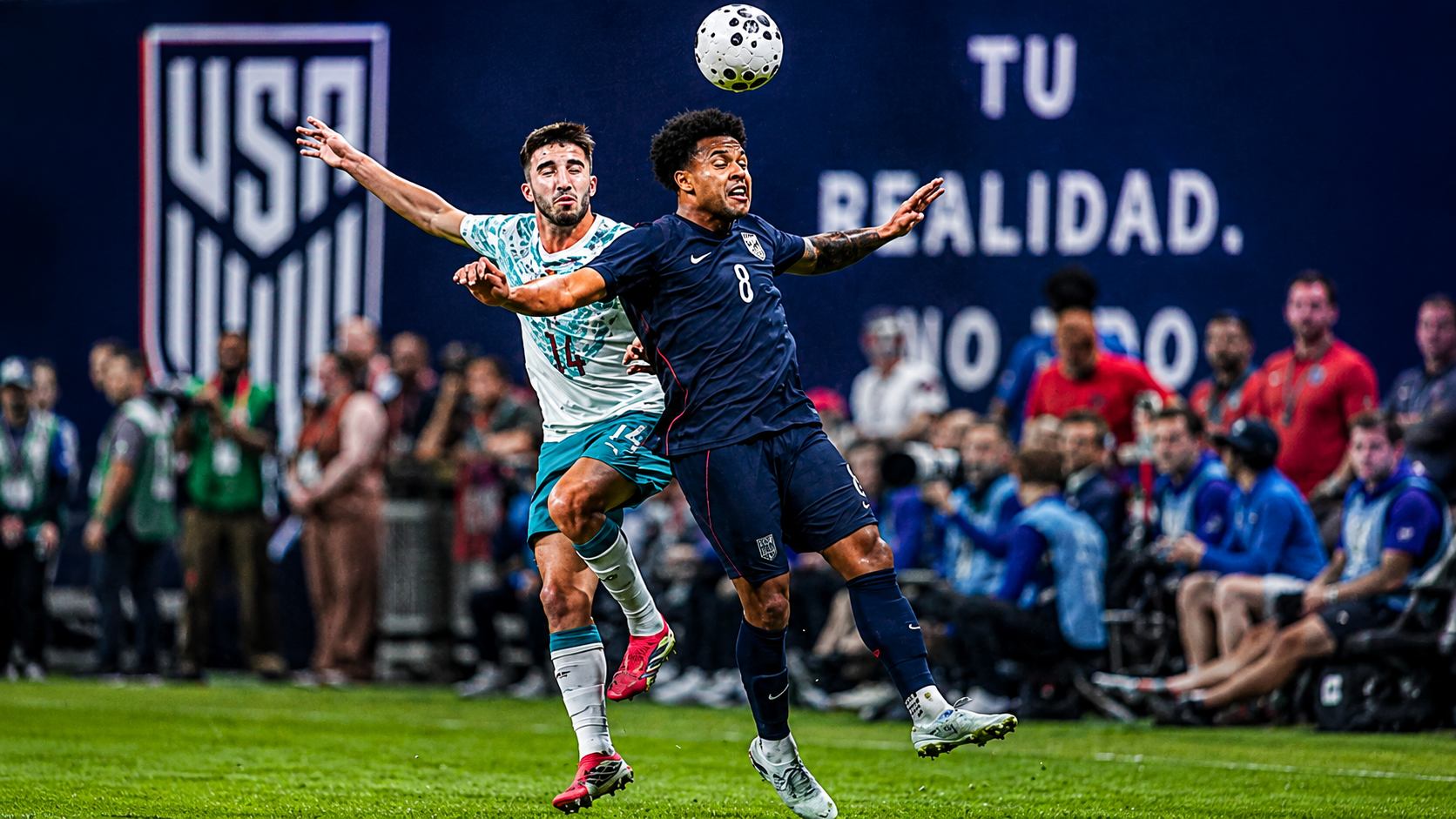
The U.S. men’s national team had a roadmap to victory ahead of their highly-anticipated clash against Portugal, then they got schooled in how football is earned at that level. Expectations from fans and analysts alike presumed a game of tactical chess, yet what transpired on the field revealed structural fissures within the American setup that Portugal capitalized upon with ease. It was not that they did not try, but a systemic failure in execution, positioning and reactionary coaching.
Tactical Miscalculations in Midfield Pressing
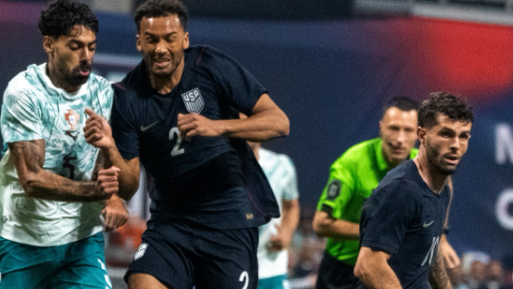
An expansive high-pressing style and disrupting build-up play was the nature of USMNT’s plan against Portugal. But this high-stakes gamble swiftly became an incoherent jumble. The forward line, rather than pressing the opposition as a unit, often began pushing high up the pitch detached from the midfield line. It opened huge gaping holes in the centre of the pitch that Portugal’s more skilful midfielders abused with ease.
Portugal quickly picked apart the first line of American press with simple one-and-two-touch passing, leaving space for players to run at a completely exposed backline. The USMNT midfielders caught in no-man’s-land could not recover quickly enough to close the arrows of transition. This disconnect all but rendered the energetic pressing identity Americans rely on zeroed out, turning their greatest strength into a glaring liability.
Positional Fluidity and Overloads Out Wide
The USMNT’s fullbacks are perhaps its most dynamic pair of weapons, and so the coaching staff for Portugal clearly saw something to exploit there. Although the American outside backs were making forays forward in search of width, Portugal punished their absence with brutal efficiency. Their flanks were in constant overload, as drifting forwards remained locked with overlapping fullbacks to get the American defenders into two-on-ones.
These were generally occurrences that the USMNT showed an inability to adjust around, unable to rotate their defensive cover quickly enough in such overload situations. And when the centre-halves went wide to help, it left gaping holes in the middle of the area for Portuguese runners to arrive unmarked simultaneously and threateningly late. Because of the failure to recognize that American wingers don’t communicate well with fullbacks, Portugal controlled both the pace and direction of wide attacks for all ninety minutes.
Inability to Progress and Predictable Possession
When the USMNT regains possession, their offensive transition didn’t show enough creativity to break down a compact Portuguese low block. It was slow, cumbersome and all too predictable build-up play from the back. More than this, center-backs wasted too much time, giving Portugal the chance to plentifully reposition in a disciplined machine-like formation and completely narrow gaps preventing fistball even moving through the central third.
With that engine room essentially choked out of the game, the USMNT began to resort to sending long balls over the top, or moving it uselessly across the backline. There was a paucity of verticality and an inability to progress through the centre. Without players checking into space to receive and face forward, the attacking trio was deprived of service, rendering the American attack a series of standalone individual dribble attacks rather than a collaborative threat.







Leave a Reply