

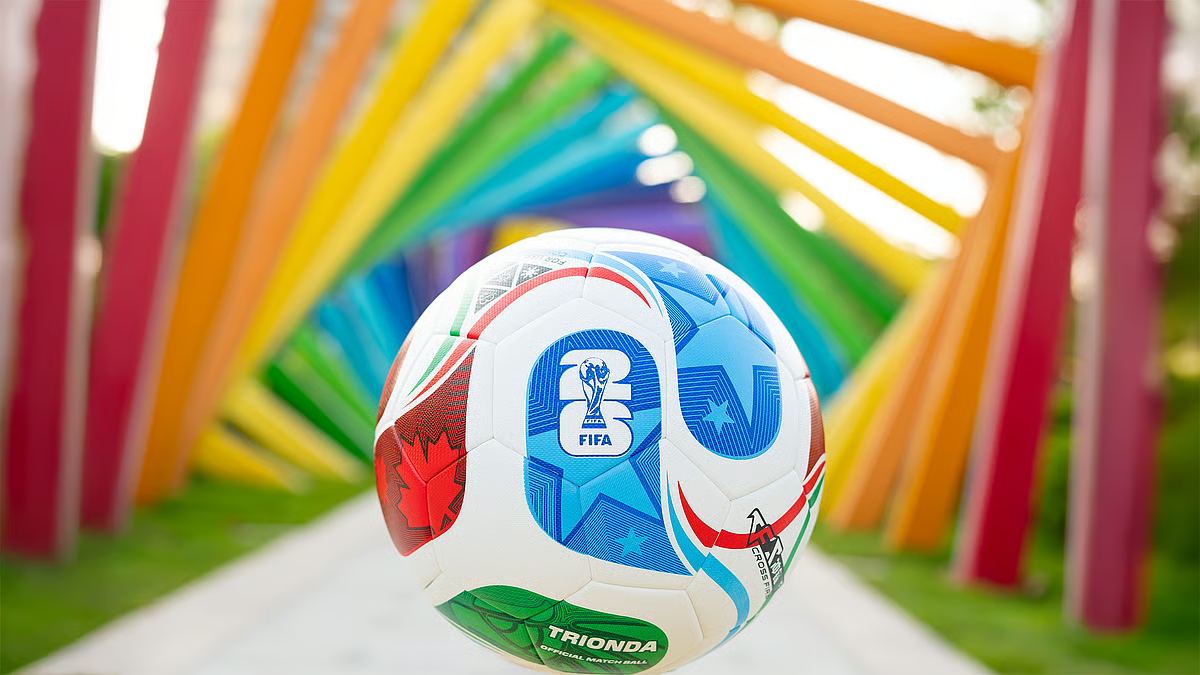
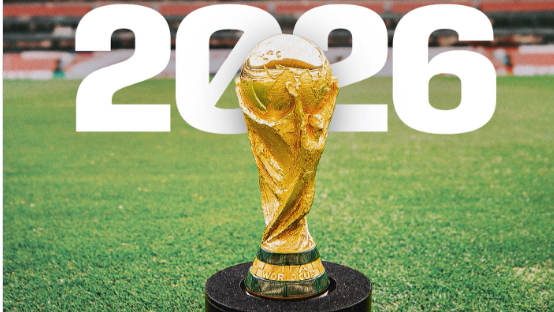
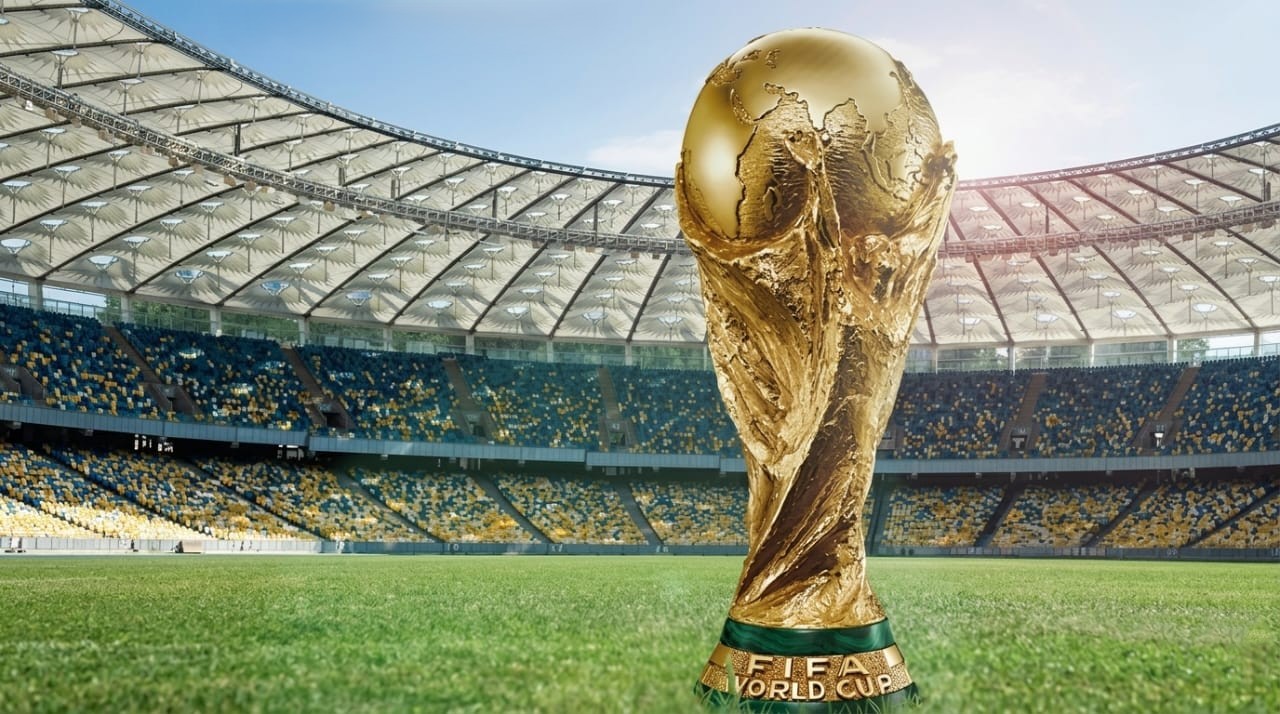
The 2026 World Cup will not be a ‘regular’ World Cup. It’s a watershed moment for football’s relationship with the fans. This will be the first time that the competition is hosted in three countries at the same time: it will be hosted in the United States, Canada and Mexico.
The tournament also brings about changes in the sport’s structure that could change the face of the sport worldwide. There is one major concept that emerges from all these changes: expansion.There’s one clear message here: expansion. It is a World Cup that has the potential to change the way football is played.
Koehler Book Reissued In Expanded Format
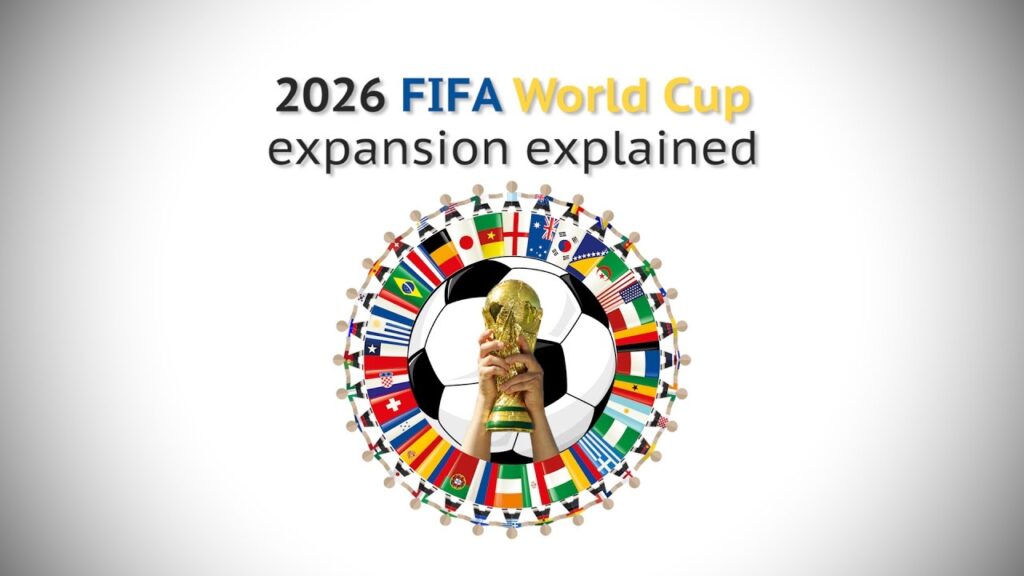
The one most significant change is the increase in teams from 32 to 48. A big change in the way the tournament works, and for the world. Increased representation and audience base and increased matches with more teams.
This is a once in a lifetime chance for the new football countries to compete on the grand stage. The countries that had difficulties to qualify have now a realistic chance to qualify. This boosts the interest of the region and introduces new fans to the football world.
The tournament will actually be running more than 100 matches in number, as compared to previous tournaments. This boost will not only provide more content for broadcasters, but also more opportunities for fans to engage with the content.
Aquaculture And Commercial Power
The World Cup coming to North America presents an opportunity to one of the world’s most lucrative sports markets. Especially, the United States has a large advertising budget, high infrastructure for broadcasting and enormous sponsorship opportunity.
The popularity of football has been on the rise in the region. This has been fueled by major leagues, tours abroad and international stars. Now the World Cup is becoming the driving force that can push this development even more.
This tournament is a great opportunity for global brands because it allows them to reach a wide range of audiences with a certain level of engagement that can convert into monetary. Sponsorship opportunities, merchandise and digital interactions are predicted to skyrocket.
The Rise Of Digital Viewership
The other big trend that has a bearing on the World Cup 2026 is the transition to digital consumption. Fans’ interest in football is no longer limited to watching on TV. Streaming platforms, mobile apps and social media have found a place of importance as well.
Younger viewers want convenience in watching the programmes. They are looking for highlights, short cuts, and on demand viewing – not full match broadcasts. This trend will likely be a big part of the game this tournament.
Broadcasters are making adjustments to embrace digital strategies in their coverage. Content that can be streamed across multiple platforms, interacted with and is being developed in real time will become a must have for grabbing audiences’ attention.
Time Zones & Global Accessibility
North America is not only a place of business advantages, but it also has access to difficulties as well.North America is a place of business advantages and as well as having access to difficulties as well, when it comes to global accessibility. Not all areas will have the optimal match times, especially parts of Europe and Asia.
For these, some games are likely to be scheduled late at night or early in the morning. This may impact on live audiences, particularly for the die-hard fans.
Digital platforms, however, could serve to fill this gap. The demand content, highlights and replays allow fans to keep up to date even if they miss a match. The change could impact the meaning of live World Cup following.
Many cultural watersheds
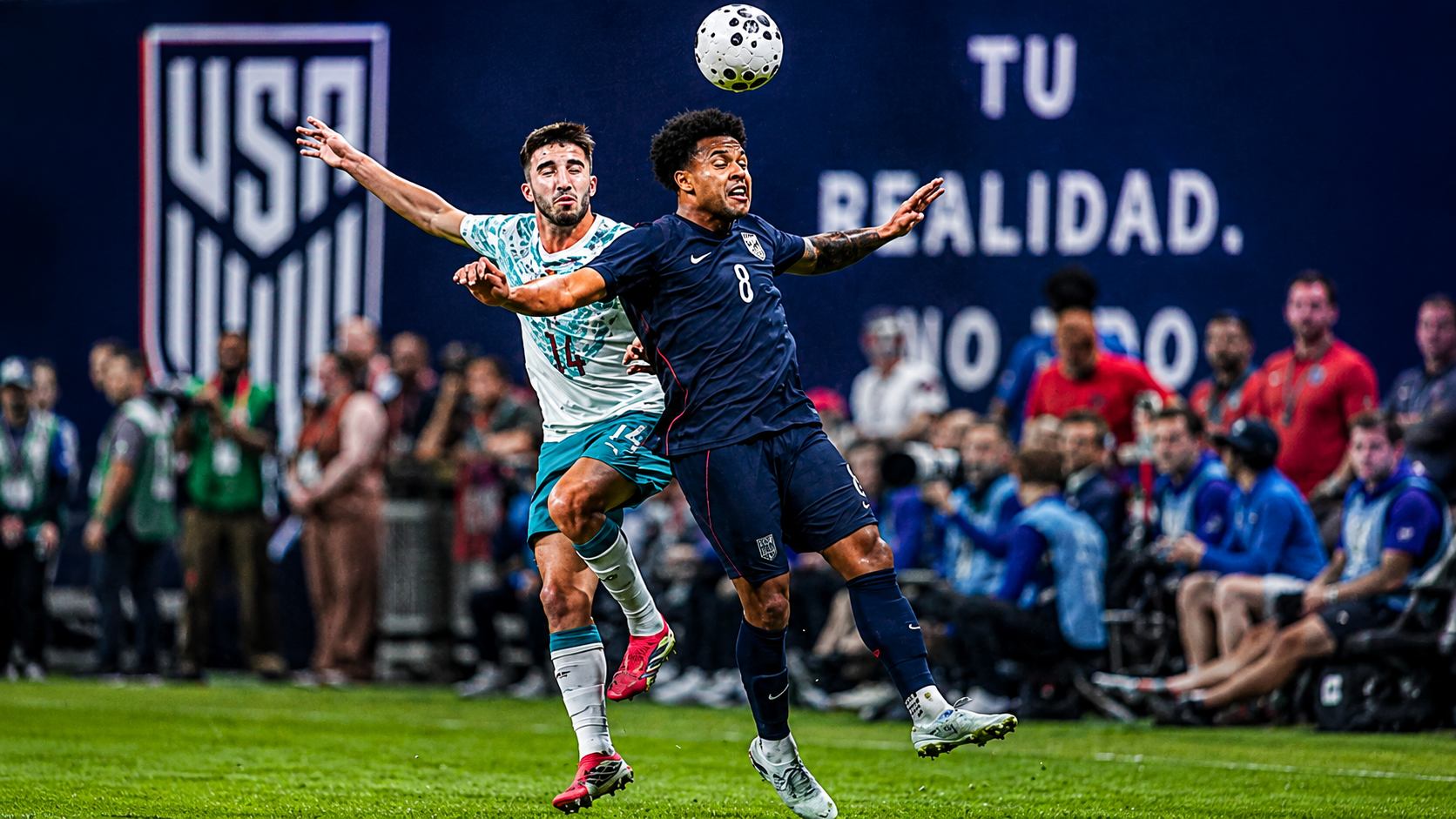
From a cultural perspective, the 2026 World Cup is also important. Historically, football has been a sport that has been played in certain regions of the world, such as Europe and South America. Another twist of culture comes into the spotlight as the tournament is being played in North America.
The experiences, stadiums, and sporting scene of fans who live in each of the nations that hosts a U.S. major league baseball team has its own special characteristics. This blend could be a new breed of World Cup complete with international football culture and North American entertainment.
It is expected to enhance the overall experience with great stadium, advanced technology and fan focused experiences. This might be used as a model for future tournaments and how they are marketed.
Youth Engagement And Long Term Growth
One of the biggest impacts of World Cup 2026 may be on the youth involvement. Young players and fans are inspired by watching players and fans from around the world.
A major role in expanding the sport of football on the grassroots level in North America, a sport where the grassroots acceptance of football is still in its infancy, this tournament could play a pivotal role in football for all. There might be an increased interest in youth academies, local leagues and school programs.
The expanded format increases the representation of countries, worldwide. This also helps to build the connection between the sport and the local communities and will contribute to the long term development of the sport.
Economic and infrastructure impact
The World Cup generates a lot of economic activity. Some of the key benefits for the host nations are infrastructure development, tourism and job creation.
There will be increased spending on sports venues, transit, and lodging in cities all over the United States, Canada and Mexico. This will not only provide support for the tournament but will also generate the legacy for the future tournaments.
The FIFA World Cup 2026 on a global scale is one of the most commercial events ever! If this event is successful, it could impact future events and their planning and execution.
Become a part of the New Era for Football
The FIFA World Cup 2026 is not only a sporting event, but a symbol of hope, progress, and determination. It’s the start of a new era in football. The three key trends – expansion, digitalization and globalization – are coming together to reshape the future of the game.
This match-up will be a challenge on how football can evolve to suit the evolving habits and business needs of its fans. It will also highlight the importance of being traditional and at the same time innovative.
The success of the 2026 World Cup could usher in a new era for world-class sports. It can engage new fans, establish new markets and consolidate the status of football as the sport with the greatest number of fans worldwide.



Leave a Reply