

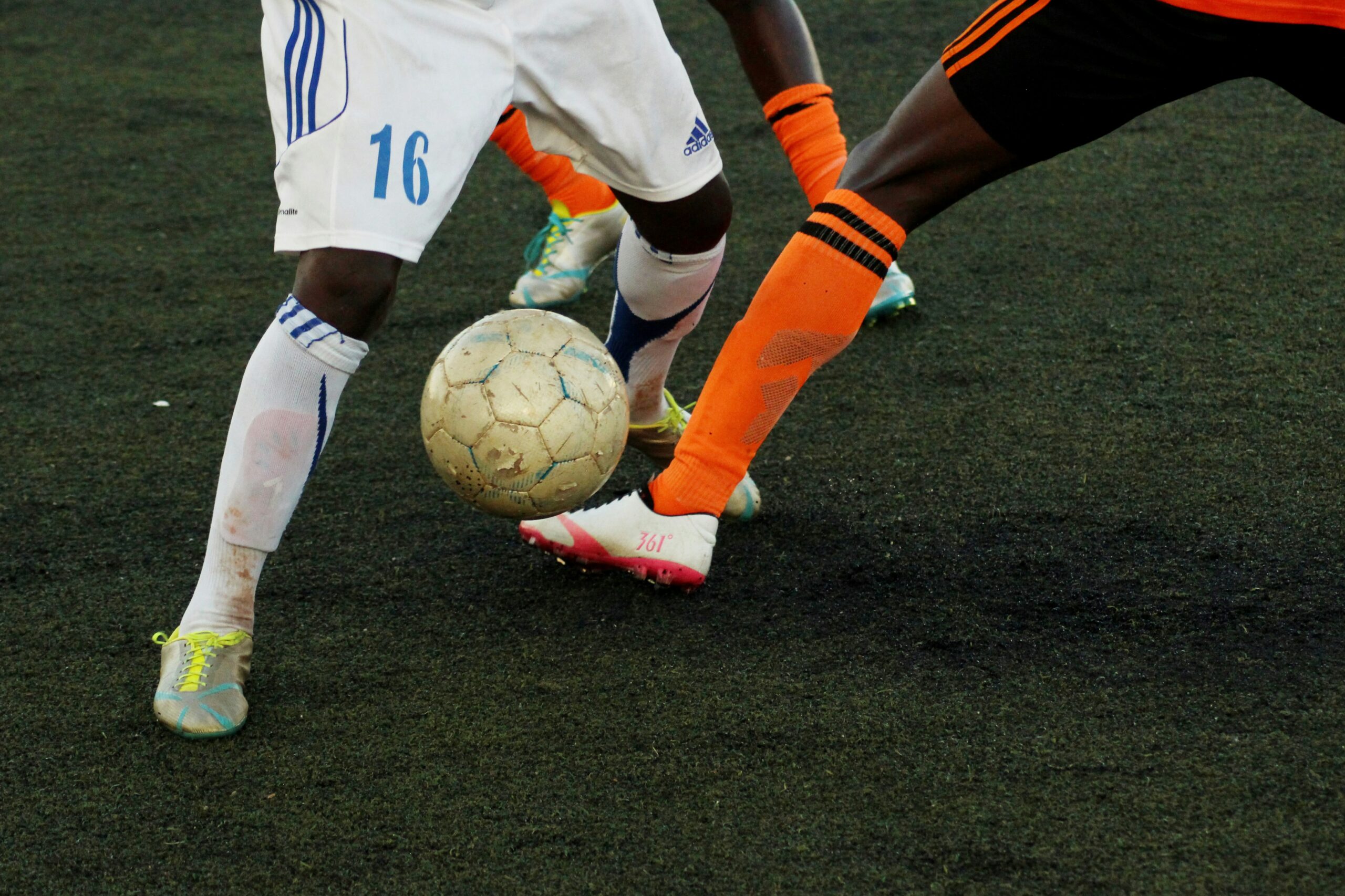
The semifinal of the Champions League was determined by narrow tactical differences, and not by general superiority. The quality of chances, defensive design, and performance at crucial moments all influence the results at this level. This game was no different, as possession did not necessarily equate to control of the outcome. An organized defense system and smooth movements finally divided the two groups.
Game Setup
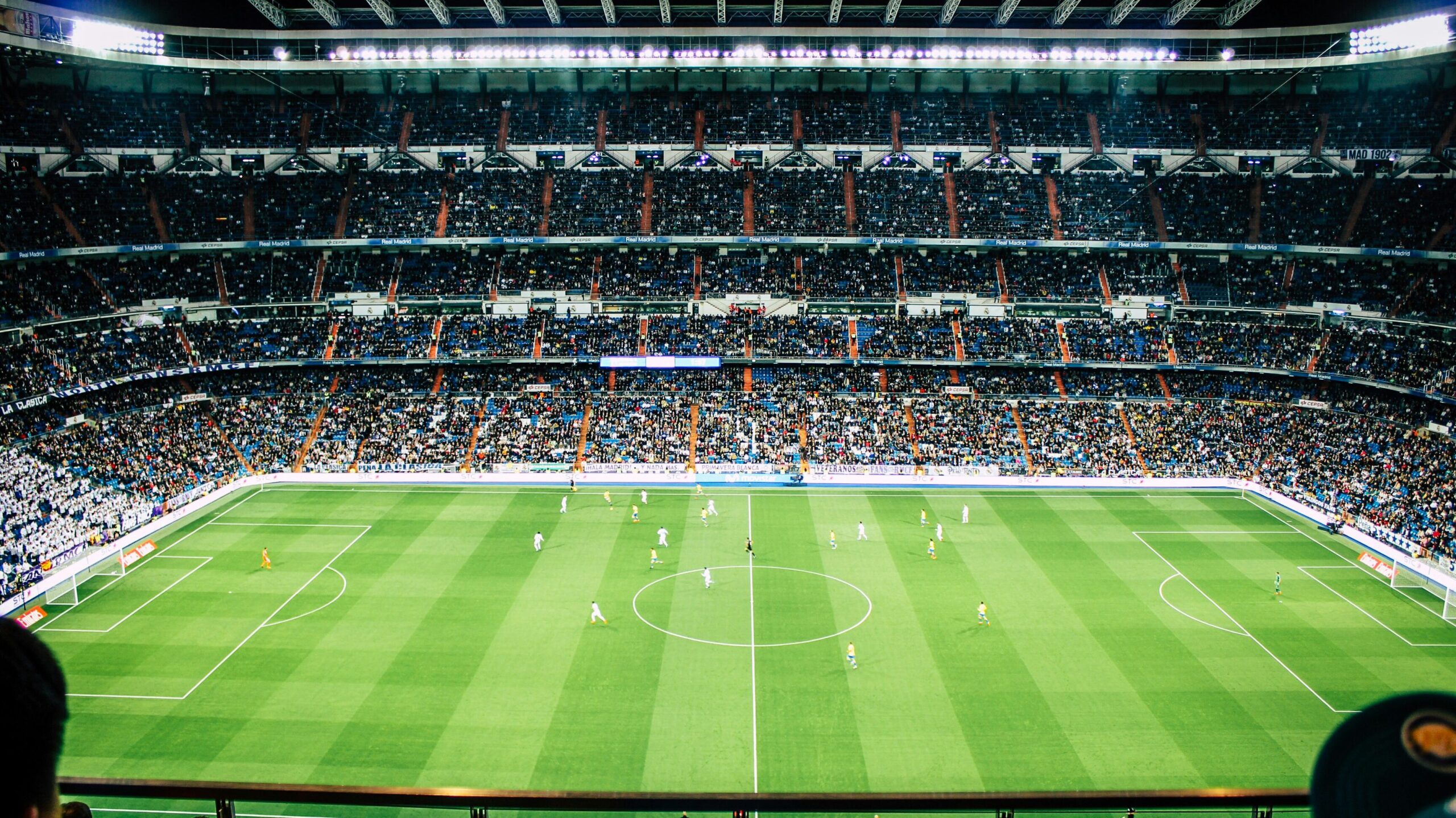
The two teams had two opposite stylesino the match. One side was structured possession and controlled through short passing and positional discipline. The other was based upon transitions and sought to take advantage of spaces soon after getting the ball back.
The distribution of possession in this game was rather predictable, with the ball being controlled by the control-based side more than 55 percent. However, this did not translate into higher-quality chances. The more direct team produced higher attacking results with less possession, which is a general tendency in recent knockout games in the Champions League when efficiency prevails over control.
The first half was on the safe side. Real Madrid and Manchester City chose defence over offence, while Arsenal and Bayer Leverkusen went with defence first and then looked at attack. This made for less line spacing and fewer clear opportunities.
Midfield Battle
The rhythm of the game was characterized by the midfield battle. The pressing side would block central passing lanes with a narrow front and push its opposition wide. This slowed the progressive and retarded the attacking build-up.
Both teams were high in passing accuracy in midfield, in the normal range of 85-90 percent that occurs at this level. Accuracy did not, however, mean control. Progression was the most important difference. The possession-based team had problems moving passes into forward motion, and the transition-oriented team was able to pass the ball more efficiently when they lost it.
This imbalance was manifested in the attacking measures. Although the control-oriented team had greater possession, they generated fewer expected goals, which means that the opportunities were of lesser quality.
Broad Areas And Accidental Making
Broad sectors featured in assault tactics. Fullbacks ran forward to stretch the defensive line by creating width, and wingers ran wide to provide space. This provided crossing and cutback opportunities, which are two of the most prevalent sources of goals.
In the majority of elite games, the goals are scored within the penalty area, and this was no exception in this game. The construction of attacks using broad fronts tended to result in deliveries into central areas, yet the defensive formation did not allow easy finishing.
Better coordination between the wide players and central attackers was seen in Real Madrid and Bayer Leverkusen. In the final third of the game they gained more touches in the box and better quality chances despite having less total attacks.
Defensive Structure
One of the most obvious differences between the two teams was defensive organization. The winning team retained a tight formation, and there was not much space between the defense and the midfield. The spacing between lines was always close, limiting central penetration.
This pushed the opposition to poor quality, which could be either distant shooting or under pressure. The possession-based team noted a decent amount of shots, but their anticipated goals were small, which indicates low quality of shots.
The other important factor was transitions. Manchester City and Arsenal were very slow to make their recovery after losing the ball. That meant some moments of instability, which Real Madrid and Bayer Leverkusen took great advantage of.
Key Moments
The turning points were determined by transitions and set-piece scenarios. The most crucial sequence was after a midfield turnover when a direct attacking move followed, which created a high-quality opportunity. Such situations normally contribute approximately 15-25 percent of goals in professional football.
Set pieces also resulted in pressure sustained. Although they did not score directly, they enabled the winning side to possess the upper hand in terms of the territory and to achieve repetitive stages of attack.
These instances brought out the efficiency gap. Although both teams enjoyed the moments of control, it was only one that translated significant moments into valuable results.
Substitutions Impact
The tempo and structure of the second half were affected by substitutions. New players brought in new energy and tactical changes,e especially in midfield and attacking transitions.
Substitutes play a role of about 20 to 25 percent of goals in the elite competitions. In this game, they had a more structural rather than a statistical effect. Substitutes were employed by the winning side to maintain compactness and continue to press.
The losing team also made the same changes, but was unable to advance the ball. Their patterns of attack were predictable and so could not be used to disrupt the defensive block.
Game Management
The final stage of game management was hieratic and strict. The dominant team also slowed down the pace, passed the ball around in secure positions, and did not take unwarranted risks. This curtailed the efforts of the opposition to revive.
Deeper ball retention and passing sequences that were controlled served to control time. The defensive formation was small, and it did not allow opportunities in the late stages.
The backside added urgency, but was not structured. They were more direct and less organized in their attacks, which led to low-probability attacks instead of clear-cut opportunities.
Where It Was Lost
The losing team had the ball,l but still did not meet important metrics of attacking. They had low expectations of what they were supposed to accomplish, and their touches within the penalty area were minimal. This means that their domination failed to translate into a significant threat.
There was an inconsistency in decision-making in the final third. Passes and low-quality shots, which resulted in forced passes, were frequent. On the defensive side, their response in transition was slow, and this created gaps that were exploited.
There are only a few structural errors that can make the difference at this level. The trend was also apparent during the game.
Why It Was Won
The victorious party was a blend of defensive discipline and attacking efficiency. Their small size restricted their chance of opposition, and their transitions created better opportunities.
They carried out their playing strategy. They did not emphasize possession, but rather the quality of chances and balance of position. This efficiency was in their anticipated goals output. The disparity was not in general management but in performance. The advancing team did not outplay the game in quantity, but in quality.
This semi-final proved that possession is not always the key to success in knockout football itself. More decisive factors are structure, efficiency, and decision-making in key moments.
The result was determined by the balance between control and effectiveness. One team held on to the ball without getting into the opposing team,m but the other team made the most out of the little chances by being better organised and executing better. Dominance is seldom a determining factor at this level. The decision is made on how teams handle space, transitions, and critical moments of a highly competitive structure.





Leave a Reply