

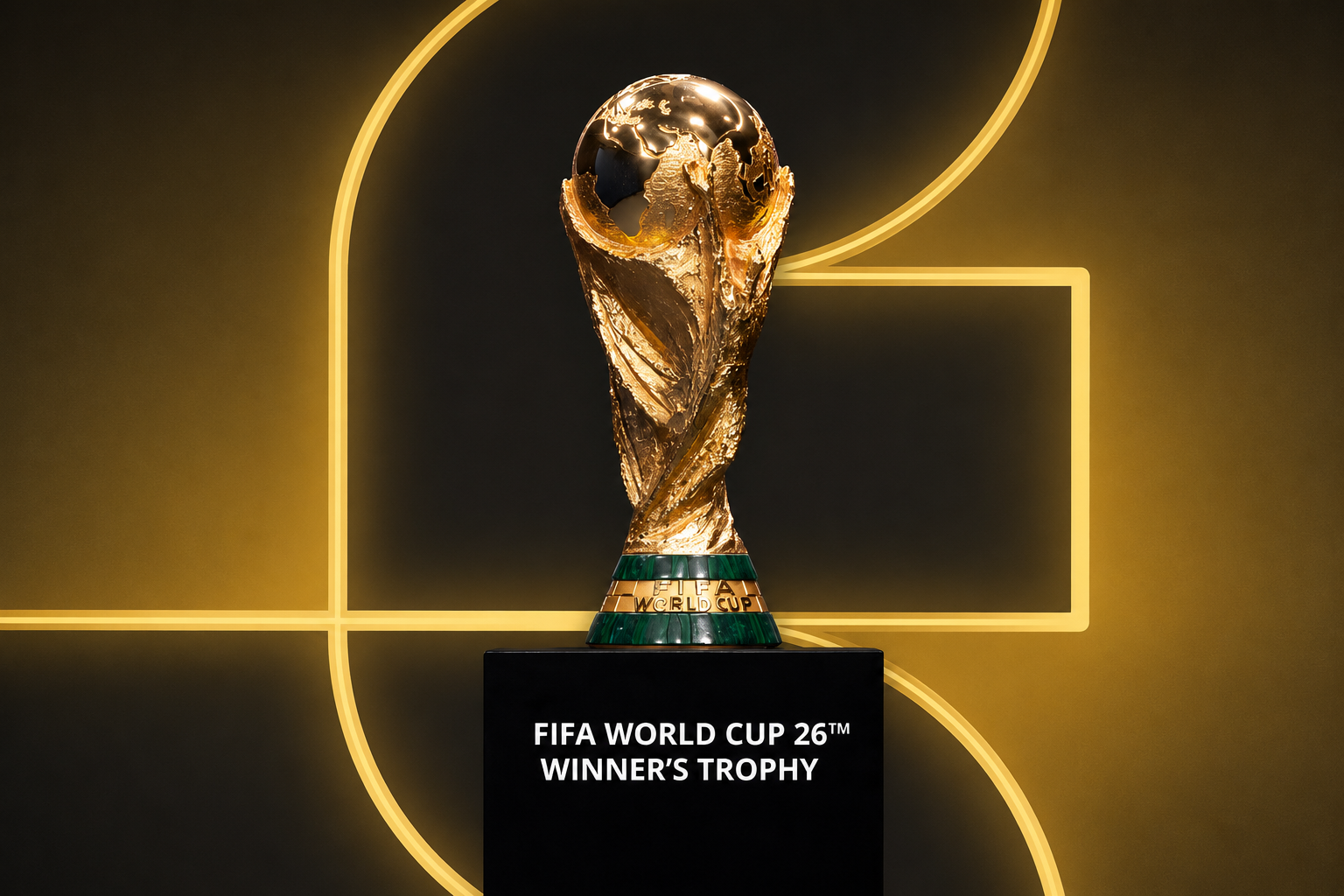
Somewhere in the summer of 1994, a training ground with a fence that had a hole, an 11-year-old kid and his group of friends peeked through the hole and watched the Brazil National team, Romario, Bebeto, and the entire lot playing like a dream. Chris Wondolowski, the 11-year-old kid who later grew up to become MLS’s all-time top scorer, recalls to The Sporting News that it was something really amazing. This is what the World Cup does to people; in 2026, history is going to repeat. The FIFA World Cup 2026 comes to the United States in a little more than a month – and when you believe that the World Cup in 1994 was a breakthrough moment in American soccer, you are not even there yet.
Since this is where big 1994 was, in fact, we can have the right starting point.
‘Over 3.5 million fans attended those games in nine cities throughout the USA’
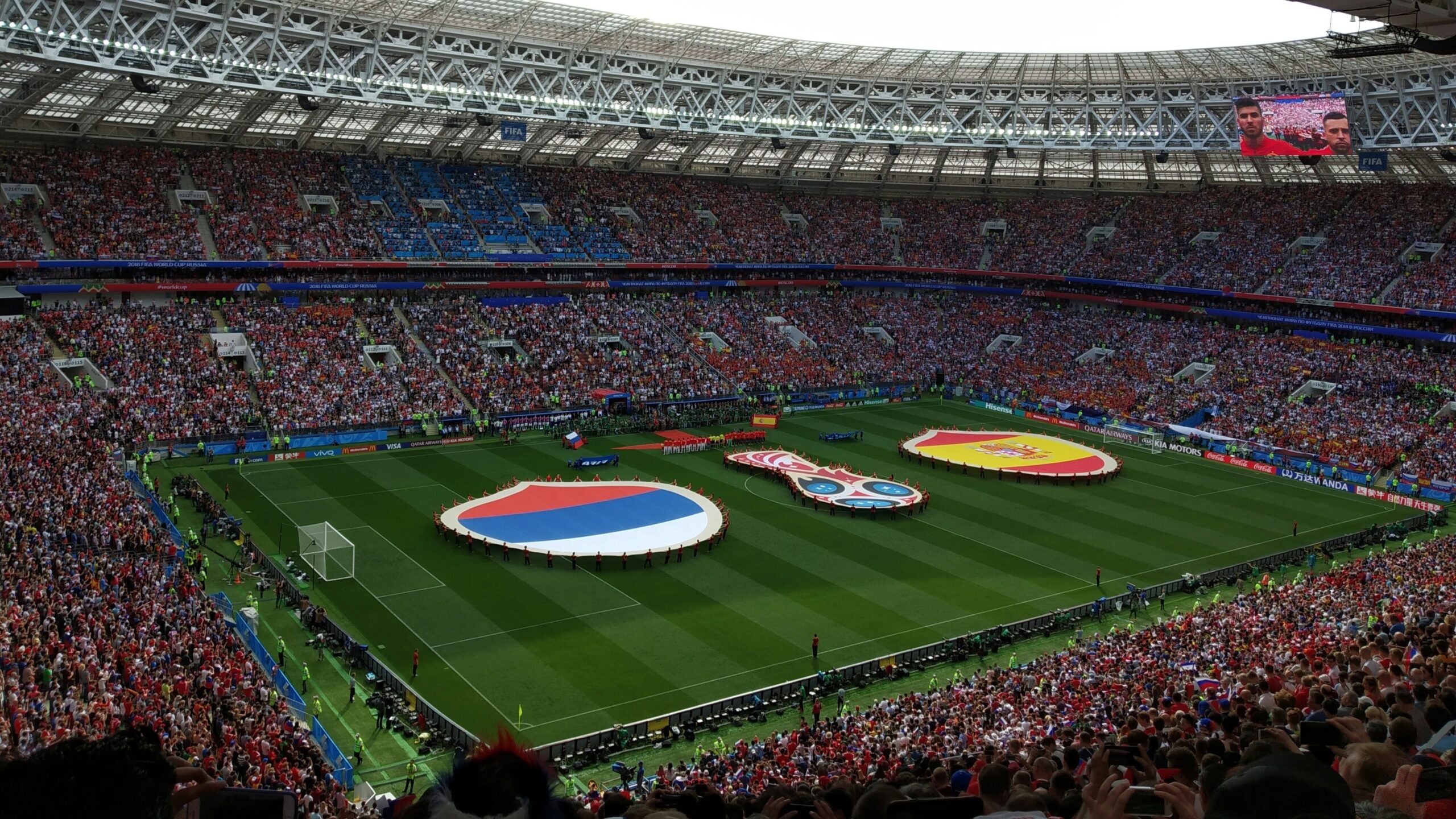
A World Cup attendance record that, even three decades later, has not been surpassed and is still held by FIFA and Wikipedia. The tournament had a surplus of approximately 51 million. Five million dollars of that was directly lent to MLS in seed money to get the league off the ground, as former USSF president Sunil Gulati affirmed to ESPN. In fact, FIFA conditioned the delivery of the hosting rights on the establishment of a professional soccer league in the United States, and thus was born in 1996 the MLS. Since then, it has grown into a 30-team league. Soccer is regarded as the third most popular sport among the younger generation in the country, according to Ampere Analysis. The USMNT is ranked 16th in FIFA with its official world ranking of April 2026. Every bit of that, every bit of it, is all the way down to this one summer and one tournament and one kid looking through a hole in a fence. Suppose now, however, that the World Cup returns and the entire country is on television.
The magnitude of 2026 is then something, quite frankly requires time to sink in. It is the first World Cup that has 48 countries, they will play 104 matches in the United States, Mexico and Canada, of which 78 will be in the United States in 11 different cities, as FIFA confirmed. In March 2025, FIFA, the World Trade Organisation, and independent analysts OpenEconomics jointly estimated the global gross output of the tournament at $80.1 billion. To the United States alone, the same study estimates gross output of $30.5 billion, an increase to the US GDP of 17.2 billion, and nearly 185,000 full-time equivalent jobs within the hospitality, transport, media, and services sectors. And even more than all those figures, there is another thing that is going on that is equally important. A Nielsen survey quoted by Axios found that 37% of Americans consider their soccer interest to increase within the next 18 months. A study conducted by Samford University identified that by 2018 to 2024, the number of Americans who frequently viewed non-American soccer increased by 60 per cent. of 31.4 million viewers to more than 50.3 million viewers. It is not a spike. That is a shift. And the World Cup is going to pour fire on to it.
This is what your boss, your editor, and frankly anybody who has the interest of the future of the sport in this country must be listening to very keenly. The 2026 tale is not going to be penned down in the stadiums, and that is the truth. It will be composed of what will occur after the final goal is earned and the final fan leaves. The three host countries, namely the US, Canada and Mexico, will receive 1 per cent of the gross revenues, projected to be 13 billion, that the tournament is expected to raise, as ESPN reported. Since the US is hosting 75 per cent of all matches, it is the one that will get the biggest one: about 100 million, as several sources who were interviewed by ESPN said. JT Batson, the CEO of USSF, is already aware of what goes on with that money. It is directly into the Soccer Forward initiative of US Soccer- a programme that is meant to directly address one of the largest issues the sport has had in America, the pay-to-play system, which has been locking out talented children over the years due to their families being unable to afford the cost. What is exciting about the $100m is that we will be able to make very targeted investments in participation and growing-the-game types of initiatives, Batson told ESPN. This is what legacy really looks like. Not only the tournament itself– but the doors which it opens years after it is past. And leaving those doors open, 2026 will not only be remembered as a great World Cup. It will be the time when American soccer will be transformed forever.




Leave a Reply