

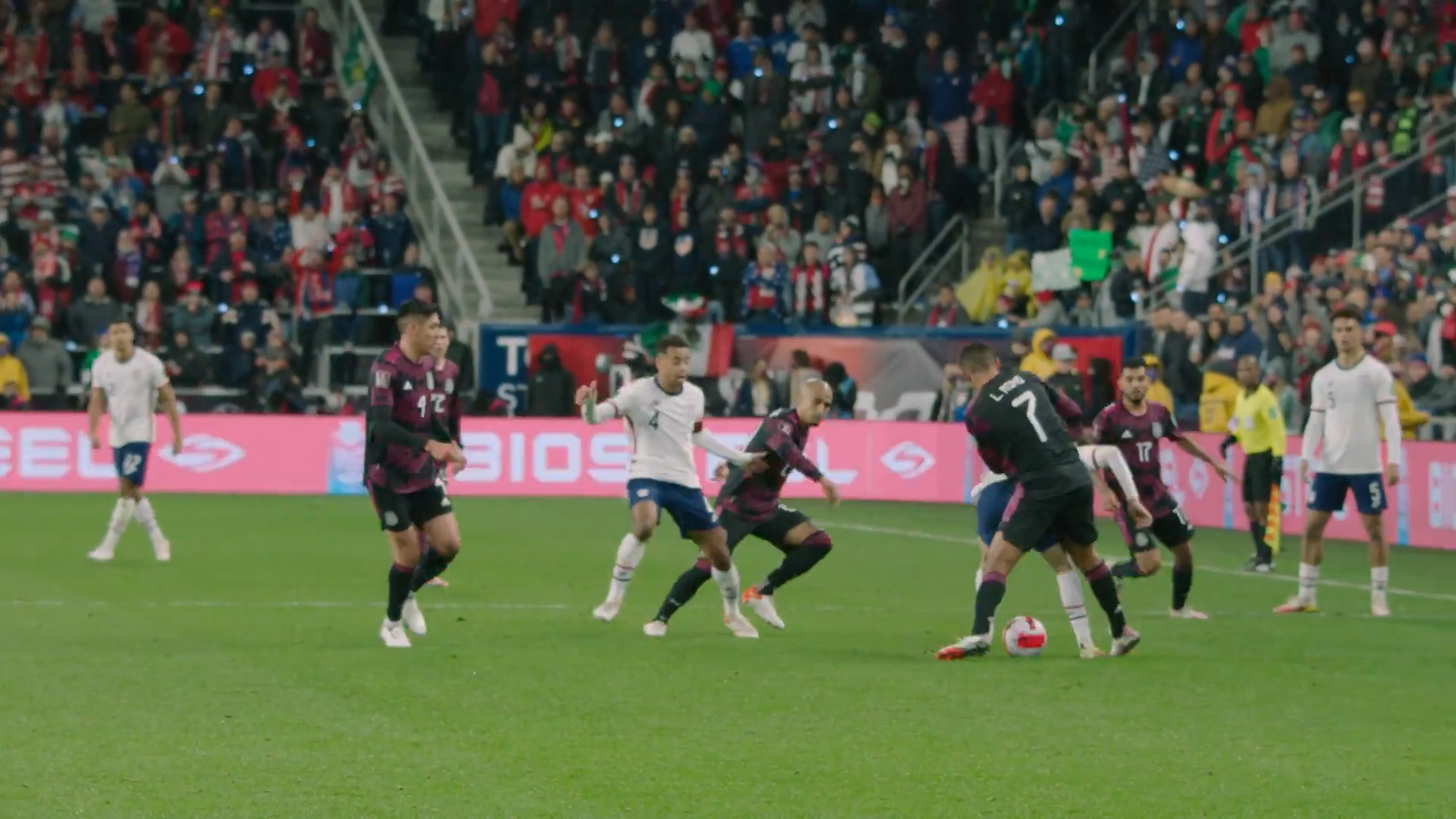
It was not just a result that was achieved during the latest encounter between the United States and Mexico. It gave a clear perspective of the tactical composition of both teams, their efficiency in all the important stages, and the general control of the game. The contests between these two sides are normally characterized by intensity, but this match was characterized more by organization and performance.
This discussion highlights tempo management, central orientation, pressing, and decisive moments that had an impact on the result.
Match Tempo and Control
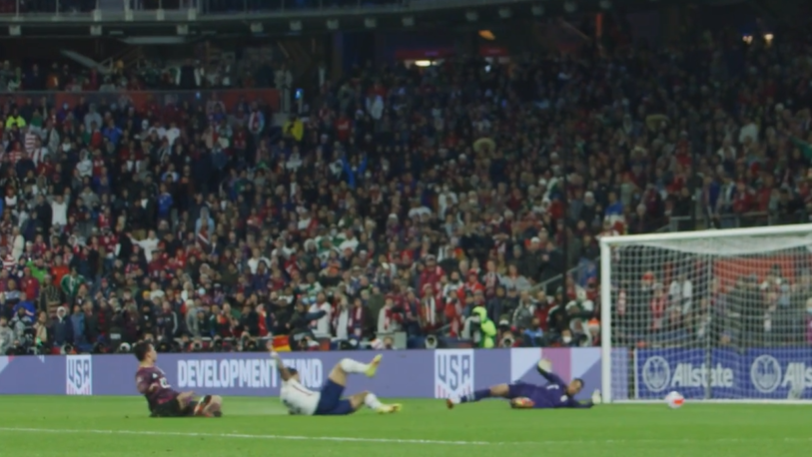
It was an intense game, and both teams were putting early pressure to disturb the build-up play. During the initial stages, the ownership was often disputed, and the changes took place very fast as both sides pressed violently.
The United States’ possession was approximately 40 percent but was getting better in terms of structure and game management as the game went on. Their emphasis was not on having possession of the ball for long stretches of time, but on creating structured defence and fast transitions to control game moments. They moved forward by direct passing and good progress to the next area, thus minimising the amount of congested passing that would have been necessary. Under pressure, on the other hand, Mexico struggled to hold on to the ball and more and more turned to direct passes to beat midfield which affected their overall build-up and prevented them from developing attacking play over the long term.
Midfield formation and Ball Movements
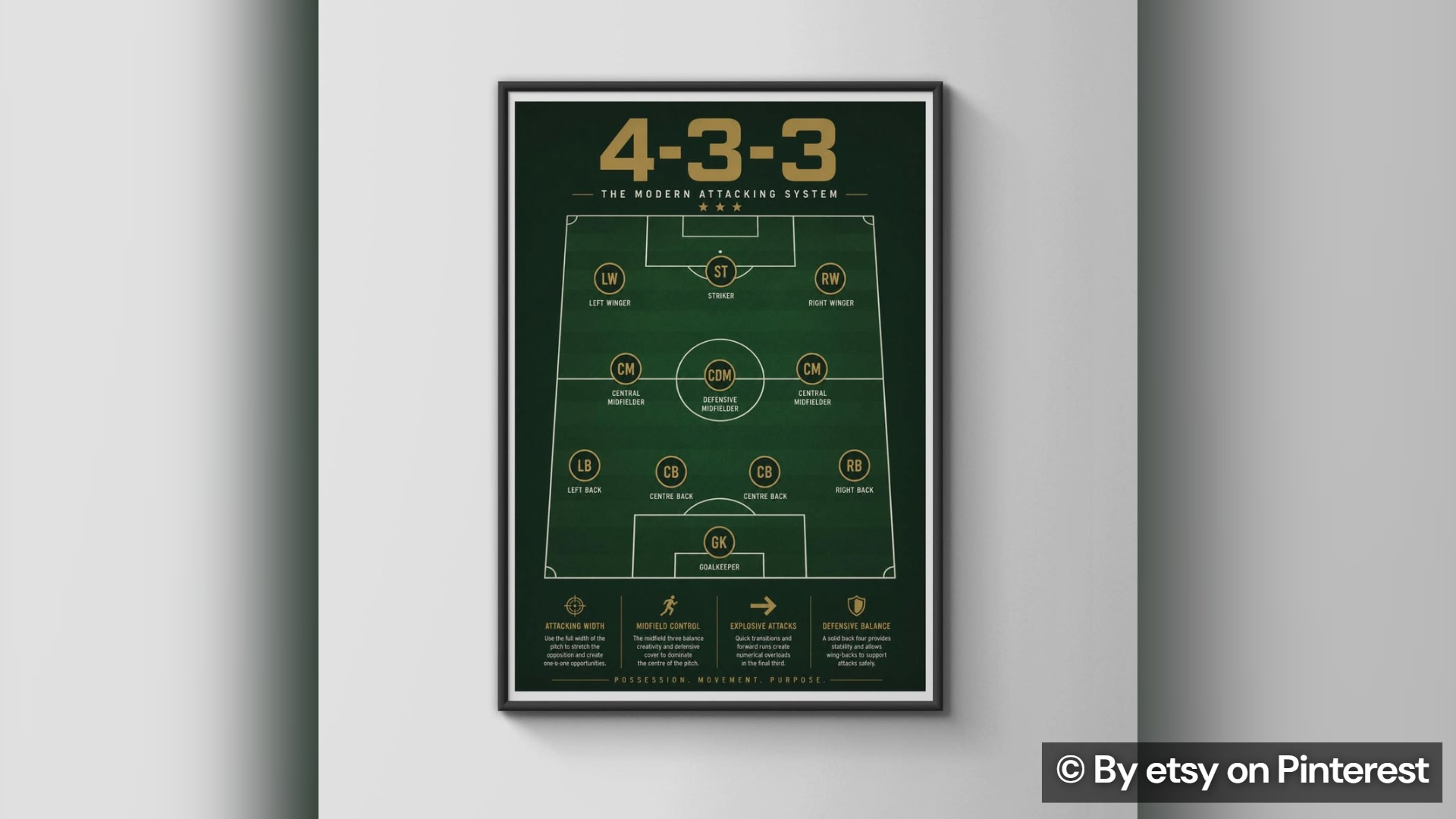
Midfield control was a key factor in defining how the match would flow. The United States had a tight spacing of midfielders, enhancing passing effectiveness and decreasing the number of turnovers. This formation enabled them to continuously move the ball forward into superior positions.
Mexico was struggling to develop via central strategies. When pressured, they were also prone to longer passes that decreased the build-up efficiency and resulted in lost possession. This hindered their capacity to develop organised attacking chances since they did not have controlled progression.
The contrast between the midfield structures led to the United States making more passes in the final third and maintaining more attacking sequences.
Defensive Shape and Pressing Systems
Both teams played hard, but in different ways. Forward players started the attack, and midfielders closed passing lanes. The United States used a well-organised pressing system. This restricted their capacity to build in the central areas and compelled them to build in the wide ones or not to build at all.
It was Mexico’s pressing that was disjointed and uncoordinated. The United States was able to get around pressure phases and move the ball effectively through the midfield/defensive line gap. Mexico was unable to maintain a compact defence for extended periods, particularly in transitions.
Offensively, the United States was compact, with little room between the lines, and limited good opportunities. Mexico, on the other hand, lacked organization in defensive transitions, especially on the back of their own defense, which gave the U.S. a chance to capitalize on open space and attack quickly.
Use of Width and Attacking Patterns
The United States made effective use of wide areas to stretch Mexico’s defensive structure. Full-backs moved forward on a regular basis, assisting wingers and providing a sense of numbers on the flanks. This strategy made it more difficult to get into the penalty area and compelled Mexico to defend a larger area.
Large numbers of the attacking patterns of the United States started from wide positions where they could make crosses or cutbacks into threatening positions. Mexico also tried to rely on width, but their delivery into the box was not accurate, and that decreased the efficiency of their attacks.
Critical Times and Creating by Chance
It was a few high-impact moments that decided the match. A transition sequence resulted in one of the most crucial phases, as the United States recovered the ball in midfield and proceeded rapidly to the final third, to produce a high-probability scoring opportunity.
The other critical incident was caused by the failure of the defense on the part of Mexico, where time to recover was lost, and space was created in a hazardous zone. At this stage, these are usually defining moments as far as the results are concerned, especially in games that have fewer clear-cut chances.
The United States produced more on-target shots and higher-quality opportunities in general, demonstrating superior effectiveness in crises.
Impact of Substitutions
Substitutions affected the latter part of the game, and more so to the United States. New players allowed the preservation of intensity in the pressing and organization of the defensive line and avoided a decrease in the performance.
Mexico made some changes but failed to make a significant change in the movement of the ball. Their inability to create momentum or raise the output of attack in the last phase was hampered by the absence of the contribution of the bench.
Where Mexico had gone astray
The main problem with Mexico was that it lacked efficiency in buildup and final-third implementation. They failed to retain possession when pressured breaking the continuity of the attack. The third third was unstable in decision-making, and the attacks were frequently terminated with poor-quality attempts.
On the defensive side, the changes were an issue. The lack of reorganization upon loss of possession created gaps, which were used by the United States to take advantage of the space. At this level, structure throughout the 90 minutes is necessary and Mexico could not do it continuously.
The success of the United States
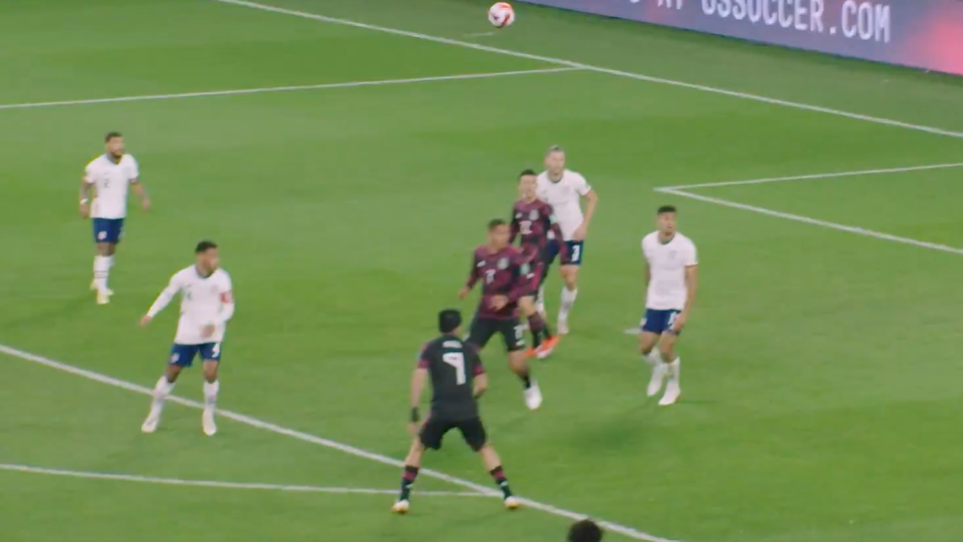
The United States integrated organized piling, organized pushing, and tight defending. Having the power of possession minimized the pressure on the defense as well as providing additional opportunities in the high-level positions.
They used controlled play and direct attacking transitions, so their strategy was less predictable. More significantly, they transformed crucial moments into existing benefits as well as defensive stability.
This game brought to light the advancement of the United States in terms of tactics and control of the game. The outcome was characterized by their domination of the midfield, effective pressing, and guided by their capacity to exploit critical situations.
Mexico had intensity of competition but lacked structure and consistency. Midfield transitions and defensive transitions will also need to improve to compete better in future matches in the high levels. This is a match that can be used as a clear benchmark of both teams as they get ready to tournaments in the future and where aspects to be improved.








Leave a Reply