

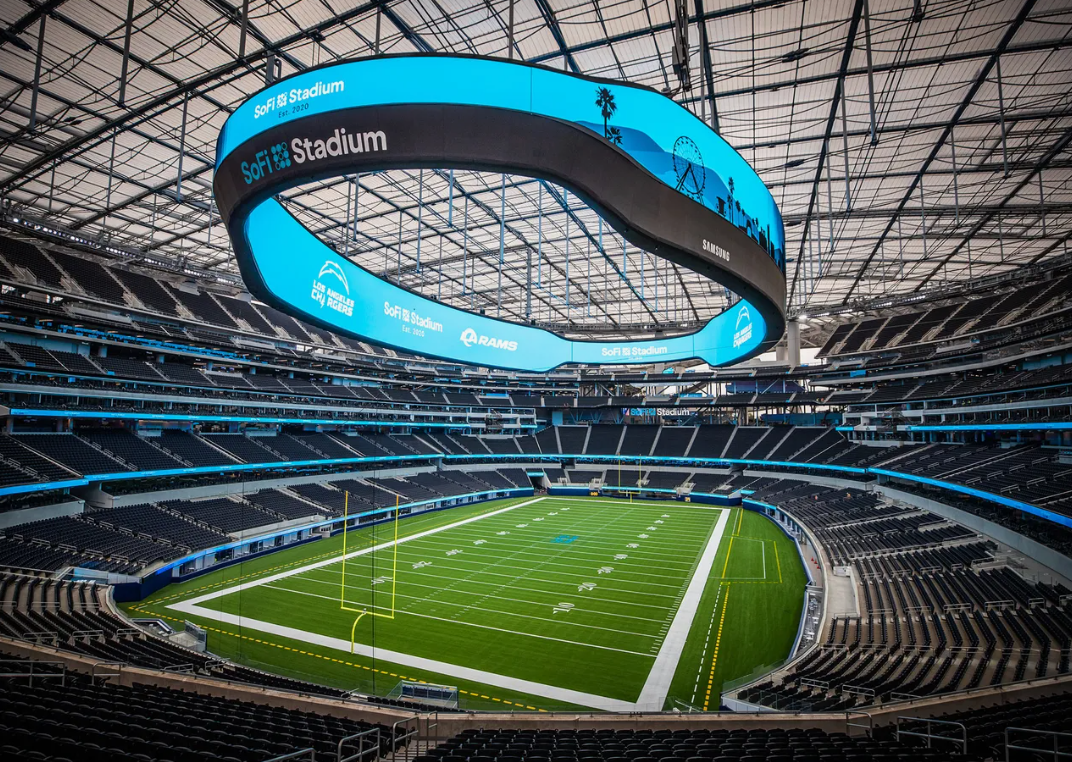
The 2026 FIFAWorld Cupp will be the biggest football World Cup in history, with the United States being the hub of the tournament, as the main host. The US will determine the type of experience fans will have at this expanded tournament with 11 host cities, most of the knockout games, and some of the largest stadiums in the world. This guide splits all the US venues, the structure of the tournament, and what fans can expect in reality, according to verified and estimated information.
Tournament Snapshot
The tournament will be organized between June 11 and July 19, 2026, and it will be composed of 48 teams with a total of 104 matches. This is a significant increase from the former format of 32 teams. There are 12 teams of four people in the new structure. The two leading teams in each group, as well as the eight highest-ranked third-placed teams will proceed to a Round of 32.
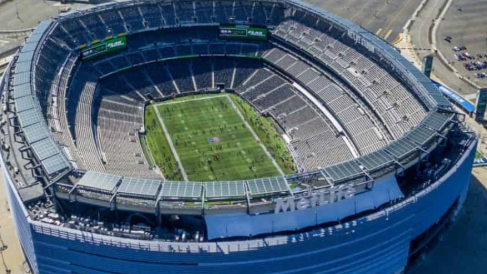
Most matches will be hosted in the United States particularly in the later stages. The last one will be held at MetLife Stadium, New Jersey that has a capacity of about 82,500. The amount of spectators attending the tournament in North America is projected to be over 5 million thus making it the most attended world cup in history.
US Cities Overview
The 11 host cities in the US are separated into three regions to control traveling and planning effectively. Los Angeles, Seattle and San Francisco Bay Area are part of the West. The Central region encompasses Dallas, Houston and Kansas City. New York New Jersey, Miami, Atlanta, Boston and Philadelphia are all part of the East.
This area cluster plays a major role in travel planning by fans. The United States covers a total of four time zones and flying across countries may take five or six hours. The best approach to attend to several matches is to concentrate on one region at the group stage.
West Coast Venues
Some group stage and knockout matches will be hosted in Los Angeles, Seattle and San Francisco Bay Area. These cities have a reputation of good football infrastructure with established major league soccer teams as well as regular attendance of international games.
The time of matches in the West Coast would probably coincide with late evening in Europe and morning to early afternoon in Asia, which maximizes viewers around the world. The stadiums available in this area are between 68,000 and more than 70,000, which guarantee big crowds on matchdays.
Central Region Advantage
The number of matches that Dallas will be hosting is expected to be the highest, and the number of matches is likely to be between 8 and 9. The standard capacity of the AT&T Stadium is approximately 80,000, with the possibility to increase it to 90,000, which is one of the largest throughout the tournament. It will also play host to one of the semifinals, making it the center of important knockout action.
The Central region is fortified by Houston and Kansas City with new stadiums and excellent logistical conditions. This is a region that is geographically central and thus one of the most effective options for fans who wish to have several matches without travelling long distances.
Eastern Region Spotlight
The eastern region bears a lot of weight in the later stages of the tournament. The last will be carried out in MetLife Stadium in New Jersey on July 19. This venue will only accommodate approximately 7 to 8 matches, including major knockout matches.
Atlanta is generally predicted to host a semifinal because of its big stadium capacity andinfrastructures. Miami will be hosting high-profile matches, such as knockout games, and will appeal to a high international following because it is located and well-connected. Boston and Philadelphia bring a historical sporting interest and a regular fan base. The Eastern region stadium capacities are usually 65,000 or above.
Match Flow And Scheduling
The group phase will last more than 2 weeks, then the Round of 32, with a new knockout phase. After that, games will be held nearly every day, forming a very busy schedule.
The time zones will significantly contribute to the match time. Kickoffs will not be the same in different regions, and this will influence the attendance in the stadiums and the international television schedules. When traveling to watch games in various venues, fans need to considerthe time difference and the time of traveling back.
Fan Expectations
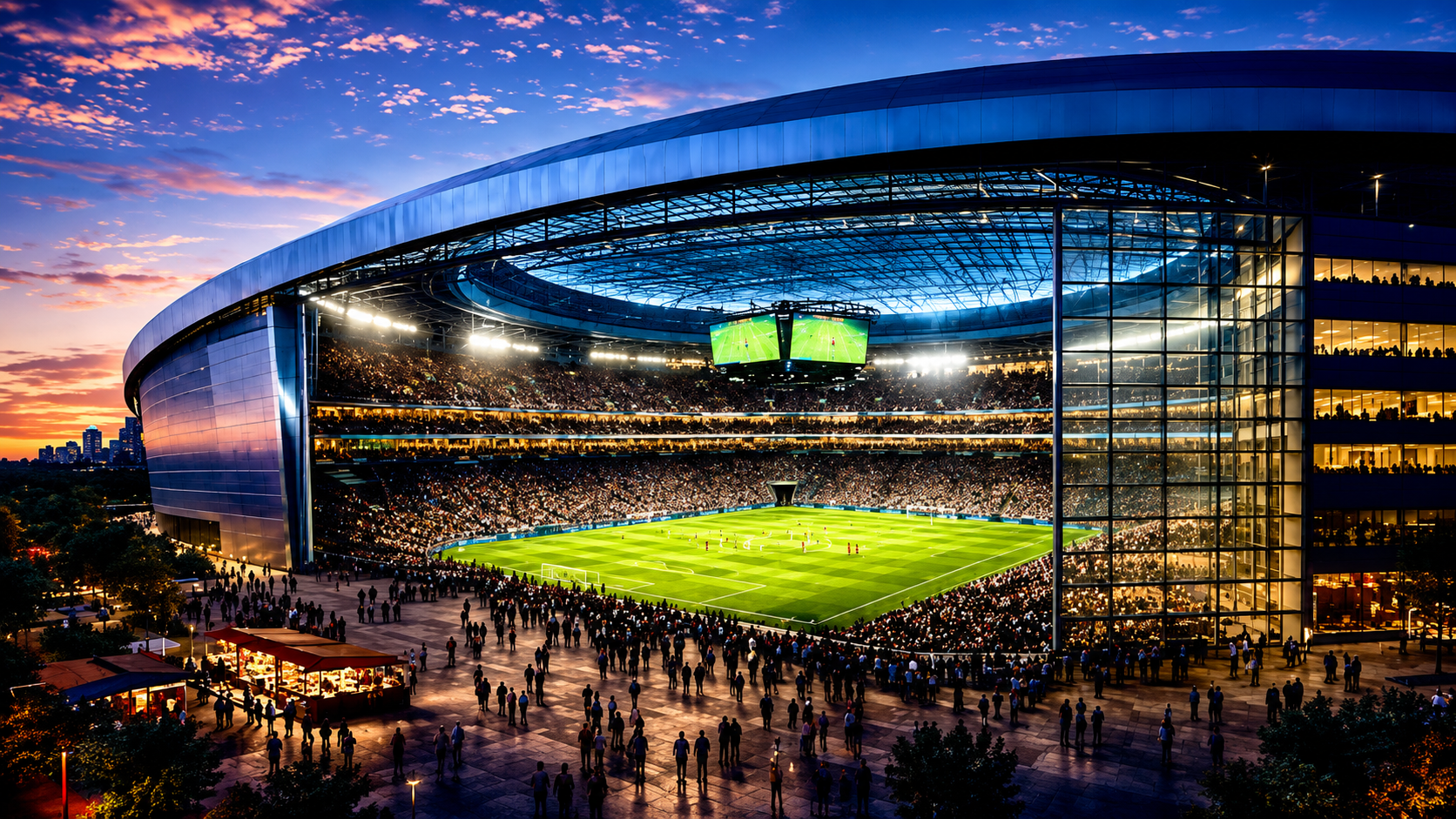
Big stadiums, modern infrastructure, and attendance are some of the expectations that fans should get when they attend matches in the United States. The vast majority of stadiums are made to accommodate American football and have a capacity ranging between 65,000 and 82,500.
One of the factors will be travel planning. The host cities are separated by considerable distances, and domestic flights will be required to move across regions. The most efficient way is to choose one region in the group stage.
Cities like New York, New Jersey, Los Angele,s and Dallas will have the highest demand for the tickets. It is hoped that these venues will host the most high-profile matches, including knockouts. Planning will be essential, as early as possible, to get tickets and accommodation.
Climate is another factor to consider. Cities such as Miami and Houston will be hot and humid during June and July, whereas Seattle and San Francisco will be mild. This is capable of creating an impact on matchday experience and travel preferences.
Planning Strategy
An organized strategy will enhance the experience tremendously. Attending more matches is more likely given the approach of the Central region, as it has a larger allocation of matches and a central geography.
Focusing on Eastern cities like New York, New Jersey, and Atlanta will be a more viable approach to fans who want to watch knockout matches. It is anticipated that these places will have the largest निर्णjive fixtures.
Consideration should also be given to budget allocation. Group stage games will be more flexible and available, and the knockouts will be fewer and costlier.
The reason why this World Cup is special
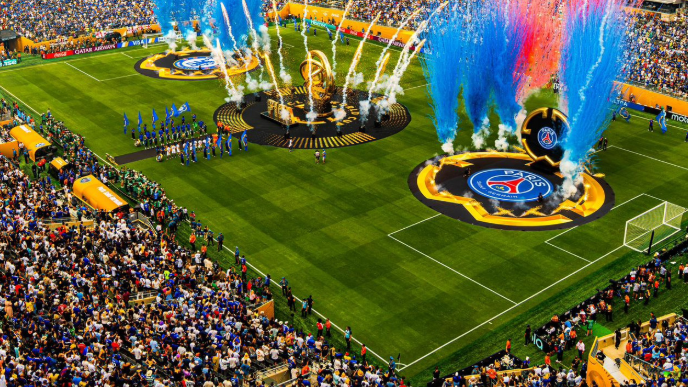
The 2026 version is characterized by size, organization, and geographic distribution. It also has more competitive diversity than any previous tournament, with 48 teams and 104 matches.
Having most of the knockout matches in the United States will guarantee that the most significant events of the tournament will be hosted in some of the biggest and finest stadiums worldwide.
In the West, Los Angeles and Seattle have specific roles to play in the tournament experience, as in the East, where New York and New Jersey have a specific role to play. Regional, match flow and logistic planning fans will be best-placed to enjoy this historic event.








Leave a Reply