


The final stages of the UEFA Champions League typically feature many of the continent’s heaviest hitters, with all that separates the teams often being exceptionally fine margins. With the Champions League final approaching on May 30, 2026, the season has already produced several defining knockout-stage moments. Not at this level are matches simply created by a single moment but rather the effect of each team’s system and in-game adjustments from coaches is what tugs tighter strings.
Clubs that reach this stage tend to come as opposites in every way from ball possession dependent teams who want everything to be perfect, and, of course quick transition heavy teams. Over both legs, managing risk and control becomes a balance that coaches face, primarily with their away matchups and aggregate scorelines in mind. Squad depth is also put under real pressure in the quarterfinals, because of a packed schedule and high intensity without rotation that disrupts rhythm or cohesion. Knowing these tactical patterns is the first step towards understanding how such elite head-to-head battles take shape on Europe’s biggest nights.
Midfield control as the foundation of progression
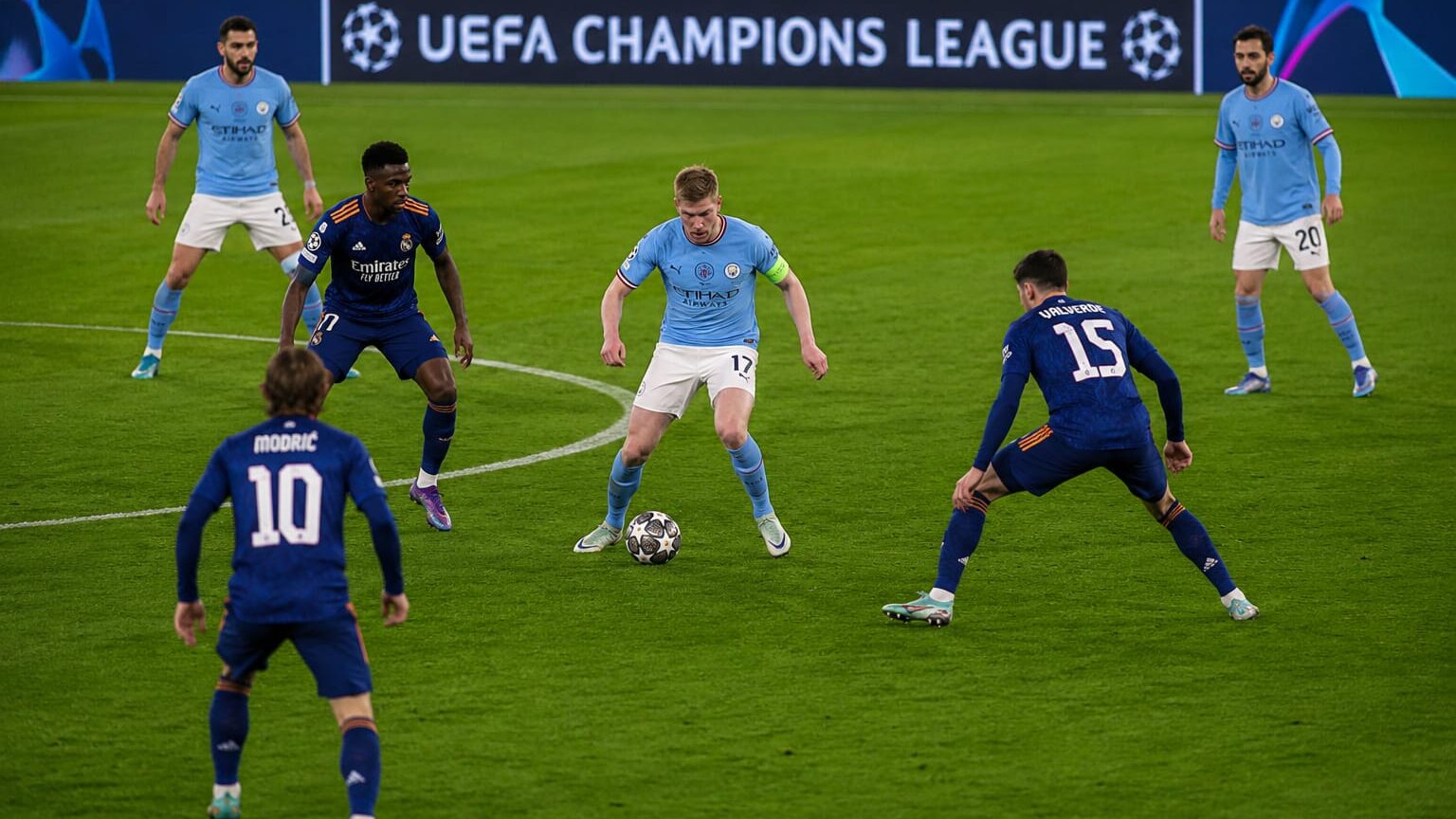
That midfield tussle is often the most telling aspect of quarterfinal ties in the Champions League. Dominating central areas is a common theme to set the rhythm of the game and restrict counter attacks from the opposition. This style usually consists of a tight double pivot that aims to close passing lanes, with more advanced midfielders pushing up to press the opponent and interfer with their ball progression.
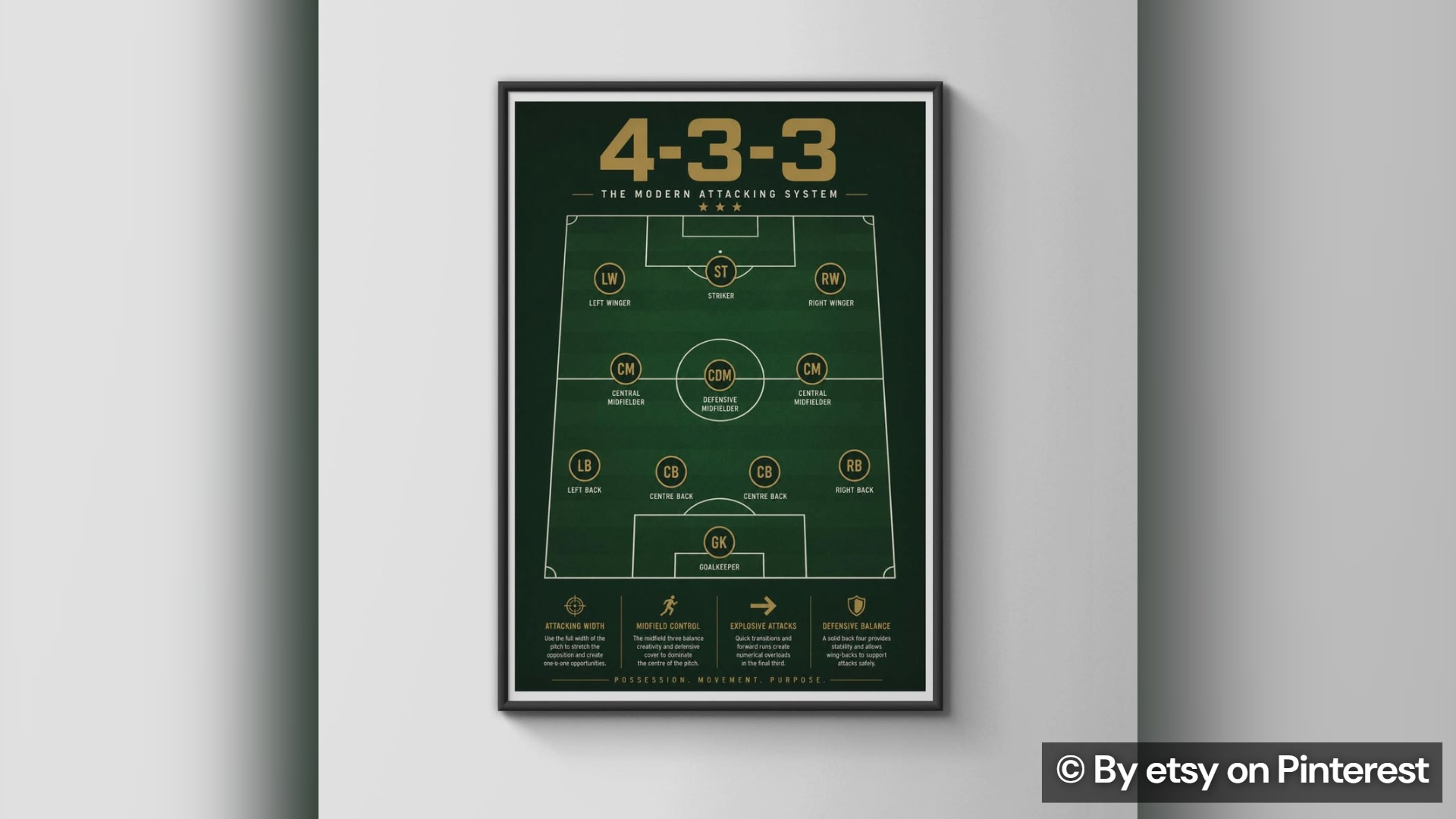
Over the past few seasons now, many of the continent’s elite have shifted towards hybrid midfield shapes. These systems provide for one player to drop lower to support the defensive line, while another goes higher into attacking positions. That kind of flexibility helps you both keep the ball and to counterpress well too. Opposition coaches often answer this by compacting central zones, or instantly switching point of play into wider territories to extend the shape.
Coaches are not only concerned with pressing intensity, but also smart positioning and control. At this stage, it is important to manage the tempo of the game, circulating possession under pressure and ways to break lines. With each quarterfinal consistently proving to be a straight shoot-out, that one error in midfield could tip the balance during either leg, and thereby this zone stays at battle point as one of the foremost tactical areas.
Defensive organisation and transition management
The quarterfinal stage tends to pit defensive organisation against some of the most lethal attacking ensembles in Europe. No longer do you require a structured back line that conforms to compactness, but must also respond to rapid transitions. Deep defenses give up territory, while high lines require effective pressing.
One of the tactical challenges is managing turnovers. The counter-pressing system employed by most elite sides now is formulated with one goal to win the ball back at once, or three seconds max, thereby fetching any silver platter awaiting an opposing counter. When it does not succeed, defensive recovery runs and goalkeeper positioning come to play.
Defensive patterns of play in blocks are also altered based on how the opponent sets up for an attack as well. Others base their setups around a mid-block technique to lure their opponent and then hit the space created because of full-backs pushing high. Some hold a good defensive line at the top of their half to squeeze the pitch. During the knockout phase, the ability to change defensive shape makes a big difference between teams winning and losing.
Wide play and set-piece efficiency in decisive moments
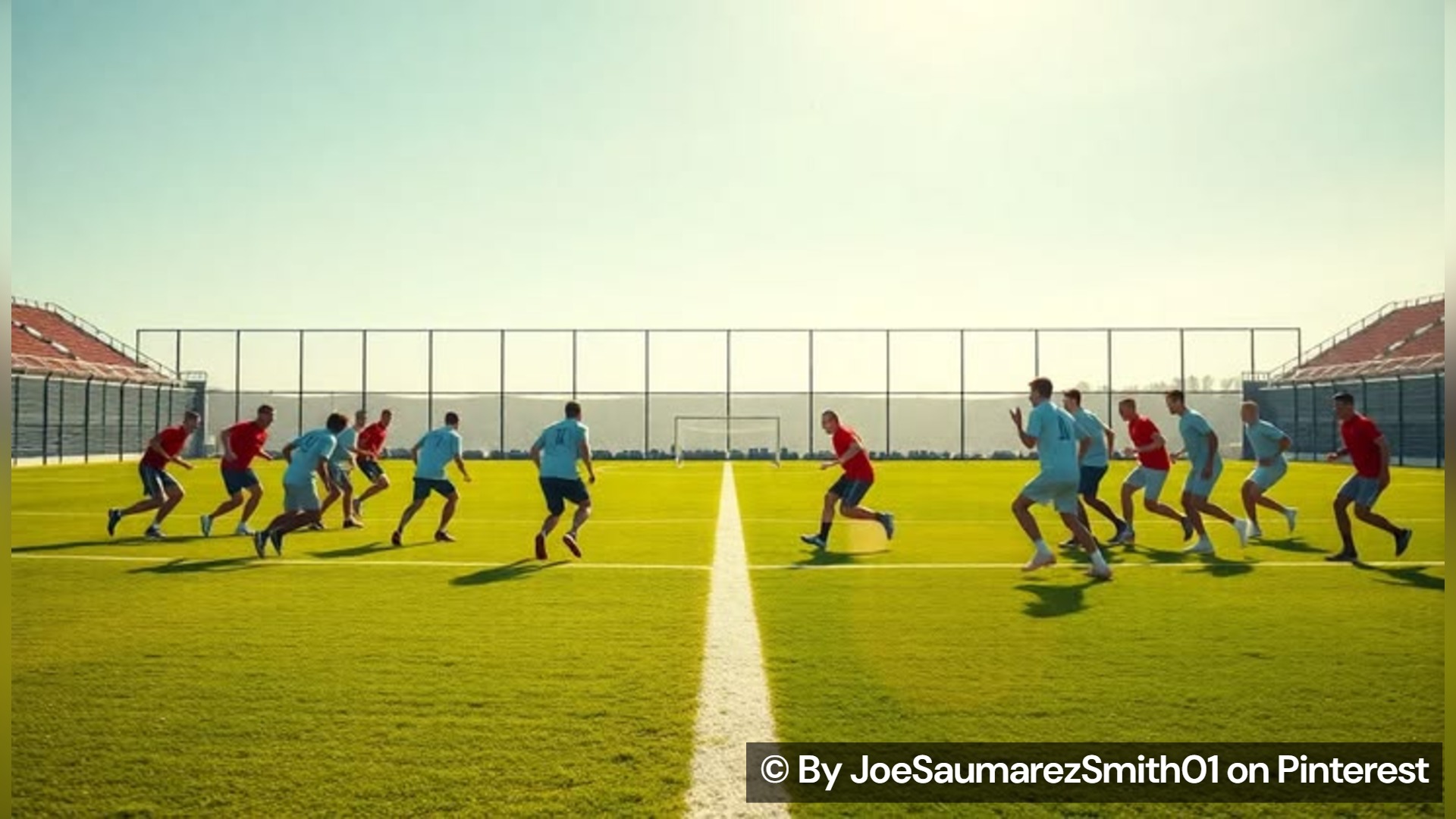
Wide areas are key in quarterfinal match-ups, particularly when the central spaces become congested. The full-backs and wingers are expected to offer width, pull defensive lines around the park, while also trying to create crossing opportunities. Conventional tactical systems feature inverted wingers drifting inside and full-backs overlapping.
This dynamic establishes numerical superiority in the final third at the cost of space in transition. Coaches must assess trade-offs between getting offensive width vs keeping defensive shape. This stage of the competition is often decided by those moments engineered through wide areas, whether it be a cut-back, diagonal run or quick change of direction.
Set pieces are also crucial in close ties. Matches in which few chances occur in open play, are often distinguished from corners and free-kicks. This means more rehearsal of routines and blocking strategies from set plays, and aerial duels become a fundamental part in your tactical preparation. In quarterfinal football, controlling these moments rather than necessarily controlling the game is often the key to progression.





Leave a Reply