

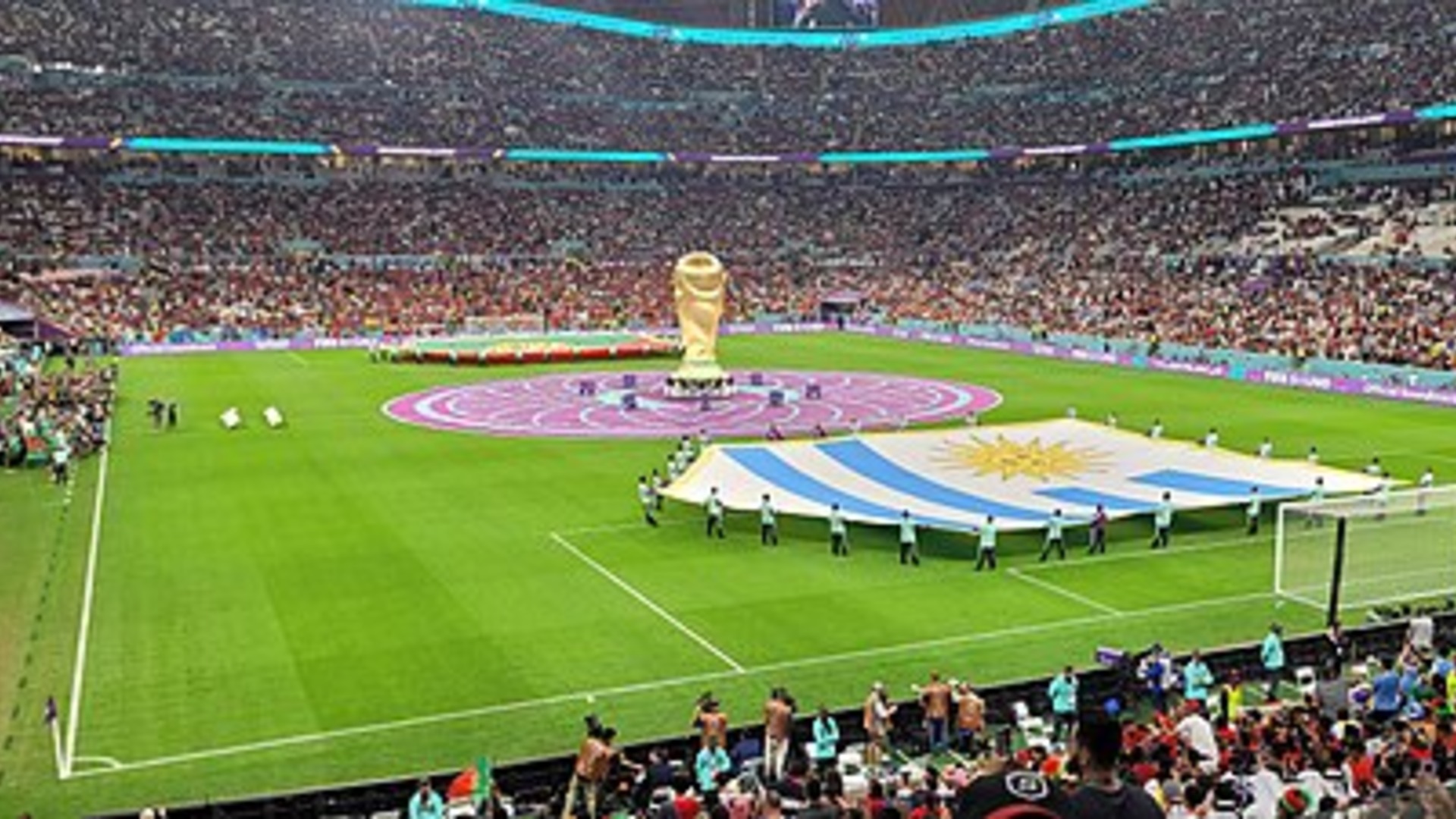
In the world of sport, the FIFA World Cup is unique. It brings together the top teams in the world every four years and captivates billions. It has been nearly a century around, and its fame has only gone up the years.
From Humble Beginnings to Global Stage
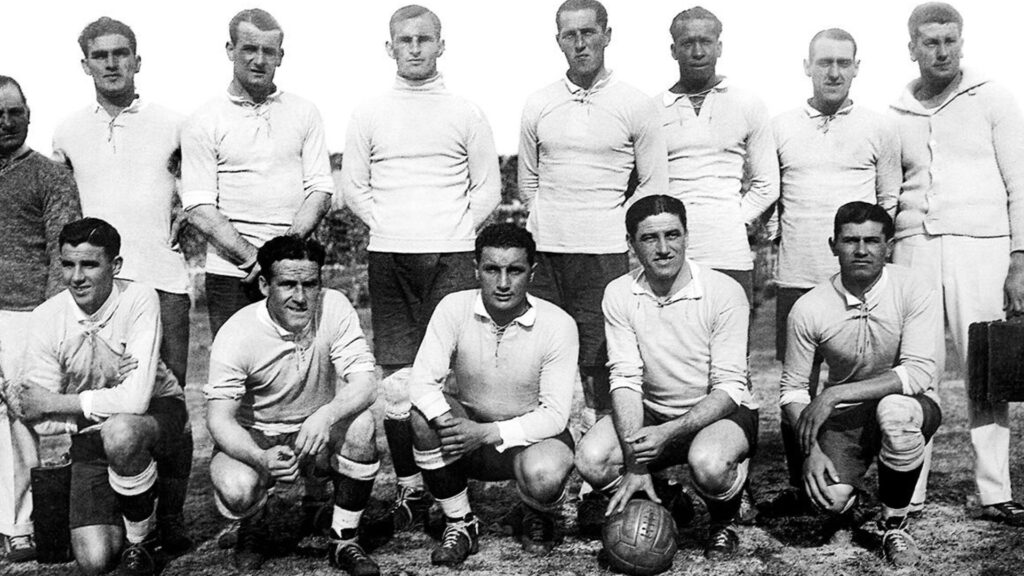
In 1930, the first tournament was held in Uruguay. Thirteen teams came to participate by sea and train, and the hosts came away with the trophy. Political tensions, war, and slow growth followed in the first few decades. The advent of African and Asian teams, along with European tactical genius and the flair of Brazil, added more chapters.
Each one had its own unique flavour, but the theme was the same: the world united to elect its king. Today’s World Cup is a much bigger affair. Qualification is arduous and lengthy.
Now there are more teams in the finals and a large worldwide audience. But it’s the basic show here that persists. One game can make all the difference. A single goal can change a country’s sporting history.
Why the Prestige Endures
The World Cup is all about the weight of the shirt. Being a flag bearer isn’t what it’s like in a family. Players talk about the feeling of listening to their country’s anthem. The tournament is seen by fans as a national experience in which they identify as having taken part, regardless of their club affiliation.
It’s the trophy that has come to symbolize it. When they lift it, it puts a player and a team on the game’s immortal roster. Success is scarce; it is difficult to achieve and never forgotten. But the World Cup is still the moment when football is at its biggest and history is being made before the world.



Leave a Reply