

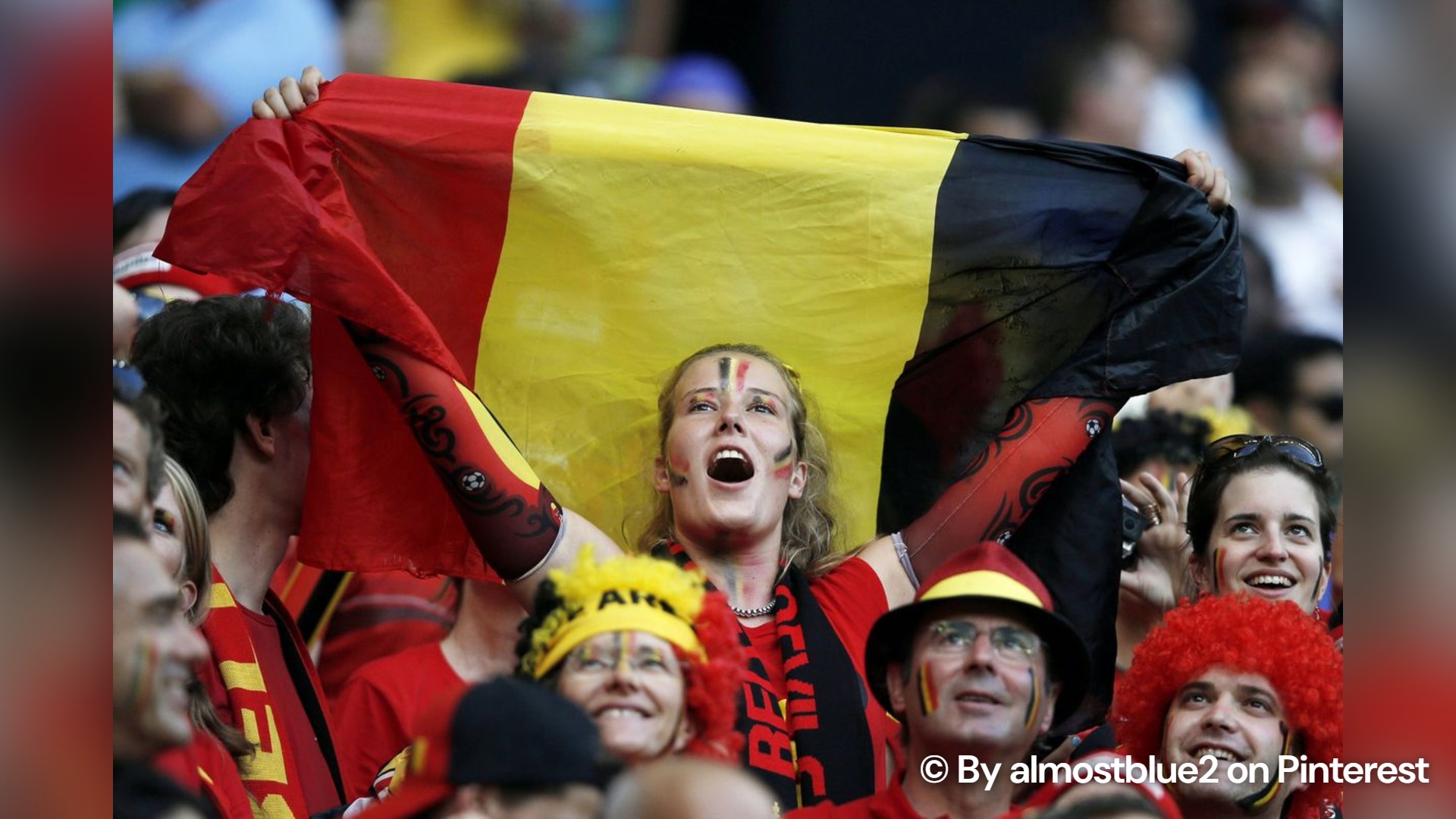
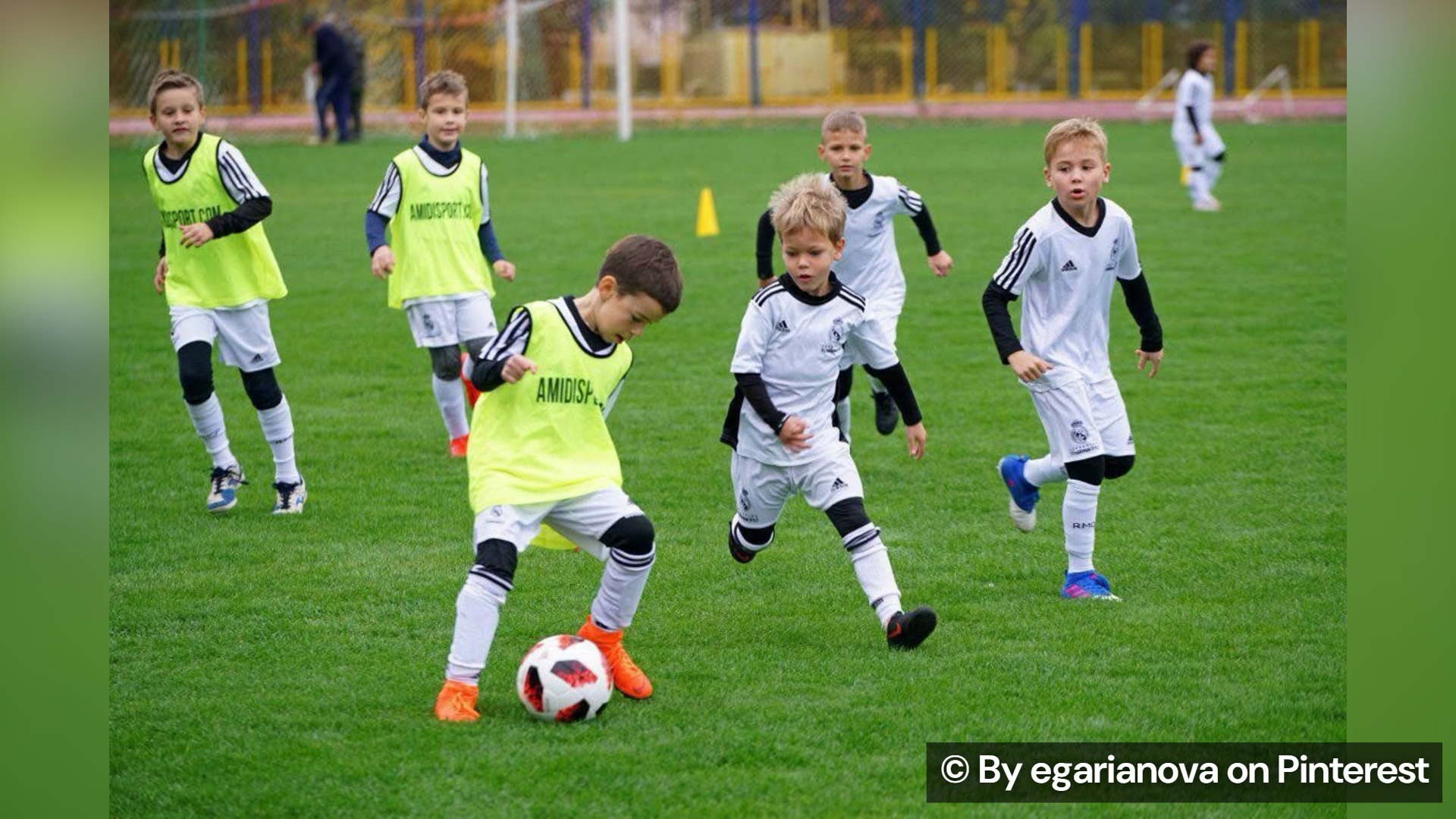
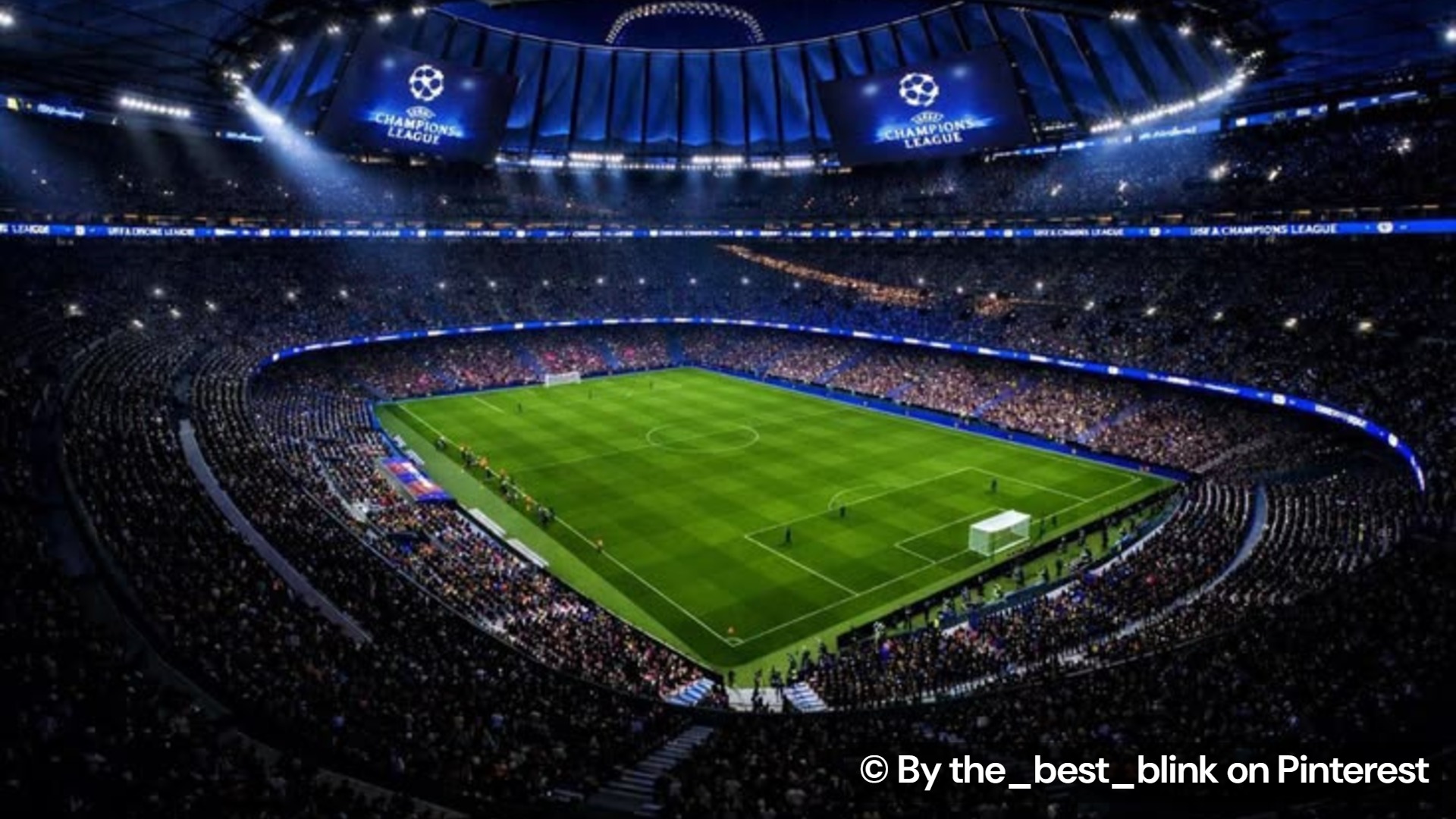
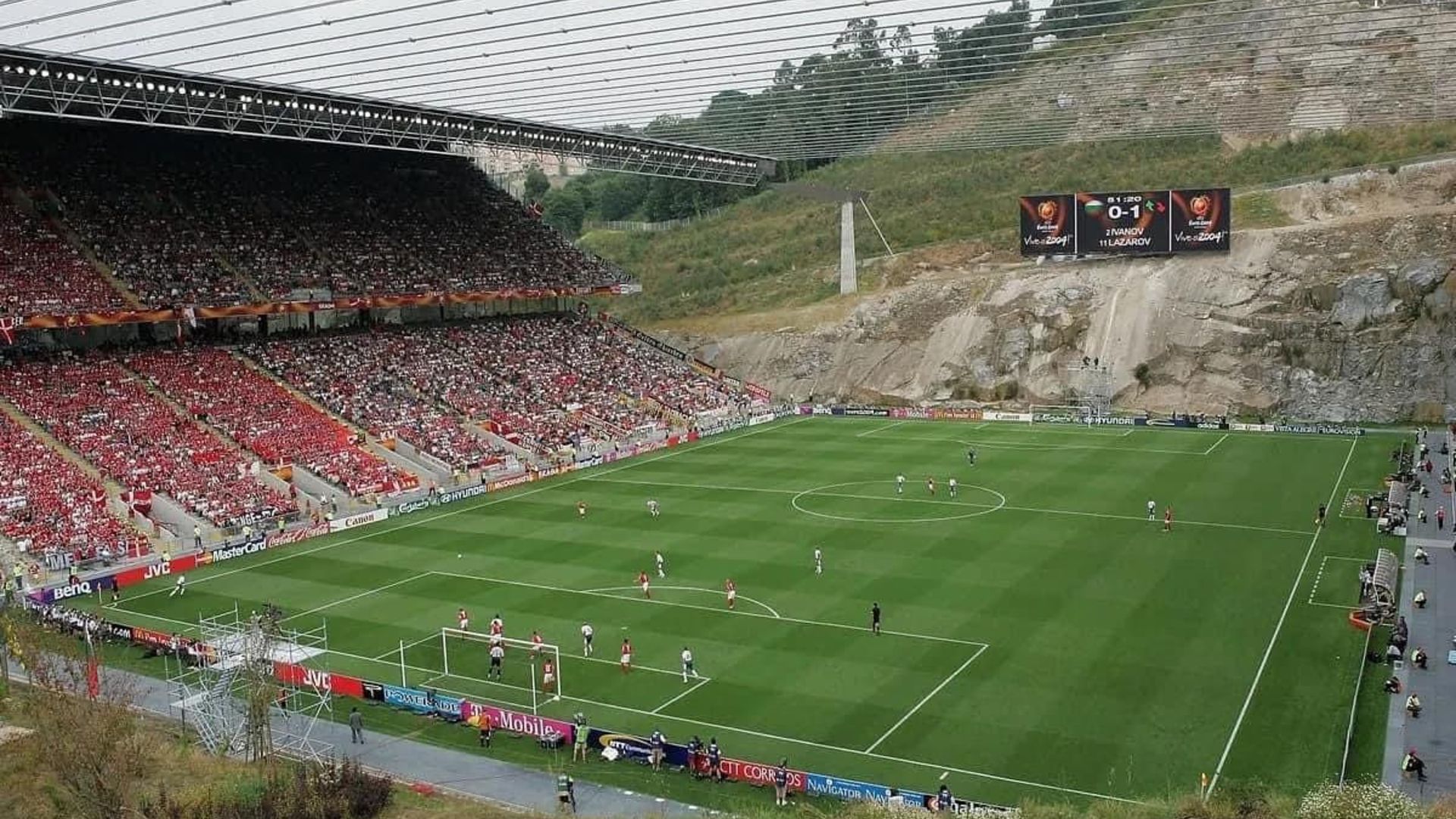
Football is a lot more than a game. It has become a facet of world culture and values, resonating with high energy and in genealogy, inducing people to gather around a shared enthusiasm and traditions and unite them with a sense of belonging. The beautiful game harbours a beautiful face, and its beauty resonates with the identity of the communities that have been able to support it, from the local playground to gigantic international stadiums.
Many fans have a tradition of supporting their favourite football club within the family. Parents and grandparents often pass on their teams to their children, establishing a sort of family-time lineage. The clubs colours and scarves, songs and matchday cultures are significant symbols of identity. In certain urban centers, a football club is more than just a sports team; it’s a history and character symbol for the neighborhood itself.
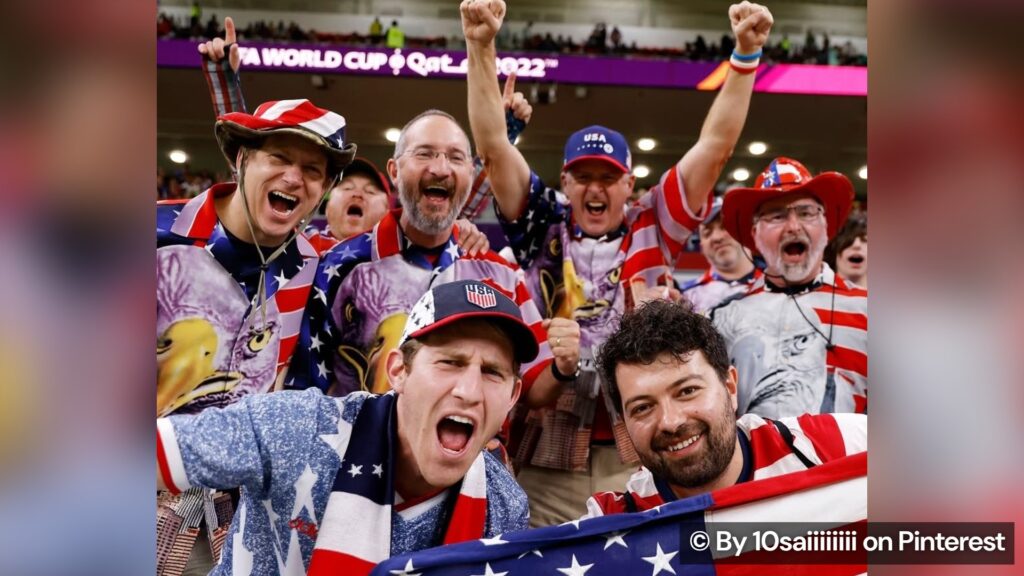
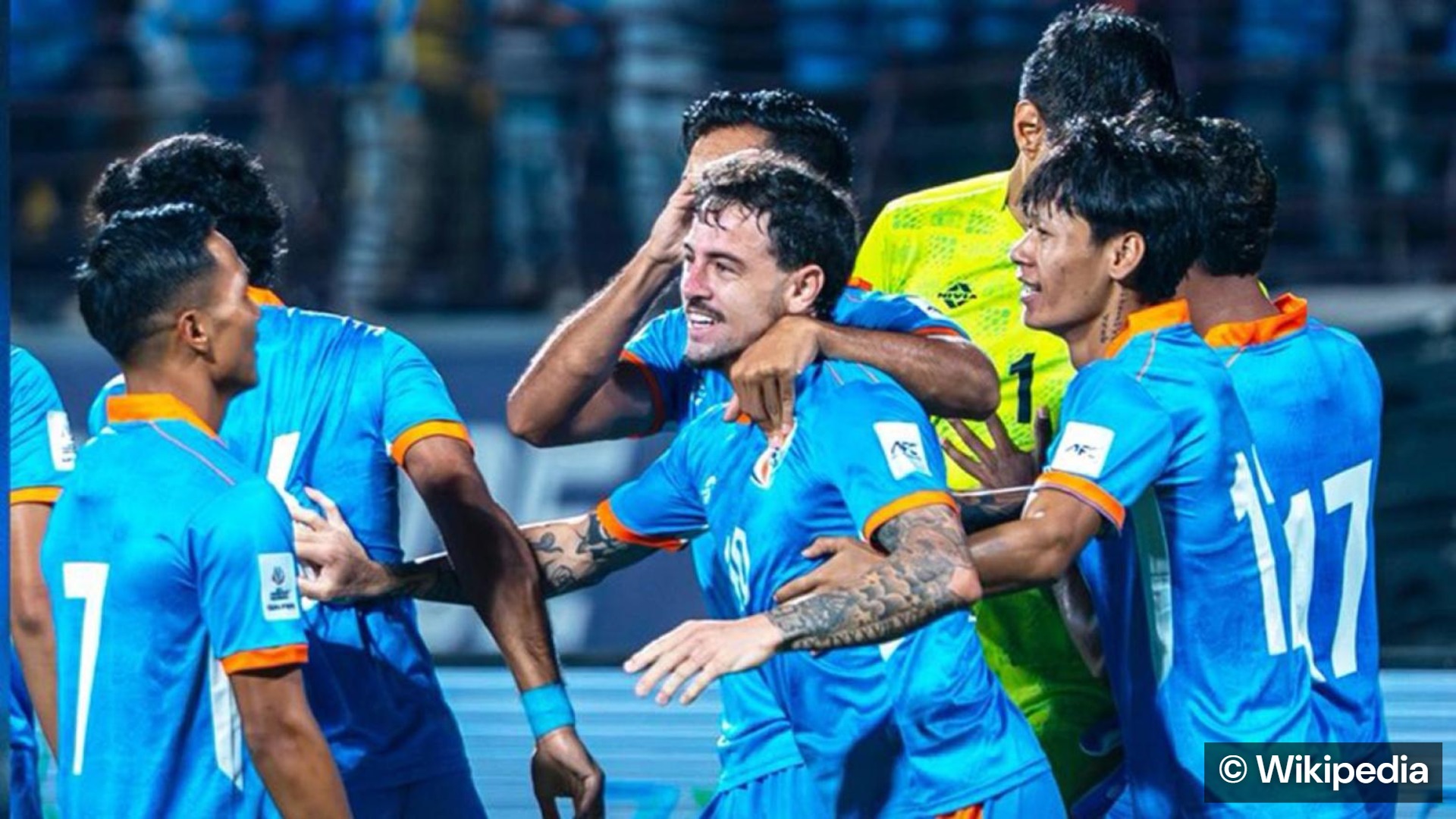
Football is also a factor of national identity. People start to have an opportunity to unite and celebrate their countries via international tournaments. Flags and shirts fill the streets, homes and public areas during competitive events, celebrating with excitement, disappointment and pride throughout. They can experience a sense of unity with others of different backgrounds.
In the sport as well, cultures cross borders. Football stories turn players from country to country, get followed by international fans and spread around the world. In doing so it has contributed to the development of a global football culture, without taking away the importance of local identities.
Football can even bring a voice to social issues! The sport has been used to ensure inclusion, to disempower discrimination and to benefit communities at difficult times by clubs, players and supporters. Therefore, football can sometimes be an idea of a nation or society.
So, that’s the impact of football beyond the 90 minutes. It brings generations together, communities and countries, offering a universal language of emotion and belonging to millions of people. Football continues to be one of the greatest cultural phenomena in the world; hence, its relevance to this setting.









Leave a Reply