

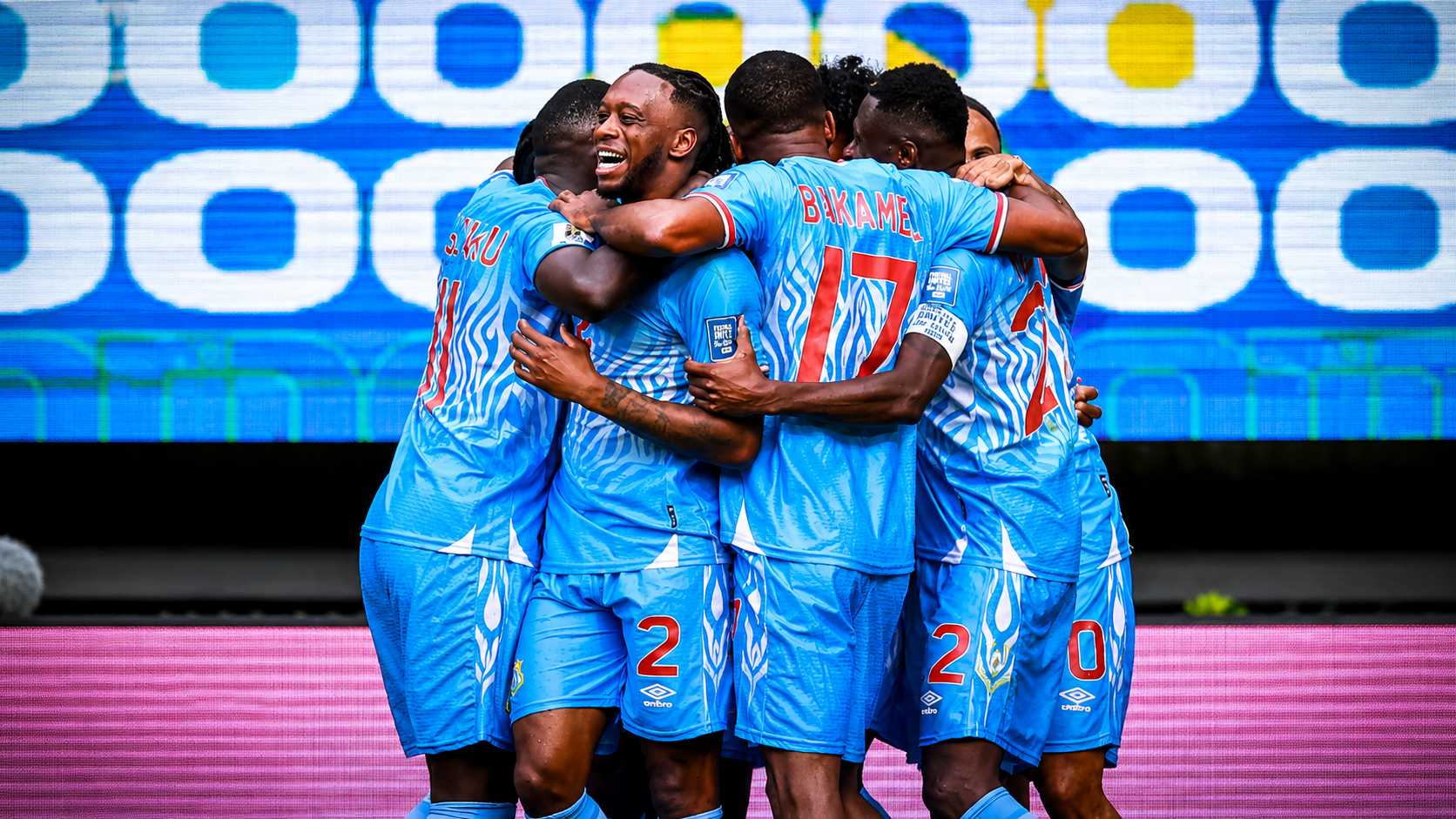
Qualification stories take a straightforward linear direction. And then some are constructed with stoppage-time headers, penalty shootouts, and a captain who just would not allow his country to remain forgotten. The road of DR Congo to the 2026 World Cup is squarely in category two, and one of the most emotionally laden qualification stories ever wrought by this cycle of the World Cup.
An Almost Job Stage Group
The Leopards were sent here in a no-chance occurrence. DR Congo accumulated 22 points in their CAF qualifying group – a figure that would have won most other groups of their eight win over. The ironic aspect was that they were sharing their side with Senegal, one of the best sides in Africa, and emerged second. Good enough, most definitely. Merely unworthy on that trail at that.
A moment of consideration is necessary to come to terms with what this qualification entails. By the time the country last attended a World Cup in 1974, they were under the name of Zaire (the first sub-Saharan African country to attend a World Cup), and they fled West Germany after 14 goals were conceded and none were scored, in a regime that is said to have threatened the players before the matches. That turned into the punchline that the world repeated decades later. A story is something that this generation grew up with. They were set on removing it and putting their own.
The Gauntlet in Morocco
Four African countries (Nigeria, Cameroon, Gabon, and DR Congo) were involved in an ruthless single-leg knockout playoff in neutral ground in Morocco, and only one of them won a slot in the intercontinental playoff. No second legs. No safety net. Lose and go home.
The semifinal draw of DR Congo contrasted them with Cameroon, eight World Cup appearances, the most seasoned team in the mini-tournament, and traditionally, the most powerful team in this Central African conflict. It was precisely the type of light that destroys dreams even before they can be shaped.
The game dragged out ninety nerve-twangling, even matches. Then, in the middle of the stoppage time, captain Chancel Mbemba, who is the record appearance player of this country, high rose to the goal to head in the sole goal. Cameroon was out. DR Congo was dead.
The last was against Nigeria, which was equally brutal. It ended in a draw (1-1) after 120 minutes, and DR Congo carried the day on penalties. Nigeria was gone. Cameroon was gone. Two of the most iconic footballing countries of Africa are gone. The Leopards–who had gone through the tougher bracket–were the last standing men.
Guadalajara, Extra Time, a Header to History
This was the last twist generated by the intercontinental playoff in March 2026. In Guadalajara against Jamaica, the game was now in the 100th minute with no goal, yet it seemed that Axel Tuanzebe, a centre-back and not a striker, raced forward and led DR Congo to the World Cup.
As the last whistle was blown, lightning was said to be flashing over Kinshasa. Thousands were flocking to the rain-wet streets. A 20-kilometre airport journey of the team back home days after was transformed into a 4-hour-long procession with tens of thousands of people along every road, flags waving, singing, and crying. A national holiday was proclaimed by the government. The squad was welcomed at the palace by the president.
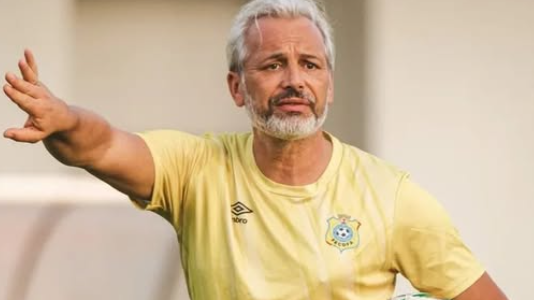
The coach who had created something real was the unobtrusive, meticulous French coach Sebastian Desabre, who had years of experience working with African football, working in various countries, had created a disciplined and organised side that did not lose the speed and intensity that Congolese football is known to possess, without losing its structure.
What Comes Next
The group stage of DR Congo is against Portugal, Colombia, and Uzbekistan. No one is giving them anything. However, a team that needed to conquer Cameroon, Nigeria, and Jamaica on three elimination matches, only to be here, has already made it known that it belongs. The Leopards have returned. However, 52 years later, they can tell a story.




Leave a Reply