

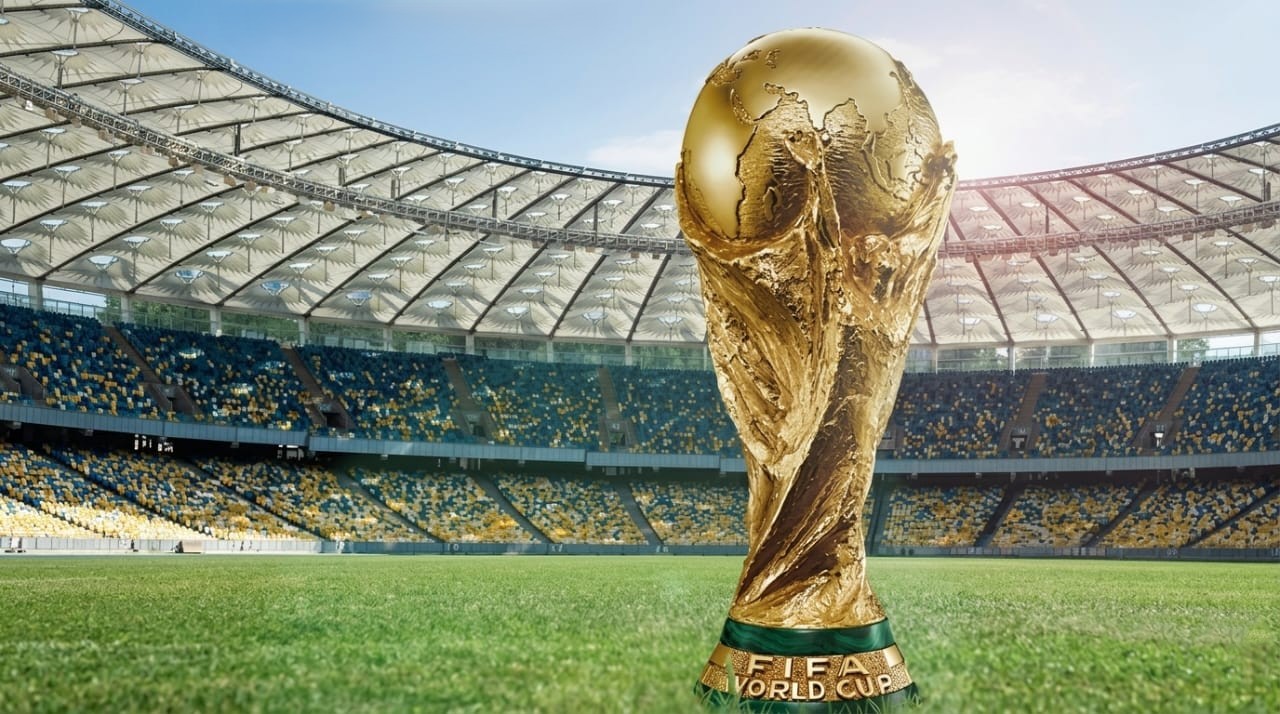
The 2026 World Cup is no ordinary tournament for America. It’s an unusual opportunity where timing, coverage, and audiences are all on board. Soccer in America has been steadily developing over the years, but has never achieved a breakthrough of its own. That’s a trajectory that could change in a meaningful way when it comes to this tournament.
The matches are held across high-traffic cities, and the fan base is still quite young, so it’s possible for a major change to take place. It is not if, but how soccer will expand in the United States. What’s being discussed is the speed and distance of that growth.
Massive Audience
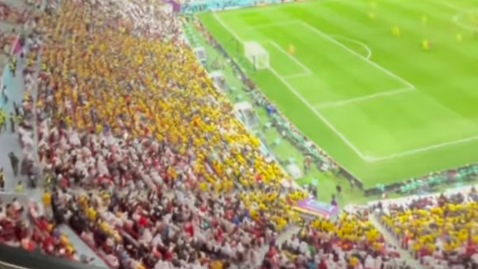
The 2026 World Cup is anticipated to be the biggest in World Cup history. With a record 104 matches played entirely across North American time zones, US fans won’t have to deal with awkward midnight broadcasts, naturally boosting daytime viewership. This alone translates into increased opportunities to see and more regional engagement.
The final of the 2022 World Cup was viewed by more than 1.5 billion people around the world. The final saw a viewing of over 25 million people in the U.S., one of the nation’s biggest soccer games ever. These numbers are likely to grow much larger with the 2026 edition going home. Increased access through increased matches played in local time zones. Viewership won’t have to change schedules to watch games, directly enhancing viewership consistency.
Host Advantage
Local interest has always been stimulated by hosting the World Cup. In 1994, which was the last time the United States hosted the tournament, more than 3.5 million people were in attendance, ranking it as one of the highest in the history of the tournament. That tournament also helped to start the Major League Soccer in 1996.
The 2026 event will be held in 16 cities in North America, 11 of which are in the United States. The tournament will be played in cities such as New York, Los Angeles, and Dallas, which are known for their large populations.
With this geographic distribution, millions of fans will be treated to the “tournament experience” in person. A live exposure can be a long term interest, particularly with younger people.
Youth Growth
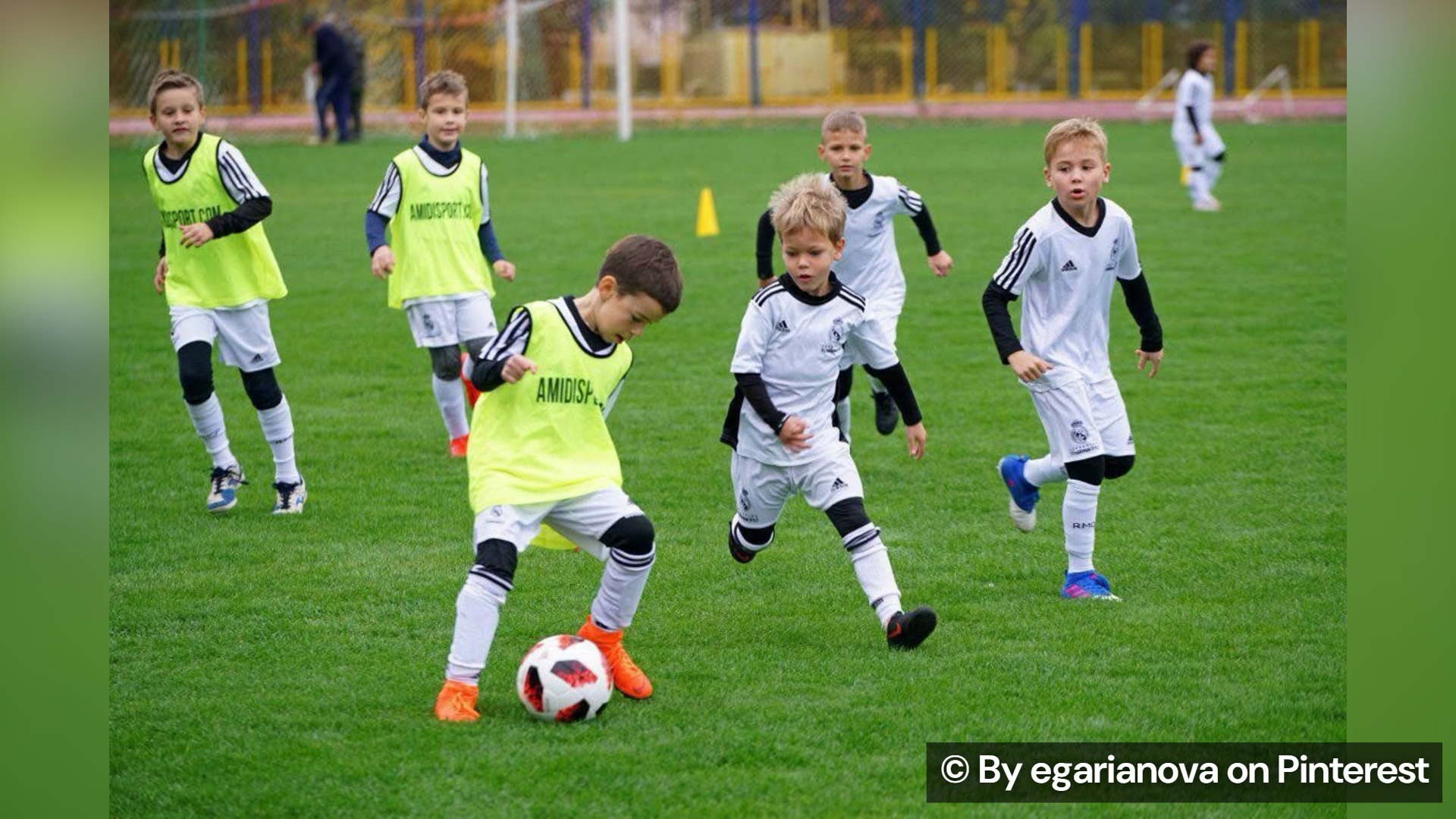
The number of youth in soccer has been strong in the United States. It’s estimated that more than 4 million children play organized soccer in the country today.
This base provides an immediate platform for continued expansion. Young players’ engagement is raised by observing top international games in their own country. It links the people at the bottom with the professionals at the top.
The timing is also very important. A lot of these young players will be coming into the teenage years while in the World Cup 2026. Young people are the individuals who can develop lifelong sports loyalty in this age group.
League Expansion
Major League Soccer has grown significantly in the last 10 years. In 2010, the league had 16 teams. The number has increased to 30 teams by 2025 and other potential teams are currently talking about joining.
This growth is reflected in the numbers who attend. In the recent years MLS have had an average attendance of more than 22,000 fans per match, which is among the highest attended leagues in the world.
Domestic clubs will gain more exposure at the World Cup. Those who follow international matches frequently turn to following local teams. This has been observed on other global tournaments and the impact should be amplified by a home tournament.
Media Reach
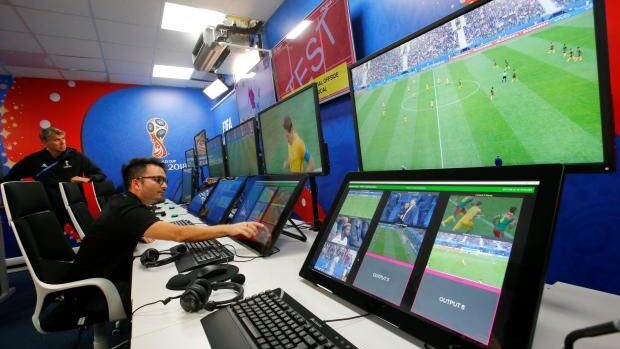
The 2026 tournament will have an all-time high level of broadcast and digital coverage. A variety of distribution channels, including streaming platforms, social media and traditional networks, will be involved.
World Cup content was associated with billions of interactions over digital platforms in 2022. Video snippets, analysis clips, and live reactions boosted engagement beyond the confines of traditional broadcasts.
For the 2026 edition, this digital ecosystem will be even more advanced. Youth of all ages will have many opportunities to engage with the tournament on mobile devices. This type of accessibility lowers the entry barriers. Fans don’t have to watch the entire games to remain connected. Short highlights can work to create interest over time.
Commercial Impact
The amount of sponsorship and commercial investment is expected to be at record levels. The 2026 World Cup will have more teams, more matches and more host cities. This increases the ads and partners inventory.
Sponsorship income around the world in previous tournaments has reached billions of dollars. This is likely to grow even larger as the United States is one of the biggest advertising markets. Brands will be spending a lot of money on campaigns associated with the tournament. This gives soccer constant visibility on various media, such as television, websites and public areas.
Competition Level
The new format also adds in some more diversity competition. There will be 48 teams from more countries represented. It’s a chance for Americans to get more exposure to different playing styles and differing football cultures. This can be done to make the tournament more interesting and enjoyable to watch at different points.
At the same time, the United States Men’s National Team will have the advantage of playing at home. Host countries tend to be more successful in the past because they are used to the conditions and have a loyal fan base.
Cultural Shift
Soccer in the United States has at times had an adversary in the form of other sports, such as basketball and American football. But trends in audiences are changing. There is a higher level of engagement with global sports among younger populations. The global nature of soccer and its content that is available year-round are beneficial.
This difference is significant. The growth with a given growth base is more sustainable than the growth by short-term events.
The 2026 World Cup offers an unprecedented chance for soccer in the U.S. Local, expanding leagues, digital and a young audience provide a favorable landscape for expansion. But, long-term effects will be influenced by the quality of the use of this momentum. Further investment in youth development, league quality, and engagement will be required.
Soccer has the potential of becoming bigger in the USA than it is today. The 2026 World Cup has got scale, visibility and timing that few other sporting events could beat. The tournament is a solid chance to change the course of the sport in the country if it is able to offer engaging matches, good engagement and competitive USMNT play. The structure’s groundwork is already in place. The World Cup might be the occasion when the steady growth becomes the long-term mainstream.








Leave a Reply