


Football is often called soccer in the U.S. and has traditionally been less popular than American football, basketball, and baseball. It had been dominant in the world but still failed to develop a stable national following over the years. But today a significant and persistent change is taking place. In the last decade, total viewing hours have increased dramatically, young people’s participation in viewing has increased, and there have been substantial commercial investments. This increase is not drastic, but gradual, as a result of changes in accessibility, media and culture. What comes from it is a billion minute boom that is more and more gaining the attention of broadcasters, advertisers and stakeholders.
Streaming Growth Is Driving Viewership Expansion
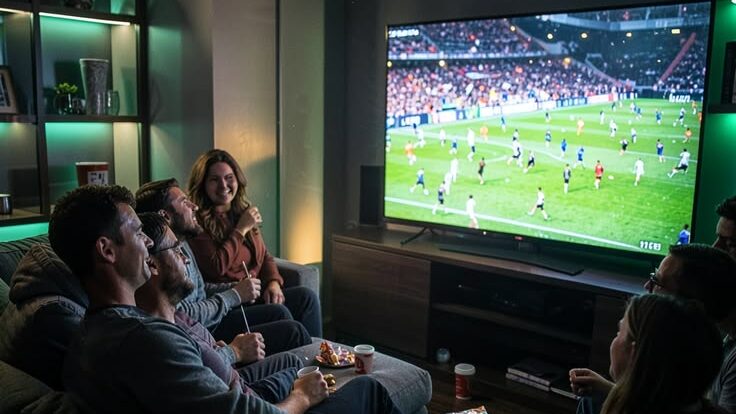
Streaming is now one of the biggest factors for the expansion of football in the United States. Domestic leagues, international competitions and behind-the-scenes content is now available on demand for fans. This change has eliminated traditional limitations like fixed broadcasts times. This means that people can now watch matches at their own time and result in a significant rise in total minutes watched per user.
New industry statistics indicate that over 70 per cent of younger viewers prefer to watch streaming content to traditional TV. Football is benefiting from this trend since it provides content across different time zones all over the world. Football viewership has seen double-digit growth on a number of platforms in a year, demonstrating just how far it is putting viewership further and further.
Youth participation is cultivating long-term allegiance
Football’s expansion in America continues to be one of its most solid bases: grassroots involvement. Over the past several years, the number of children playing youth soccer has steadily climbed, and millions of children are currently playing soccer across the country. Schools, academies and community clubs have continued to grow and football is one of the most played youth sports in the country.
A major part of the simplicity of the sport. Requires only a small amount of equipment; open to boys and girls. Parents also consider it to be a structured and engaging sport which helps in team work and discipline. This awareness leads to lasting involvement and children who play that sport are more likely to be involved as fans.
Star power is attracting new audiences around the world
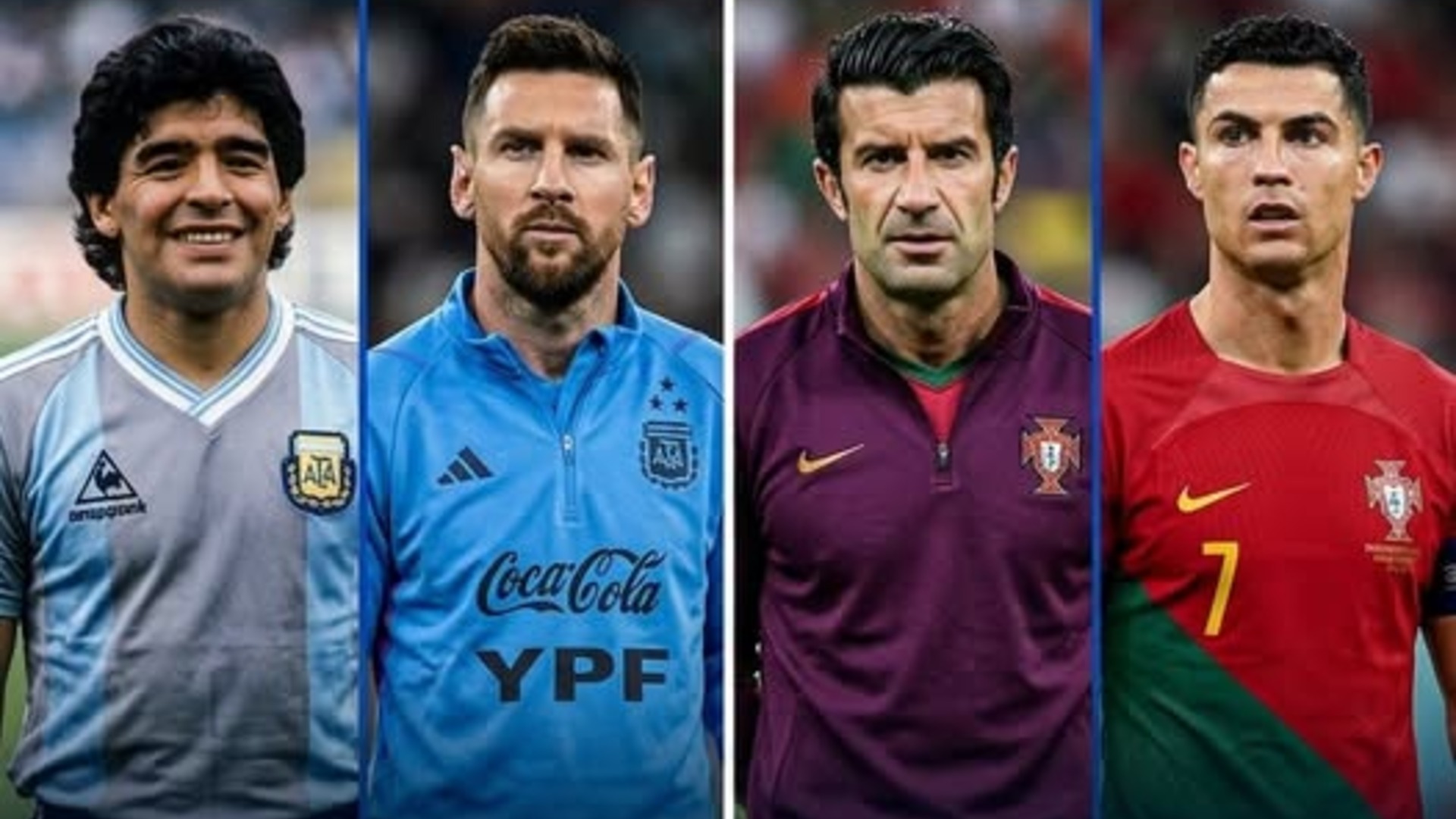
International players have helped to make football a popular sport in the United States. Great athletes bring attention to their sport and can bring new fans into the fold. The contests of these stars are frequently watched by millions of people, even in places where football was not the predominant sport.
For instance, during the FIFA World Cup, matches like the final have attracted as many as 10 million Americans. The games serve as a means of introducing new fans to the sport, and many of those fans stay engaged with it after the games. Football is also made more relatable and recognizable to a wider audience by the star players, which also helps to strengthen marketing campaigns.
Media Rights Growth is Proportional to the Growing Demand
The TV landscape in the U.S. for football shows are becoming more competitive. The networks and streaming platforms are actively chasing the big leagues and tournaments, indicating confidence in the sport’s long-term future. Multi-year deals are being struck at higher valuations and thus there is high expectation of future growth.
The increase in media rights has resulted in great accessibility. For example, fans have more options to watch the games, get analysis and interact with all sorts of content. The more coverage it gets, the more people are going to watch, and that’s the path football’s going to continue on in this market.
Cultural Shift Is Integrating Football into Daily Life
Football slowly but surely is a part of the American mainstream. Social media has been a key factor in this shift, capturing highlights, fan reactions and moments that trend. Of course, football content now has millions of interactions, especially amongst the younger generation of people.
This change is being fueled by public screenings, fan events, and local club communities as well. It is reported that the number of fans has been steadily increasing over the years with increased interest in fan driven events. Football is no longer considered an alternative sport, but a part and parcel of entertainment.
Data-driven Coverage is Improving Viewer Experience
With enhanced analytics and data in real-time, the future of football viewing is shifting. The matches are now broadcast with player tracking, performance stats and interactive elements to add to the match. This will make the game available to new viewers and will give old viewers some valuable information.
Better, real-time data that is broadcasted can increase viewership engagement by as much as 15 percent, according to a study. This will lead to extended viewing time and more immersive experience. With the ever-changing nature of technology, the line between casual viewing and dedicated fans is continually closing.
There are numerous new business opportunities emerging quickly
In the U.S., the game of football is growing more and more into a profitable enterprise. The sport has an ability to attract younger, more diverse audiences and brands are turning their focus toward the sport through sponsorships, partnerships and merchandise. Football campaigns tend to have a significant impact on engagement, particularly when they come from a big tournament.
New industry estimates suggest that recently, U.S. dollars were spent on football-related sponsorships by nearly 30 percent. It is a sport that is increasing in economic significance and can have a tangible impact on brands. The commercial aspect of football is improving again and investments are growing.
Conclusion

Football in the United States is now a data-driven, youth-driven, global sport with commercial investment and streaming, rather than an uncertain and slow-growing sport. The billion-minute boom highlights a clear trend in America’s viewing and involvement with the game as the viewing time continues to grow and major world events are coming up.











Leave a Reply