

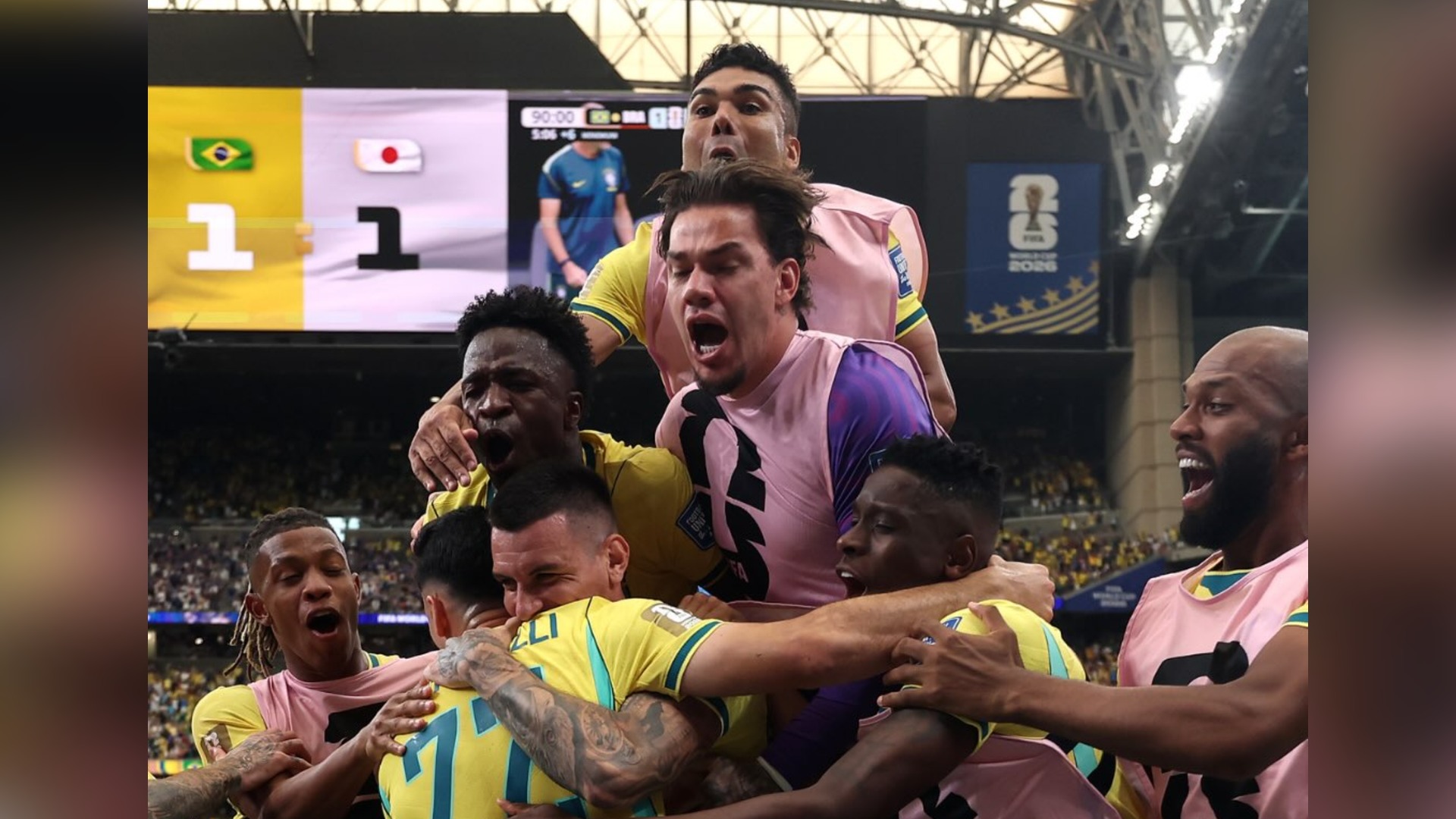
The end bit of a football match, i mean those last minutes, usually turn into the most dramatic stuff. If you look at it statistically, a bigger share of goals in the major European leagues and also in international tournaments, get scored after the 75th minute. It keeps happening because of this messy mix of bodily exhaustion, coach changes,and also this mental strain that builds up fast.
Physical Fatigue
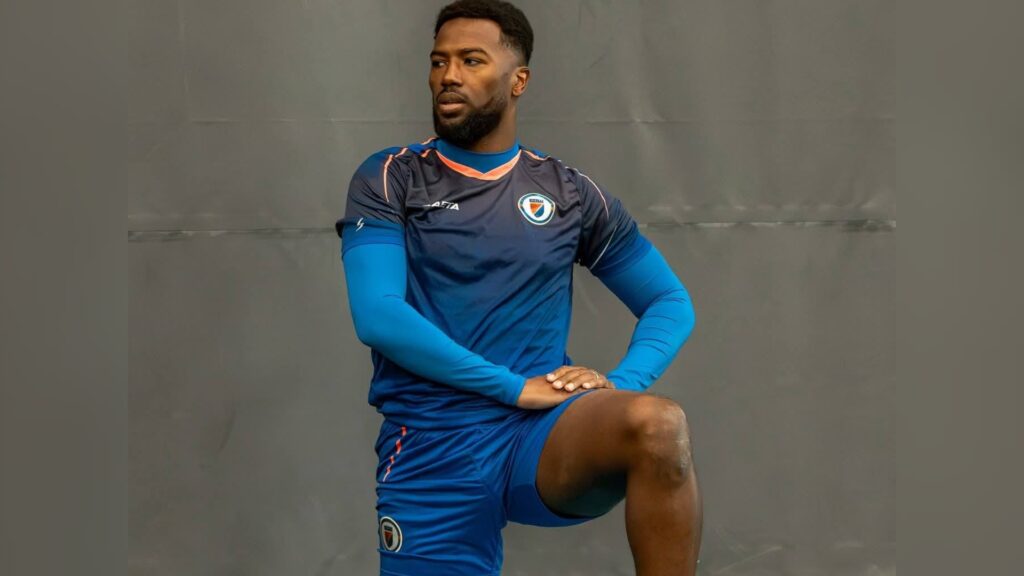
When a game runs close to 90 minutes, most players are basically running on fumes already done. In pro football, they might end up covering something like ten to twelve kilometers in one match, and it drains glycogen, plus the muscles start to grumble, reactions get a little slower too. After that, it’s pretty predictable. Defensive lines lose some of that tightness, the spacing gets a bit sloppy, then you start seeing more one-vs-one positioning errors, late challenges and tackles that come a second too late. Then attackers can basically sense those tiny gaps in focus and turn it into moments, opportunities that feel almost too good to miss.
Tactical Shifts
The final 15 minutes often forces managers to ditch the tidy plan they started with. Teams that are behind usually throw more bodies into advanced areas, changing their shape toward- something more aggressive, or they send defenders up for aerial duels. On the flip side, teams that are defending a lead will often drop into a low block or they bring on substitutes to break the rhythm. These late structural breaks make the game wild. Counters start opening up lanes that were not there before, which is why those late goals become more likely.
Psychological Pressure
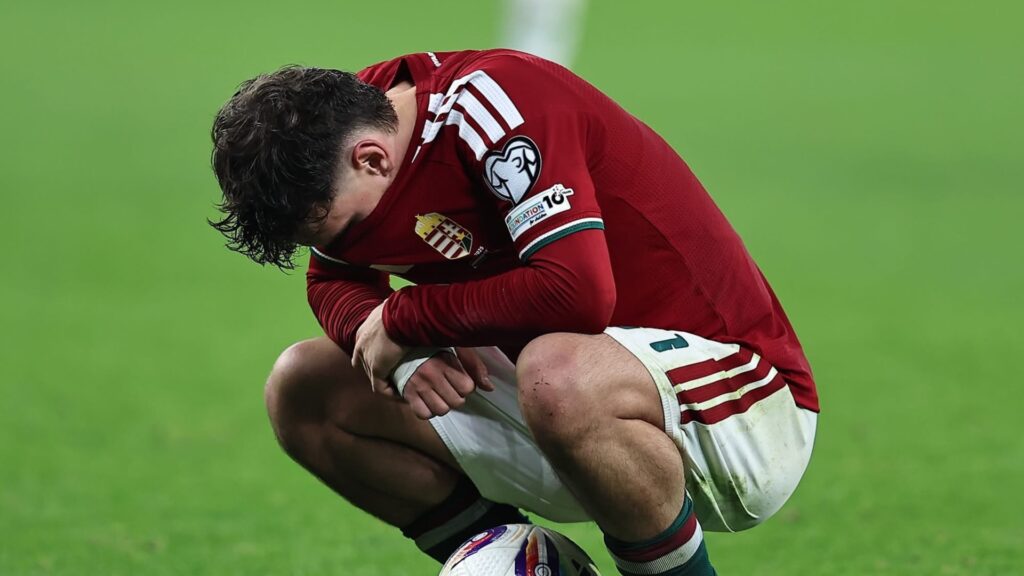
There is also the mental side, and it hits harder as time slips away. The pressure of either grabbing a point or protecting the advantage, changes how players choose their next action when everything feels rushed. Defenders, in particular, can get stuck in anxiety mode, so they clear the ball too early, or commit needless fouls in dangerous zones. Meanwhile attackers get this urgency pull. They take riskier balls and shots, things they might have avoided earlier in the match, and that can tip the whole outcome in the closing stretch.









Leave a Reply