

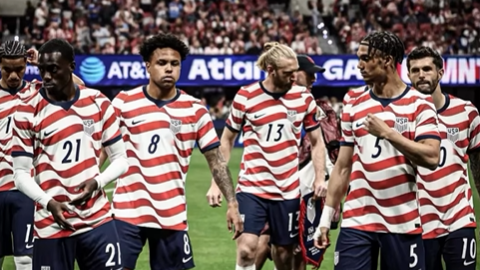
The pressure of expectations hovering above the United States Men’s National Team ahead of the 2026 FIFA World Cup is unlike that of any generation before. Given that the tournament is being contested in the U.S., Canada and Mexico, interest surrounding the American lineup will be massive from the kickoff of its opening match. A side repeatedly referred to as the country’s “Golden Generation” now won’t just have their sights set on competing but confirming a previously stated goal with a deep run on home turf.
With players who compete week to week in the top leagues of Europe, the squad is far more experienced internationally than many American teams that have ever come before. But 2026 will not be decided solely on talent. The emotional pressure, tactical discipline and public demand of a home World Cup is perhaps the most puzzling challenge. Every performance will be examined to the nth degree and at this level of competition, the margin for error is all but non-existent.
European Experience Brings Bigger Expectations
The USMNT core, we have players performing at some of the largest clubs in Europe. Christian Pulisic is not one of the best at attacking threats with what he shows in new colors at AC Milan, and Weston McKennie tosses some youth and experience back into the machine working his way back inside from Juventus. The quality of the roster as a whole has been improved by competing at that level.
Club football and international tournaments are different worlds. The challenge of having to represent the host country at a World Cup is emotionally demanding, and even some established players who play in Europe may not realise their limitations. The pressure of expectations from supporters and the glare of media attention combined with the nature of knockout football will provide a further test for the maturity of this group.
An additional consideration is automatic entry. With the United States as co-hosts, they sidestepped the aggravation of a conventional qualifying campaign. Although this has given teams a few extra days to prepare, it also strips the competitive edge that tends to sharpen teams just ahead of any major tournament. That will mean intensifying friendlies and preparation camps, a vital but challenging task for the coaching team.
Mauricio Pochettino’s Tactical Challenge
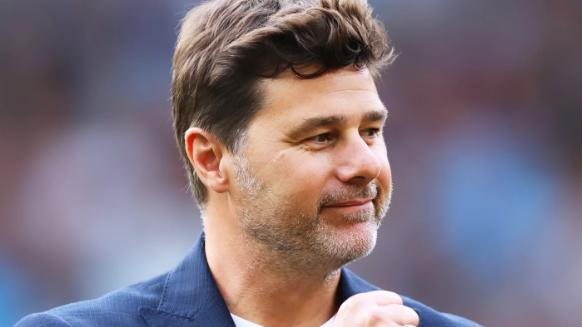
They are also more aggressive tactically under the pressing, quick transition and off-ball movement identity instilled by manager Mauricio Pochettino. It can generate agonising scoring opportunities for the opponent if the defence isn’t well-drilled and alert to danger.
Defensive transition is one area of concern entering 2026. And if the US loses possession high up they can be there to be abandoned by superior teams on the counter. The slightest defensive error can be pounced upon and converted into a significant scoring opportunity against elite European or South American opposition.
Midfield balance also remains one of the team’s biggest tactical quandaries. With the balance needed between defensive discipline and attacking output, which is especially valuable when it comes to connecting with his own side. The midfield group’s athletic ability is a major asset, but one area of improvement has to be learned the skill of managing tempo against top-level caliber teams. The US’s composure when challenged could be the difference between how far they go in this tournament.
Pressure to Deliver a Breakthrough Performance
The USMNT has made strides the last few years but does not have any defining tournament victories over world powers. This reality still informs the team narrative as it plots its course toward 2026. To reshape narratives about American soccer, this generation will have to decisively deliver in the group stage and knockout rounds.
Chemistry within the squad will also be a key factor. And while often line-ups have been mixed in a state of experimentation with life on the pitch continuing, international tournaments favour compromise and knowledge between players. The depth of the roster will be sorely tested by injuries, suspensions and fatigue, requiring steady contributions from the bench when needed during competition.
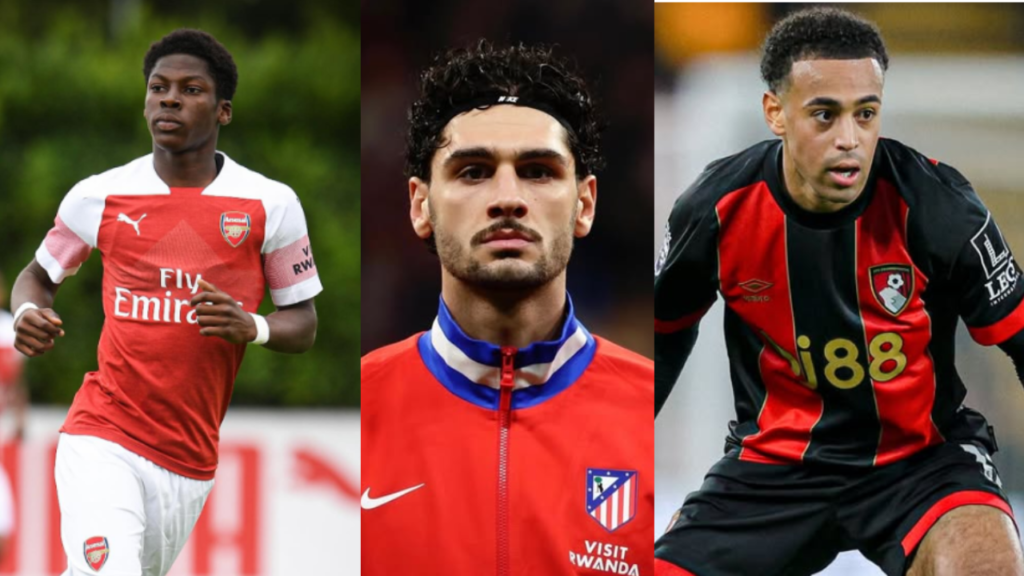
While the bulk of the squad have played in one of Europe’s biggest leagues, fewer will have experienced the pressure of white-knuckle World Cup knockout matches. The emotional high of playing at home may be a huge boon or an albatross to carry. Christian Pulisic and midfielders like Yunus Musah, Tyler Adams, or Johnny Cardoso have a significant role in determining the united state path in the 2026 World Cup. Their Shots might influence the journey more then their performance against Jamaica National Team. In another instance, Andres Perea switched his international allegiance to Colombia after playing just one friendly match for the USMNT in 2021. Now, he represents Colombia at the senior level.




Leave a Reply