

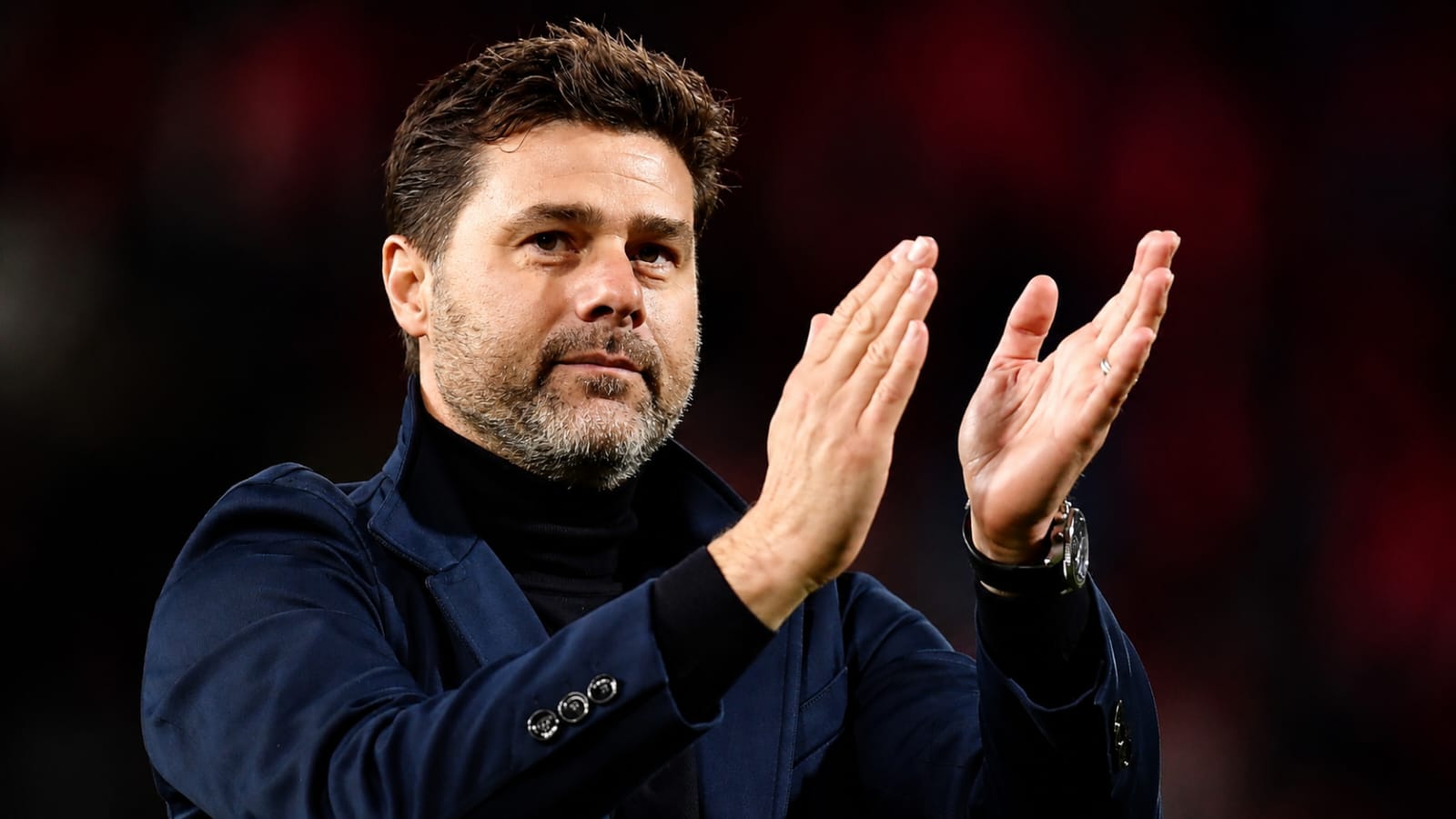
Mauricio Pochettino arrived and that translated to a visible culture change within the United States men’s national team. One of those that impressed me a lot was Morris, who just talked about the mood change in the locker room when the Argentine strode in before 2026 World Cup cycle. Some players have echoed similar sentiments at the prospect of higher standards, increased competition for places and a more rigorous day-to-day environment. New demands were put in place by the coaching staff that kept each player on track during both practices and matches. As the 2026 FIFA World Cup looms, the USMNT is working once again under Pochettino, and trying to build a system of accountability, discipline and tactical sobriety.
A New Standard Inside Camp
Pochettino earlier spoke to senior players around the national team and made it plain that nothing was guaranteed in terms of position. Training sessions became more competitive and proving your worth daily had become the expectation for every player. Aidan Morris camp changed once the new coaching staff got here. Officials also told the players straight away What they’re doing in club football and national team training over the years leading up to 2026 would have an impact on selection. The vibe was said to have grown sharper and stricter. The focus on maintaining the highest levels of intensity possible throughout each drill, as well fueled stronger internal competition throughout the squad.
Players Respond to Increased Competition
Several USMNT players have publicly discussed the intensity introduced by Pochettino. Midfielder Tyler Adams explained that the coaching staff created an environment where “no one is safe,” reinforcing the importance of consistent performances. That message appears to have influenced players like Morris, who continued fighting for opportunities despite fierce competition in midfield. The coaching staff evaluated players carefully across camps leading into the 2026 World Cup preparations.
Reports about national team camps have also indicated a more direct, clearer approach to meetings and extra focus on player mentality. Pochettino had a wide range of assistant coaches but placed an unusual focus on personal accountability and responsibility throughout the squad. Measures have described their training with the Argentine manager as demanding both mentally and physically. The sessions focused more on intensity than any previous camps, according to even seasoned internationals.
Tactical Identity Before the 2026 World Cup
It has not just been a mentality thing with Pochettino. The coaching staff also introduced tactical flexibility while testing various formations in preparation for the 2026 FIFA World Cup set to be hosted by the United States, Canada and Mexico. Observers in the wake of some international contests pointed to change-ups including high pressing, organized defending, and faster transitions. The coaching got players to adapt into different roles according to match situations.
Unlike some of the other midfielders, versatility made a difference for others like Aidan Morris. Defensive involvement, maintaining personnel counting during the phase of possession or not when threatened and playing at your level in pressurised conditions were prerequisites for players. As the start of the World Cup drew closer, jockeying for roster spots became that much more heated. Though the final squads themselves were many-inning marathons just to narrow down from so much great talent, established players are missing out on their spots in line despite solid histories at clubs.
Building Toward a Defining Tournament

The USMNT stepped off the plane in 2026 loaded, as all World Cup hosts must be, with swords of expectation hanging over them. Internally, Pochettino was viewed as a force to break through previous ceilings and create a more potent competitive identity. Aidan Morris’ comments reflected how players recognized the difference immediately after the managerial transition. The environment became more serious, more competitive and more focused on long-term improvement across the roster. Pochettino’s demanding method may or may not work, but it’s absolutely changed the culture around a national team on the cusp of what could be the most important World Cup cycle in US soccer history. Despite the tight schedule, players realize the consistent tone under its coaching staff levels of intensity have to remain high.






Leave a Reply