

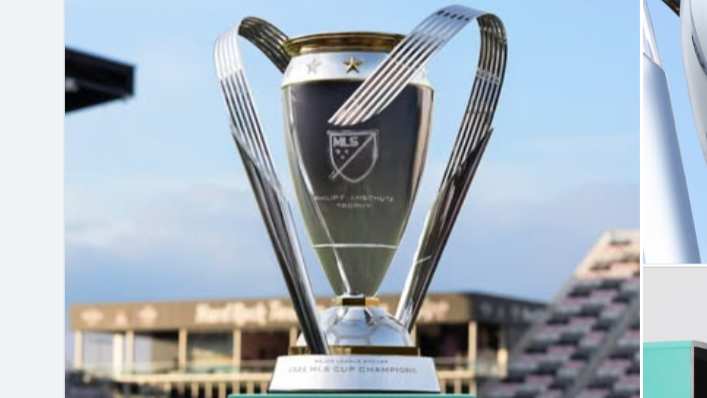
While the World Cup is playing, MLS is suspended from May 25 to July 16, 2026, and the implications on clubs, fans, and potential players are not something that is often discussed.
Major League Soccer will take a break from the 2026 regular season from May 25 through July 16, with the seven-week break coinciding with the 2026 FIFA World Cup taking place in the United States, Canada, and Mexico. Both the break and its implications for clubs, supporters, and anyone hoping to play in this year’s World Cup are significant in the history of MLS.
The Schedule and Scope
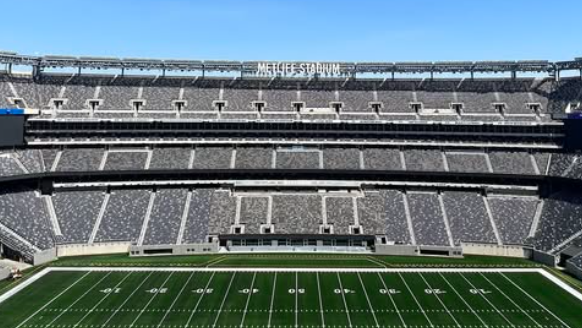
The 2026 season of the MLS started on Feb. 21 with each team playing 34 games and ended on Nov. 7. The World Cup break will add up 52 days to the calendar, with the tournament kicking off on the day after the action on May 24, before resuming on July 16 and 17 with six marquee rivalry games. The Cascadia matchup between Seattle Sounders FC and Portland Timbers returns to Seattle as a home match, as will the Canadian derby between CF Montréal and Toronto FC, plus El Tráfico between LA Galaxy and LAFC. The World Cup is in session from June 11 to July 19, so MLS kicks off three days earlier at MetLife Stadium.
This break is longer than all previous World Cup breaks. In the year 2014, MLS missed about 2 weeks, nine days in 2018, and there was no year in 2022 that MLS covered the Qatar tournament. The extended 2026 break is due to the tournament expanding to 48 teams and the record number of MLS players to receive international call-ups.
Affects clubs/competitive balance?Has an impact on clubs/competitive balance?
With the break comes a challenge for front offices: keeping players fit during a long summer off while having to deal with the absence of World Cup players. In MLS, the roster and transfer system have been changed. The Primary Transfer Window, which was previously from January 26 to March 26, has been extended to cover this period, whilst the Secondary Transfer Window has been extended to July 13 through to September 2, so that clubs can strengthen squads as soon as they resume play. The league is also dropping restrictions on Cash-for-Player trades and taking away caps on intraleague loans, too, giving sporting directors more flexibility in making up for international absences.
Competitive impact will be different on each club. If teams like Inter Miami CF, LAFC, and FC Cincinnati have a lot of international players, they may lose more than one player to national team duty. On the other hand, clubs with fewer World Cup players could find it advantageous to have a mini-pre-season to allow them to fine-tune their strategy and introduce new players in the Secondary Transfer Window.
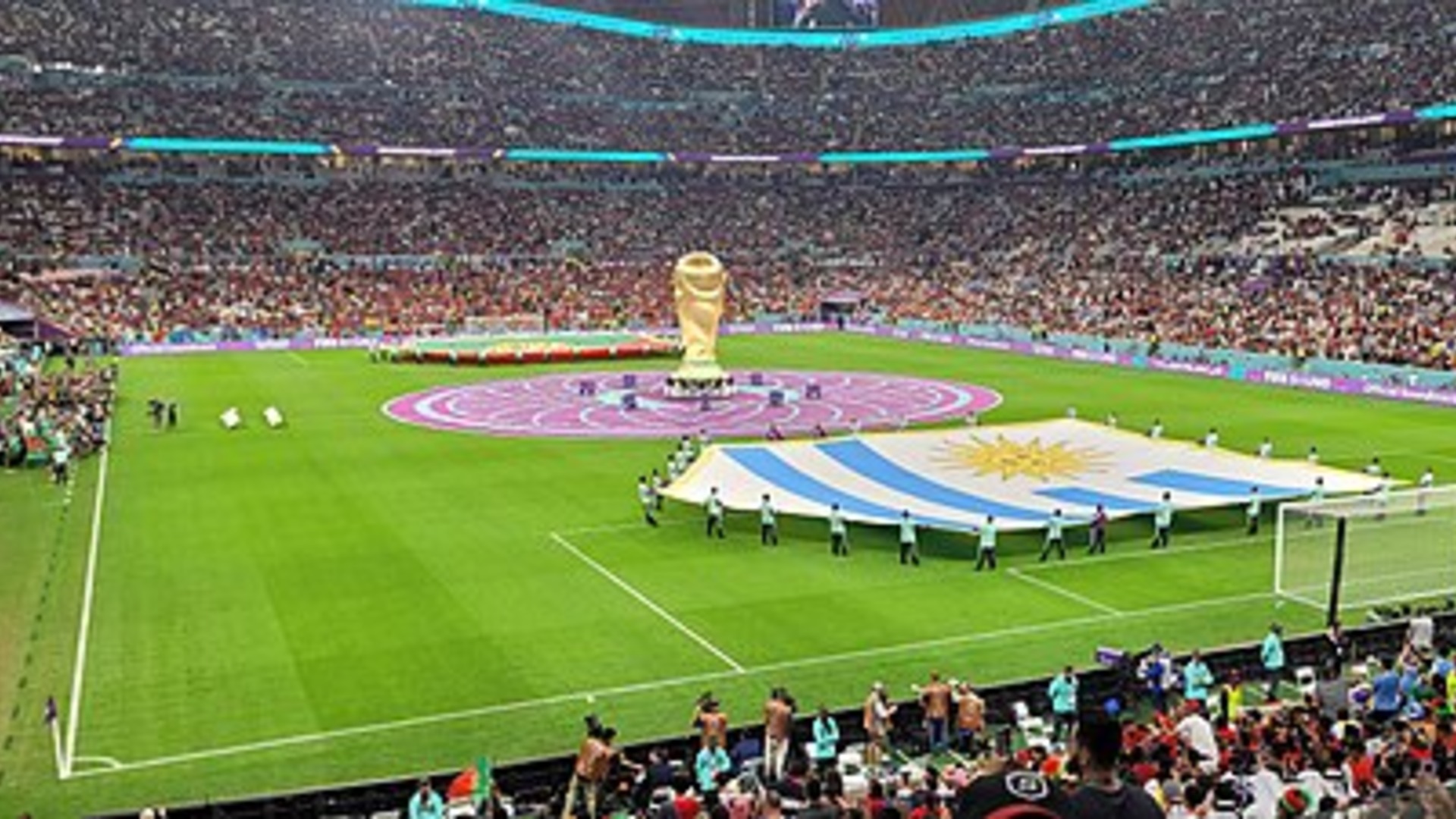
During the break, five MLS stadiums will be hosting World Cup games, among them Atlanta, Seattle, and Vancouver. In the meantime, it will be up to host clubs to oversee the stadium, pitch, and scheduling aspects of their league campaign.
The Fan Experience
The break allows supporters to fill the void in non-World Cup markets. The break leaves room for supporters in markets away from World Cup games. The All-Star Game will be in Charlotte on July 29, as a post-break main event, while the Skills Challenge will take place on July 28. The league has an Apple TV broadcast deal – all 510 regular-season games are available without blackouts, but no domestic league action will be streaming from late May through mid-July.
Also, the timing squeezes the playoff window. November 7 marks Decision Day, followed by the November FIFA international window and playoffs starting on November 18 and continuing through December 18. This abbreviated postseason gets rid of the three-week hiatus between the first round and the conference semifinals, which was present in the old format.
Team Roster Contenders and International Duty.

There is a large, geographically spread pool of players going to World Cup camps. Over 150 players from the MLS have been identified by MLSsoccer.com as having appeared in either the March 2026 international window or the final tournament, and dozens of them are likely to fall into that category. Inter Miami’s Lionel Messi and Rodrigo De Paul will be the Argentines. South Korea’s Son Heung-min is a major consideration for LAFC, and the Colombian James Rodríguez is a major consideration for Minnesota United.
This is also a strong presence in North America. FC Cincinnati defender Miles Robinson is a proven USMNT player. Toronto FC midfielder Jonathan Osorio is a veteran of the Canadian Men’s National Team. Chicago Fire FC’s Joel Waterman and Vancouver Whitecaps’ Ryan Gauld are in contention for Canada and Scotland, respectively. San Diego FC’s Hirving Lozano and Inter Miami’s Germán Berterame could both be on Mexico’s list.
The break is scheduled with FIFA’s player reporting deadline of May 25, allowing teams to leave players. Bubble players need to be competitive in the opening months of the MLS season, or else they risk being shortlisted for the national team’s management. Bubble players are competing against a sense of urgency for the early games in the MLS season, which is a direct audition to the national team selectors.
Looking Ahead
While changing to a fall-to-spring schedule to align with the global game is a long-standing debate among MLS fans and executives, the league has made no official announcement of this transition for 2027. The May-July blackout is an initial test of the league’s integration and a logistical challenge for MLS, at least for now, as the sport’s biggest stars take over the sport’s biggest pitch while MLS readies itself to bring the world home to the domestic club grounds on July 16.









Leave a Reply