

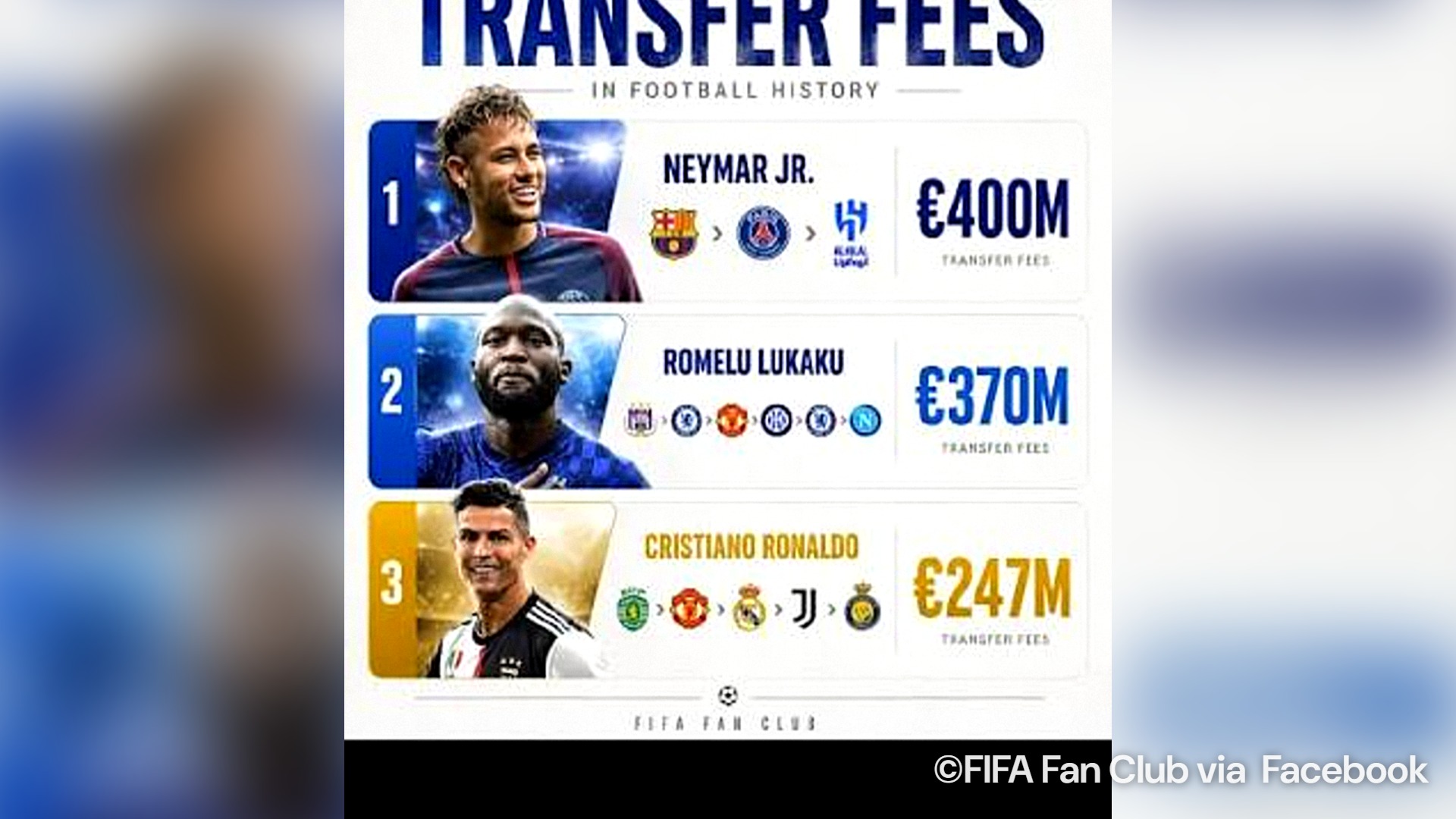
There was a time when a multi-million dollar football deal made front-page news worldwide. Fast forward to today, and nine-figure, eye-watering numbers are thrown around over summer deadlines like loose change. Football transfers are becoming a highly unrealistic market these days, turning the beautiful game into an ultra-luxury market. But how did we come to this situation, and who is the ruler of this ridiculous mountain of money?
The Untouchable Benchmark
In the summer of 2017, the French giants shook the football world by paying the eye-watering €222m to break Barcelona’s contract with Neymar. Barca believed that he could not be stolen given the box office price tag, but PSG seemed to have no qualms about throwing around the petrodollar. Almost a decade later, that mind-boggling transaction remains the undisputed standard for financial craziness in football, standing comfortably alone at the very top of history.
Domino Effect and the Premier League Surge
Barcelona’s fortune turned for the worse; they went on a desperate search and were forced to hand over huge wages to sign talents such as Ousmane Dembele or Philippe Coutinho to replace their icon. It was the one thing that forever changed the baseline valuation of elite talent across Europe. Soon, Premier League giants joined the arms race and began to drive prices even higher with big signings such as Enzo Fernández to Chelsea, Alexander Isak to Liverpool, and big homegrown blockbusters such as Declan Rice and Jack Grealish.
Are These Huge Fees Actually Worth It?

For every superstar that earns that big of a fee because he takes the club to the top of the world, there’s a remarkable transfer deal gone wrong that haunts the club for generations. Playing with huge amounts of money means that the player is under a tremendous amount of pressure, and if they make a couple of wrong decisions, a dream move can become a nightmare. The bottom line is that these astronomical transfer costs aren’t just about the value of the players themselves and are much more about financial muscle, worldwide marketing, and the constant drive for trophies.












Leave a Reply