

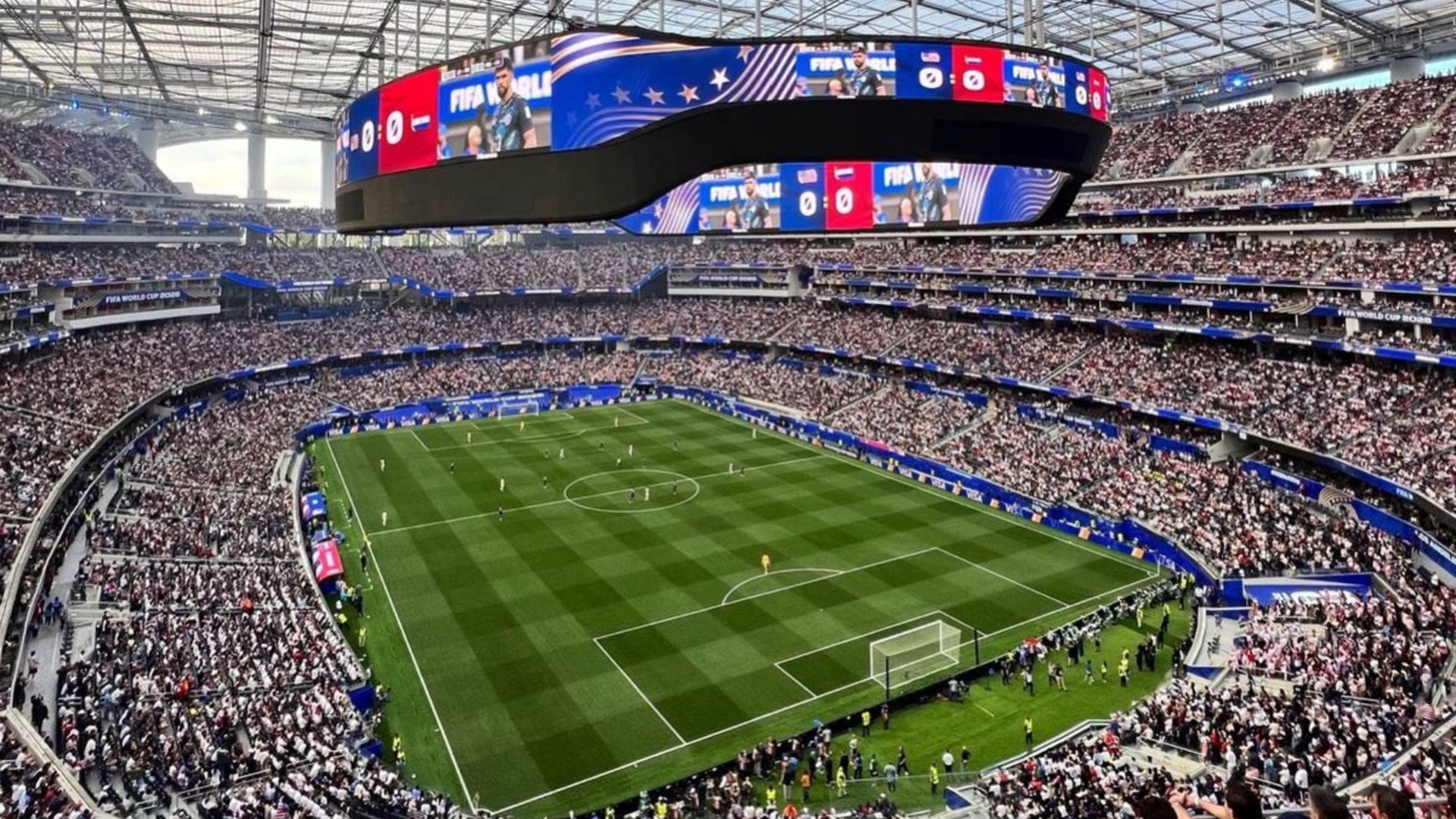
People may find it interesting to learn that World Cup stadiums serve purposes beyond just football viewing. Beneath the spectator areas and the playing field lie intricate designs for accessibility technology, playing surfaces, and game management. For the 2026 event, specific enhancements helped unify sixteen distinct locations into a unified World Cup experience for both athletes and attendees.
1. Pitches Had Strict Standards
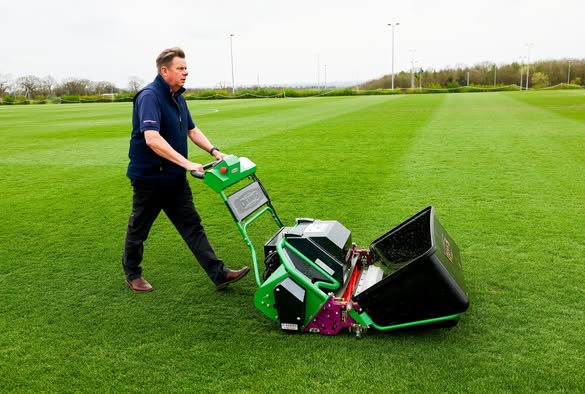
Each World Cup field adhered to FIFA standards regarding its size, grass health, water management, and game day conditions. Groundskeepers also ensured consistent playing surfaces despite significant climate variations across host cities.
2. Some Seats Had to Move
Some World Cup stadiums typically host American football games, which use a different field arrangement. Seating layouts were modified in certain sites to accommodate the broader dimensions necessary for international football.
3. Every Stadium Had a Sensory Room
Every one of the sixteen World Cup stadiums offered sensory rooms for spectators who prefer a less stimulating setting. These areas utilized subdued lighting, reduced sound, and sensory tools to deliver a more peaceful experience on game days.
4. Fans Could Feel the Action
Certain venues implemented tactile technology enabling fans with visual impairments to engage with crucial game moments uniquely. This innovation converted aspects of the match into physical feelings for attendees to perceive.
5. Natural Grass Was Installed
A number of locations regularly use synthetic playing surfaces due to their typical event calendars. For the World Cup, natural grass was installed where needed to ensure playing conditions met tournament expectations.
6. Stadiums Used Special Pitch Lighting
Modern pitch-management systems help maintain excellent grass quality in places where natural light was restricted. Specialized lighting technology promoted grass growth and restoration throughout the rigorous tournament schedule.
7. Accessibility Was Built Into the Design
Consideration for accessibility was integrated across all tournament sites from designated seating sections to sensory amenities and other helpful provisions. The objective was to make the stadium visit more pleasant and reachable for a broader spectrum of fans.
Source: FIFA — World Cup 2026 stadium and tournament operations













Leave a Reply