

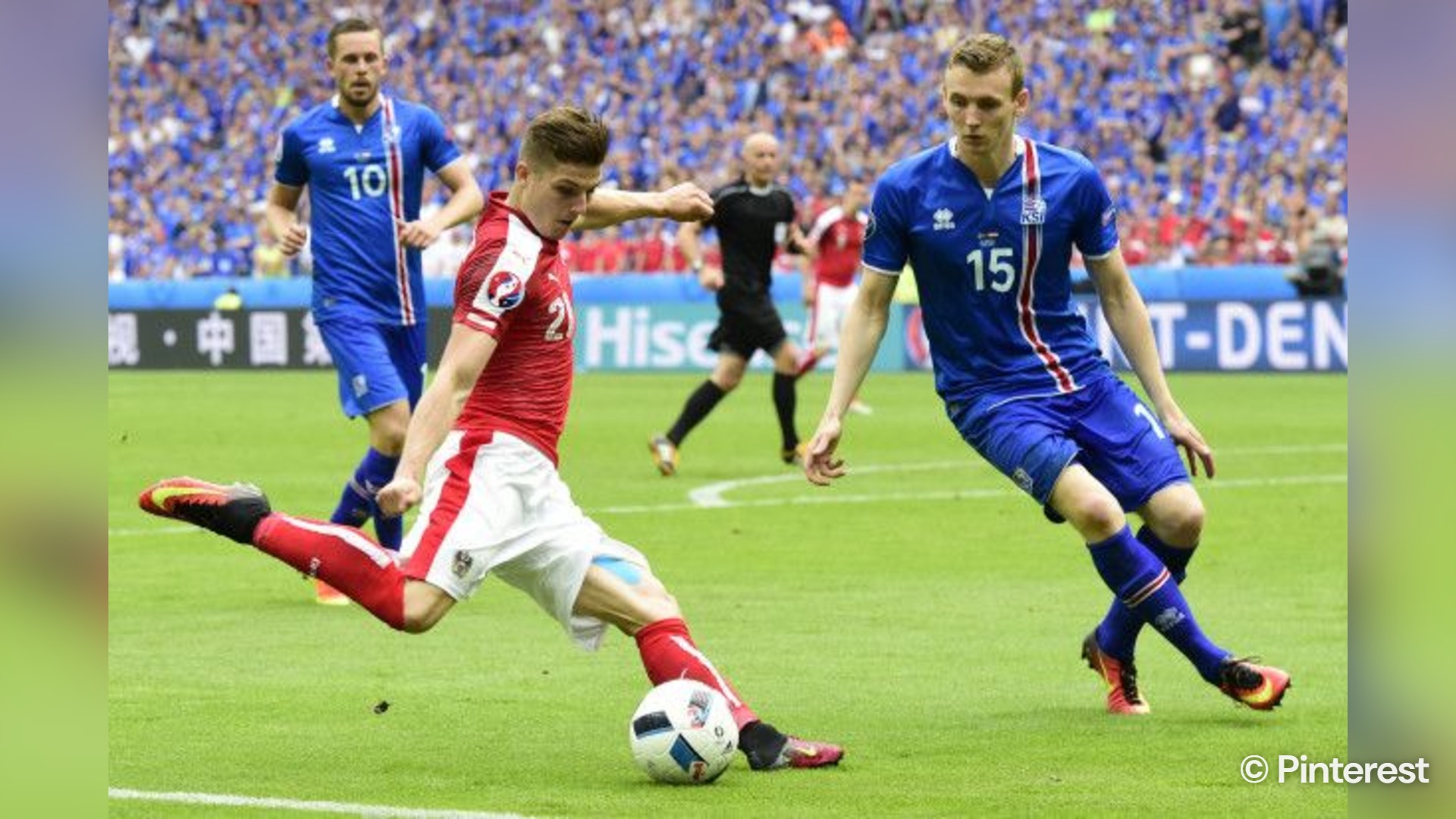
Football seasons seldom unfold as they’re supposed to during preseason. Teams can be forced to alter their ways and strategies due to injuries, changes in staff, round robin scheduling, suspensions and a whole host of unexpected things. Being able to adjust, in many ways, can be the crux of the difficult campaign.
If key players are missing, a change of formation or unfamiliar positions for key players may occur. In the past, for instance, Manchester City have alternated their defensive formations when they had problems at centre-backs. Teams may stick to a strategy but adapt to fit situations where they are missing some players.
Another big change might involve changes in management. A new coach can use other formations, pressing tactics, training methods or roles of players. League Premier analysis has revealed that managing teams to play in a variety of shapes has become more commonplace throughout a season and not a set pattern. This adaptability may assist teams adjust to various rivals and altering conditions.
However, rotation also is in consideration when teams have difficult schedules. Clubs may be playing in a domestic league and the odd table during Europeans within a short time frame. Rotate players around between the various games to reduce workload for the players; however, it may be normal to have some players who don’t know each other if they rotate too often. Part of the reason why clubs are increasingly distributing the playing time over greater numbers of players is identified by UEFA research and analysis of competition.
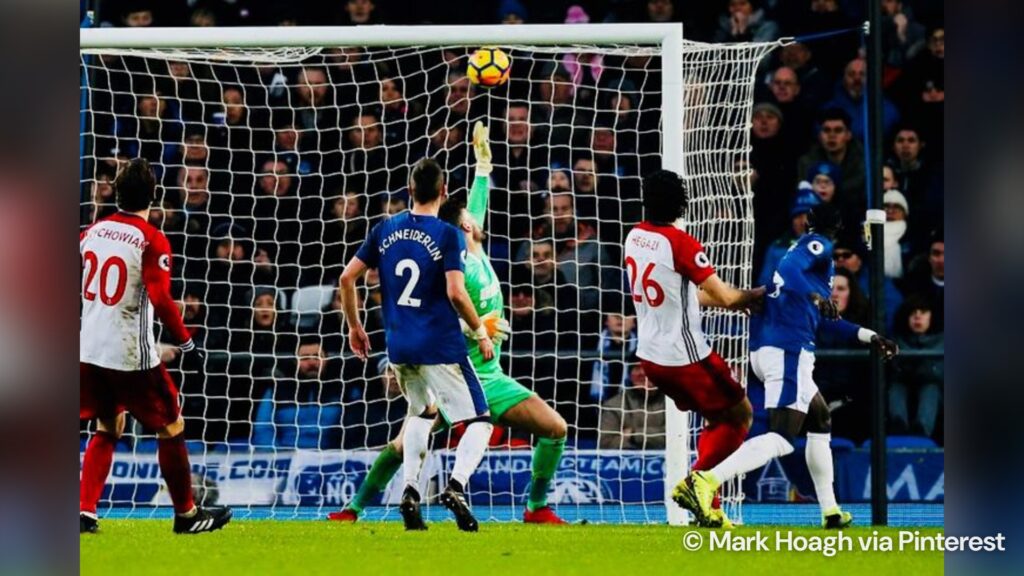
Things can go wrong and cause unexpected situations that result in tactical opportunity. Players could be utilised as a midfielder if they are required and a full-back in midfield. A case in point is the evolution of John Stones’ playing role at Manchester City where team versatility is having a tangible impact on the approach to their game.
In the end, football is a back-and-forth sport. Sometimes the solution in successful adaptation is to preserve a team’s identity. Rather, it’s about identifying viable options for maintaining the essence you’re looking for without changing the personalities or the training, the workload or the match plan. Throughout a long season, such responsiveness can affect how a team plays under pressure and as they face uncertainty.









Leave a Reply