

Being a finalist for a European-edition cup competition is one of the top prizes for a domestic football club. IMPORTANT: Sitting at the bottom of the table doesn’t guarantee that every club plays in a European tier. UEFA ranking, league position and in certain cases domestic cup competitions result in qualification for the UEFA Champions League, Europa League and the Conference League.
Basic guideline: the 1st team in their domestic league would have the best shots for Europe. The allocation of places depends, amongst other things, on the UEFA’s association coefficient which is determined from the results of the country’s football teams over European competitions during a five-year period. Associations with higher rankings have a greater chance of being promoted and can be promoted to reach different levels of clubs later.
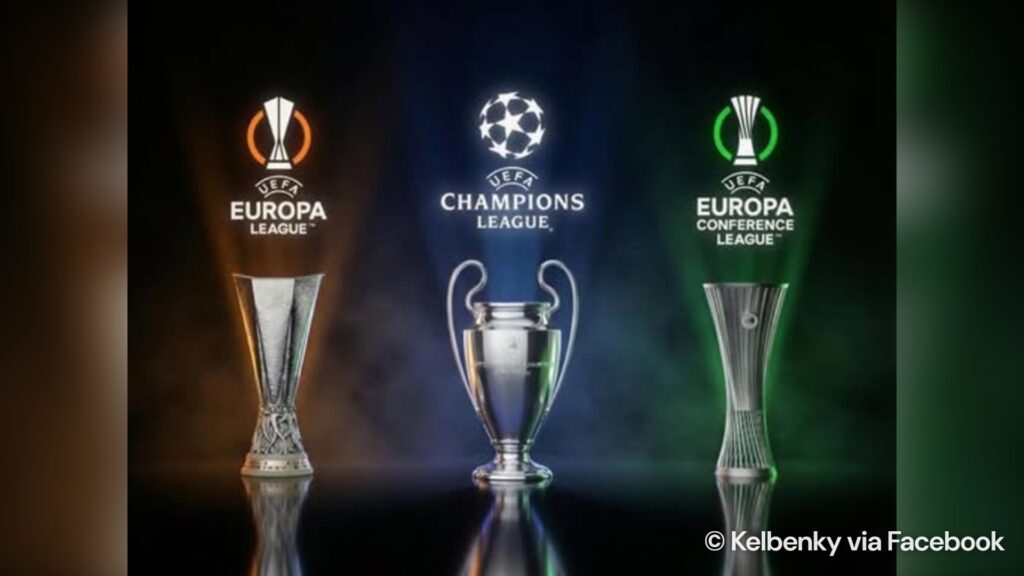
In the 2026/27 Champions League system, for instance, for the domestic association, domestic champions, domestic runners-up, third and fourth placed teams qualify for a place based on those three places. Some clubs advance directly to the league stage, others will need to play in qualifying rounds. UEFA qualifying runs in the following stages: Champions Path & League Path (for the teams coming up from the higher ranked leagues).
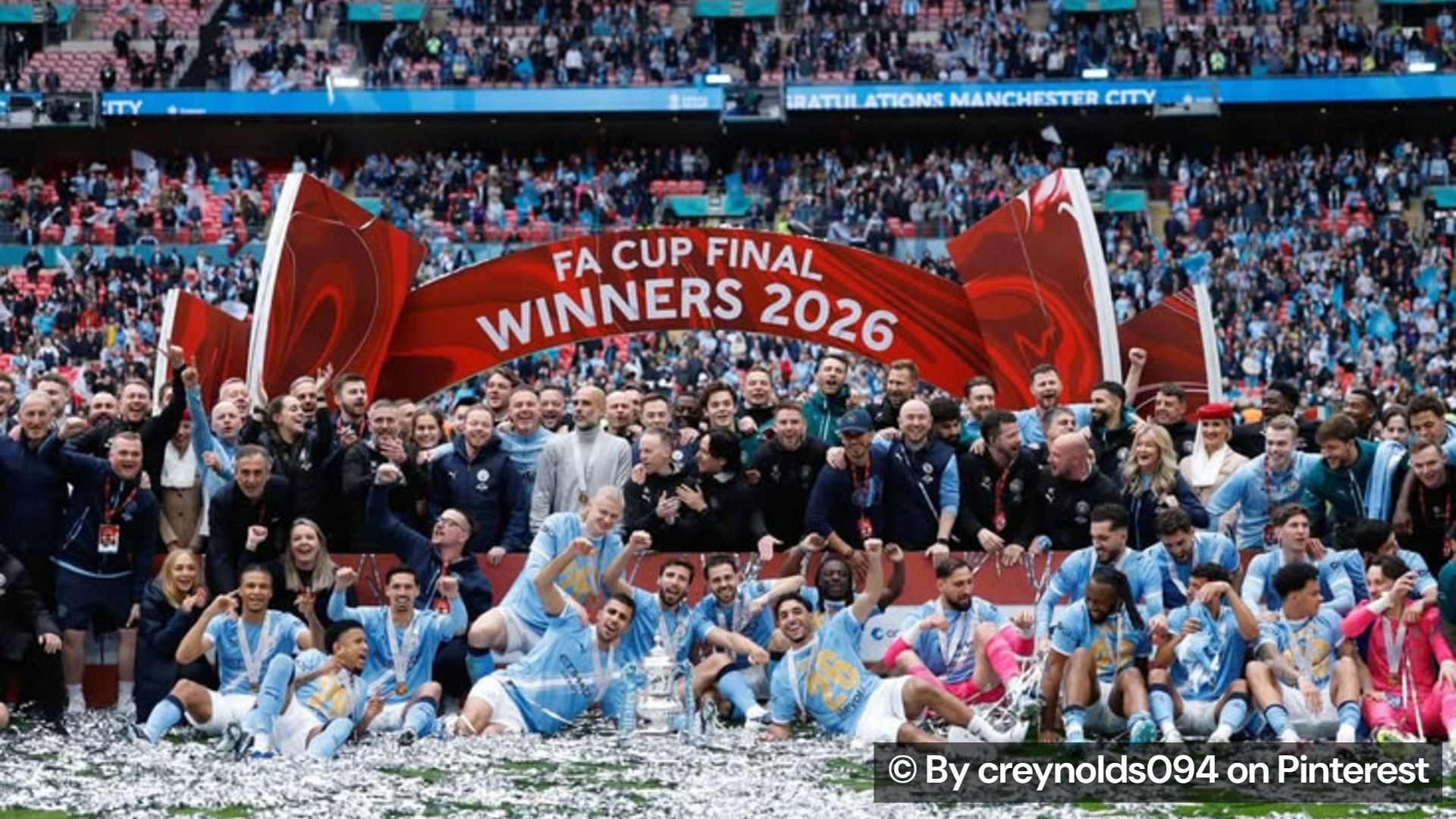
The domestic cups are also very important. A winner of a national cup can win a place in Europa League. If the winning cup is already taken hold by the other club which occupies the home team position in the league, then UEFA’s access rules allocate the highest available spot by the other (eligible) club.
Special routes are also available. If a club wins the Champions League or Europa League then they will secure a spot in the Champions League league stage (UCL) or Europa League (UEL) the following season, regardless of their domestic standings.
Lots of things to consider, so qualifying for Europe isn’t easy when it comes to finishing 4th or 5th. It is based on league standings, domestic cups, UEFA coefficients and title rules and so the final weeks of a domestic season are important for clubs aiming to play in Europe.









Leave a Reply